Choosing among the 10 best plastic injection manufacturing companies takes more than comparing hourly rates. A low quote can hide costly tooling revisions, unclear ownership terms, or limited production capacity. Buyers should examine each supplier’s mold-design experience, material knowledge, quality controls, and communication habits. Ask for examples of similar parts. Request details about tolerances, inspection methods, and expected lead times.
John Bozzelli, an injection-molding specialist known for scientific molding, emphasizes process control. A fair paraphrase of his guidance is: “Repeatability begins with a controlled process.” That principle matters when a small change in resin moisture, mold temperature, or cooling time can affect a part’s fit. Look for suppliers who explain how they monitor these variables, not merely promise consistent results. Details matter.
This guide compares manufacturers through practical buyer considerations, including capabilities, industry experience, tooling support, and responsiveness. A polished website is not proof of dependable production. Neither is the lowest price. Ask how a company handles sample approval, engineering changes, and unexpected defects. Review its answers carefully. Some details may remain uncertain until a project begins; acknowledge that. The right partner should discuss risks plainly and support decisions with evidence, such as inspection records or relevant case studies. Use this shortlist as a starting point, then verify each company against your part, volume, budget, and delivery needs.
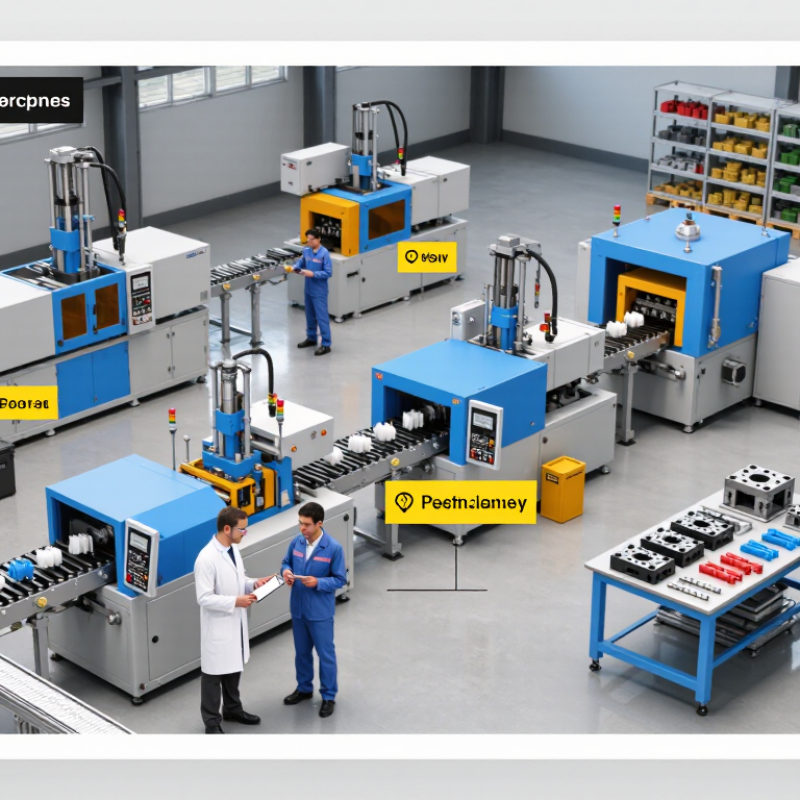
When evaluating plastic injection manufacturing companies, compare process control, not just quoted unit price. PlasticsEurope’s Plastics—The Fast Facts 2024 reports 413.8 million tonnes of plastics produced worldwide in 2023, across all processes. The OECD’s Global Plastics Outlook reports production reached 460 million tonnes in 2019, up from 234 million tonnes in 2000. These figures show the scale of the plastics sector, but they do not prove any supplier’s capability.
Ask for evidence tied to your part: material certificates, first-article inspection results, cavity-to-cavity measurements, and documented change control. Check whether the supplier can explain its mold maintenance plan and show how it tracks scrap and cycle-time variation. ISO 20457 provides dimensional tolerance guidance for molded plastics; tolerances should still match the part’s function and material. A polished sample can hide unstable production. No scorecard is perfect.
Tip: Send the same drawing, resin specification, and annual volume to each candidate. Compare assumptions, tooling scope, inspection frequency, and quoted lead time—not only the final price. If a key measurement lacks evidence, ask for a repeat run. It takes time. Worth asking.
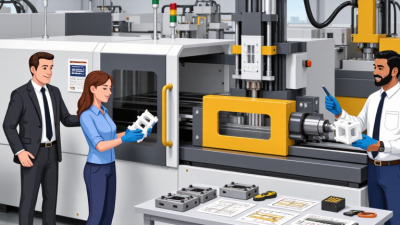
Buyers comparing plastic injection manufacturing companies should examine more than the quoted part price. Ask whether engineers review wall thickness, draft angles, gate locations, and likely sink marks before tooling begins. A useful design-for-manufacturing review should identify trade-offs in writing, not simply promise that a part is producible. Request sample inspection results and learn how dimensions are checked across a production run. One polished sample is not proof of stable output.
Compare material knowledge, machine capacity, and mold-care practices. The supplier should explain why a resin suits the part’s heat, impact, or appearance needs, and how material batches are tracked. Check that available machines match the required shot size and clamping force. Ask about mold cleaning, wear checks, and replacement parts. These details affect consistency and lead time. Clear answers matter. Still, no process is flawless; a detailed report can miss a production wrinkle, so verify important claims with sample parts and follow-up questions.
Tips: Send a drawing with critical dimensions marked. Ask for a first-article report, a realistic production schedule, and the process used to handle rejected parts. Compare response quality, not just response speed. If a tolerance seems unusually tight, ask what it costs to maintain it. A small flaw here: buyers sometimes focus on the mold quote and overlook inspection or maintenance fees. Check the full cost before choosing a partner.
These ten manufacturer profiles represent different capabilities buyers may encounter when comparing plastic injection suppliers. One focuses on high-volume production, where automated presses and documented cycle times help control output. Another specializes in tight-tolerance components, using inspection reports to track critical dimensions. A third serves product teams that need design feedback before tooling begins. Ask to review sample parts.
A fourth profile emphasizes rapid prototyping, with short runs that reveal fit or surface issues early. A fifth handles insert molding, placing metal components into a mold before plastic is injected. A sixth offers multi-cavity tooling for repeat orders. A seventh supports varied resins and can explain how material choice affects shrinkage. An eighth coordinates mold construction and production under one roof. A ninth specializes in cosmetic parts, where gate marks and color consistency matter. The tenth may suit smaller buyers, offering flexible order quantities and closer production communication.
The strongest fit depends on the part, not a ranking alone. Request a first-article sample, tooling details, and a realistic lead-time estimate. Check how rejects are recorded and how mold wear is handled. A polished brochure proves little. Even experienced suppliers can miss a requirement when drawings are unclear, so confirm tolerances and inspection methods in writing. A small trial order can expose problems that a sales call cannot.
How to read this table: Company names and brands are intentionally omitted. The entries are anonymized supplier archetypes, not verified profiles or a ranked list of specific companies. Capabilities vary by facility; confirm all specifications, certifications, and production capacity directly with a supplier.
| Profile | Typical buyer fit | Common production focus | Materials often considered | What buyers should verify |
|---|---|---|---|---|
| 1. High-volume production specialist | Established products with stable designs and forecastable demand | Repeat production, cycle-time improvement, and production planning | Common thermoplastics such as polypropylene, polyethylene, ABS, and polycarbonate, subject to part requirements | Available machine capacity, validated cycle time, quality controls, and capacity commitments for peak demand |
| 2. Prototype and pilot-run supplier | Product teams validating designs before committing to larger tooling or production runs | Prototype parts, design iterations, and small pilot batches | Material choices depend on the required appearance, mechanical properties, and intended test conditions | Whether prototypes use production-intent materials and processes; tooling ownership and revision costs |
| 3. Precision-component molder | Parts with tight fit, functional interfaces, or demanding dimensional requirements | Process control, dimensional inspection, and mold maintenance | Engineering thermoplastics may be considered where the application requires specific strength, heat, or chemical performance | Part-specific tolerance capability, measurement methods, inspection records, and control of shrinkage and warpage |
| 4. Medical-device-focused supplier | Medical or healthcare applications with documented quality and traceability needs | Controlled manufacturing, documentation, and production traceability where required by the project | Application-approved polymers selected against applicable device, sterilization, and regulatory requirements | Current certification scope, cleanroom requirements if applicable, material documentation, change control, and customer-specific regulatory obligations |
| 5. Automotive-focused supplier | Automotive programs requiring repeatable production and industry-specific quality systems | Production parts, program launch support, and supplier quality documentation | Automotive-grade material selections depend on component function and applicable specifications | Current quality-system certification and scope, customer approvals, traceability, testing, and program-specific requirements |
| 6. Insert and overmolding specialist | Parts combining plastic with metal inserts or multiple molded materials | Insert molding, overmolding, and management of part-to-part interfaces | Compatible material combinations must be selected for adhesion, temperature, and intended use | Insert placement, bond or retention performance, process repeatability, and validation of material compatibility |
| 7. Complex-tooling and multi-cavity supplier | Parts suited to higher-output tooling or designs with complex mold requirements | Multi-cavity molds, mold-flow considerations, and tooling maintenance | Material selection is application-specific and can affect mold design, shrinkage, and processing conditions | Tool design review, cavity-to-cavity consistency, maintenance plan, expected tool life, and responsibility for repairs |
| 8. Consumer-product and appearance-part supplier | Consumer goods where surface finish, color, and visible defects matter | Cosmetic parts, color matching, texturing, and assembly-ready components | Common choices include ABS, polypropylene, and other thermoplastics selected for appearance and function | Approved appearance standards, color tolerances, surface samples, defect limits, and production inspection procedures |
| 9. Recycled-materials-capable supplier | Projects assessing recycled or reprocessed resin options | Material trials and production planning for specified recycled-content requirements | Recycled thermoplastics may be available for some applications; suitability depends on grade, consistency, and performance needs | Material source and grade, recycled-content evidence, lot-to-lot consistency, testing data, and any performance trade-offs |
| 10. Full-service molding and assembly supplier | Buyers seeking molded parts with secondary operations or final assembly coordination | Molding combined with services such as trimming, decorating, component assembly, or packaging where offered | Resin and any secondary materials are selected according to the part design and end-use requirements | Which operations are performed in-house, subcontractor controls, assembly quality checks, packaging standards, and total landed cost |
Buyer tip: Compare suppliers using the same part drawing, annual volume estimate, material specification, quality requirements, and delivery assumptions. Request evidence for relevant capabilities rather than relying on general claims.
Comparing plastic injection manufacturing companies means looking beyond machine count. Grand View Research estimated the global injection-molded plastics market at USD 360.5 billion in 2022, with a projected 4.8% annual growth rate from 2023 to 2030. That market-wide figure signals demand, not supplier quality.
Plastics Europe reported global plastics production of 413.8 million tonnes in 2023. The scale is striking. Yet a large output number cannot tell buyers whether a factory can hold a tight tolerance on a small connector or deliver consistent color across a long production run.
Supplier strengths often follow their target markets. Automotive programs may need high-volume presses, durable resins, and dependable tooling maintenance. Medical and electronics projects may place greater weight on traceability, clean production areas, and careful inspection. Buyers should compare services too: mold design, prototyping, material selection, secondary assembly, and packaging can affect both lead time and total cost. Ask for sample inspection records and a clear explanation of how defects are handled. No scorecard is perfect. A supplier may look strong on paper, while communication during a tooling change feels slow; that detail deserves attention before signing off on production.
Choosing an injection molding partner starts with the part, not the sales pitch. Share drawings, annual volume, resin requirements, and critical dimensions before comparing quotes. Ask how the supplier checks mold design, drying conditions, and process settings. These details affect strength, appearance, and repeatability. A low unit price can hide tooling changes or inspection costs. Request an itemized estimate.
Review relevant production experience and ask for examples of similar part geometry or materials. Then discuss tolerances, inspection methods, and how defects are recorded. A capable team should explain its limits clearly, not promise perfection. Visit the facility if practical. Look at material storage, machine maintenance, and finished-part handling. A polished tour does not prove consistent output, though. Ask to review sample inspection records and clarify who approves changes to the mold or process.
Tips: Start with a small pilot run. Measure parts at several points, including after cooling and conditioning. Confirm packaging protects edges and cosmetic surfaces. Set expectations for response times and corrective actions in writing. Notice how the team handles awkward questions. It may feel tedious. That conversation can reveal gaps before they affect delivery. No checklist catches everything, so keep a little room for learning during the first production cycle.
Copyright © 2025 The Toolroom Inc. All Rights Reserved.
Website Design St Louis by IQComputing