Blog

2026 Top Plastic Injection Molding Manufacturers?

Choosing the 2026 top plastic injection molding manufacturers requires more than comparing factory size or online visibility. A reliable review must examine engineering capability, mold quality, production consistency, and customer support. It should also consider material expertise, automation, inspection systems, and documented quality procedures.

John Bozzelli, a respected injection molding consultant, has often emphasized, “You cannot make a good part from a bad mold.” That principle remains practical in 2026. A polished sample may look impressive under bright lights, yet hidden flash, uneven walls, or weak weld lines can appear after repeated use. Real evaluation begins with the mold design, resin selection, machine control, and process records.

Details matter. Can the manufacturer provide dimensional reports? Does it test parts at production speed? Are engineers available during design changes? These questions separate a dependable partner from a low-cost supplier with attractive promises. Certifications can support credibility, but certificates alone do not prove daily performance.

This guide will compare leading manufacturers through a practical, evidence-based lens. It will review industry experience, technical resources, tooling capability, delivery reliability, and communication quality. Rankings may still have limits. Regional strengths, product complexity, and order volume can change the result.

That is worth remembering.

The best manufacturer for medical housings may not suit automotive clips or consumer packaging. Buyers should verify claims, request samples, and inspect relevant case studies before signing a production agreement. In plastic injection, dependable results come from repeatable systems, transparent communication, and disciplined engineering—not from impressive labels alone.
2026 Top Plastic Injection Molding Manufacturers?

What Defines a Top Plastic Injection Molding Manufacturer in 2026

In 2026, a top plastic injection molding manufacturer is defined by repeatable results, not impressive equipment alone. Experienced teams understand how resin moisture, mold temperature, cooling time, and clamp force affect every part. Experience matters. They review product designs before cutting steel. This prevents avoidable sink marks, warpage, flash, and costly revisions. Good advice sometimes means challenging a customer’s original design.

Technical credibility appears in daily evidence. Engineers use mold-flow analysis, documented trials, cavity-pressure data, and controlled measurement plans. Operators record drying conditions and cycle changes beside the machine. Quality staff verify critical dimensions with calibrated gauges or CMM equipment. Traceability should reach the material lot, machine setting, operator, and inspection result. Certifications can support trust, but they cannot replace practical competence. A clean certificate cannot rescue poor process control.

Reliability also depends on communication. A strong manufacturer shares realistic tooling dates, flags capacity risks, and explains corrective actions with photos and data. It protects confidential designs and follows applicable safety and environmental requirements. Sustainable practice matters too, including efficient cooling, reduced scrap, and responsible material selection. Problems still happen. The better partner admits a missed target, investigates the cause, and changes the process. That honest response often reveals more than a polished sales presentation. Customers should assess samples, production records, response time, and problem-solving discipline—not promises alone.

Key Factors for Evaluating Plastic Injection Molding Companies

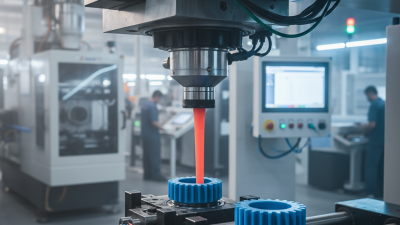
Choosing a plastic injection molding company in 2026 requires more than comparing unit prices. Examine its experience with similar parts, materials, and production volumes. Ask for examples involving thin walls, tight tolerances, or visible surfaces. A capable team should explain mold flow, cooling design, shrinkage, and likely defects in practical terms.

Review the company’s engineering process before signing a purchase order. Request a design-for-manufacturing review, mold trial records, dimensional reports, and cycle-time evidence. Check how operators control resin drying, machine settings, and batch traceability. Reliable manufacturers usually provide clear inspection plans and respond quickly when measurements fall outside tolerance. Certifications can support credibility, but daily process discipline matters more.

Visit the facility if possible. Watch how workers label materials and handle molds. Ask who approves tooling changes and how corrective actions are recorded. A low quotation may exclude maintenance, packaging, or secondary operations. That mistake can become expensive. My own evaluation checklist once focused too heavily on equipment age; it missed communication delays during sampling. Now I score technical answers, reporting quality, delivery history, and risk transparency together. Even a strong supplier may struggle with an unfamiliar resin or complex geometry, so test assumptions with a small pilot run before full production.

2026 Top Plastic Injection Molding Manufacturers? - Key Factors for Evaluating Plastic Injection Molding Companies

Evaluation Dimension What to Verify Relevant Metric or Standard Strong Evidence Common Risk Signal
Quality Management Assess whether quality procedures cover quoting, tooling, production, inspection, nonconformance control, and corrective action. ISO 9001 certification; documented inspection and corrective-action procedures. Current certificate, defined quality plan, traceable inspection records, and measurable defect data. Quality claims without independent certification or documented records.
Material Control Confirm resin identification, lot traceability, drying requirements, recycled-content control, and material change approval. Resin certificate of analysis; lot traceability; supplier-approved material specification. Material certificates linked to production batches and documented drying parameters. Unapproved substitutions, mixed lots, or missing material records.
Machine and Molding Capability Match machine size, clamping force, shot capacity, injection pressure, and process control to the part design and resin. Clamping force in tonnes; shot capacity; repeatability; machine maintenance records. Equipment list, preventive-maintenance history, process capability studies, and validated settings. No machine specifications or reliance on one unsuitable machine range.
Tooling and Mold Engineering Review mold design, steel selection, cooling layout, ejection, gate design, venting, maintenance, and expected mold life. Mold-flow analysis; tool design review; cavity balance; preventive-maintenance schedule. Approved 3D tooling drawings, trial reports, dimensional results, and spare-part planning. Tooling quoted without design review, cooling analysis, or maintenance responsibility.
Dimensional Accuracy Determine whether the supplier can consistently meet drawing tolerances, datum requirements, flatness, warpage, and critical-to-function dimensions. ISO 20457 or customer-defined tolerances; CMM, vision, or calibrated gauge results. First-article inspection report, gauge calibration records, and capability data for critical dimensions. Tolerance promises that are not supported by measurement methods or capability evidence.
Process Stability Evaluate control of temperature, pressure, screw speed, cooling time, fill balance, cycle time, and start-up approval. SPC; Cp/Cpk or Pp/Ppk where applicable; approved process window. Control charts, parameter-locking procedures, setup sheets, and documented process validation. Frequent manual adjustments or large variation between production lots.
Inspection and Testing Check capability for dimensional, visual, functional, mechanical, and environmental testing required by the application. Calibrated instruments; ASTM or ISO test methods; sampling plan such as ANSI/ASQ Z1.4 when specified. Inspection plan linked to drawing characteristics and test reports from calibrated equipment. Visual inspection only for parts requiring functional or material-performance testing.
Regulatory and Industry Compliance Match certifications and controls to the end market, including automotive, medical, food-contact, electrical, or consumer products. ISO 13485 for medical devices; IATF 16949 for automotive quality systems; applicable FDA, EU, RoHS, or REACH requirements. Valid certificates, material declarations, change-control records, and customer-specific compliance documentation. Generic certificates presented as proof of compliance for every application.
Prototype-to-Production Transfer Assess whether the supplier can manage DFM, prototypes, pilot runs, validation, and full-scale production without uncontrolled design changes. Design-for-manufacturing review; first-article approval; production-part approval process when required. Formal stage-gate process, approved samples, revision control, and documented lessons learned. Prototype parts are produced without a clear path to repeatable production.
Capacity and Delivery Reliability Review available capacity, tooling queue, production scheduling, inventory policy, logistics, and contingency planning. On-time delivery percentage; capacity plan; lead-time assumptions; business-continuity plan. Historical delivery data, realistic capacity allocation, dual sourcing, and documented escalation procedures. Unusually short promises unsupported by capacity, scheduling, or logistics data.
Cost Transparency Separate tooling, piece price, secondary operations, inspection, packaging, freight, duties, and engineering charges. Itemized quotation; tooling ownership terms; payment and change-order conditions. Comparable assumptions, clear exclusions, revision-controlled quotations, and total-cost analysis. Very low initial pricing with undefined tooling, quality, or logistics costs.
Communication and Technical Support Evaluate response speed, engineering expertise, documentation quality, language capability, and issue-resolution discipline. Named project manager; response-time agreement; corrective-action response such as 8D when appropriate. Clear meeting records, action registers, technical feedback, and timely corrective-action reports. Delayed answers, unclear ownership, or repeated misunderstandings of drawings and specifications.
Sustainability and Resource Efficiency Review energy management, scrap handling, recycled resin controls, packaging, waste reduction, and environmental reporting. ISO 14001 where applicable; documented scrap rate; recycled-content verification; energy or emissions data. Auditable environmental objectives, controlled regrind use, and measurable waste-reduction results. Unverified sustainability claims or uncontrolled use of regrind in critical parts.

Note: Certification, testing, tolerance, and delivery requirements should be matched to the product’s material, application, regulatory environment, and customer specification.

Leading Plastic Injection Molding Manufacturers by Region and Specialty

2026 Top Plastic Injection Molding Manufacturers?

The strongest manufacturers vary by region and specialty. Grand View Research estimates the global injection molded plastics market reached about USD 387 billion in 2023. Asia Pacific remains the largest production center, supported by electronics, automotive, and consumer goods demand. Regional suppliers often compete through tooling speed, labor efficiency, and export capacity.

North American manufacturers commonly emphasize medical devices, engineered components, and rapid product development. European facilities often focus on lightweight automotive parts, sustainable materials, and strict process documentation. Markets and strengths differ. A regional ranking should not rely on revenue alone. Buyers should examine mold maintenance records, dimensional capability, resin traceability, and production response times.

Specialty expertise separates capable manufacturers from general suppliers. Micro molding requires stable machines, controlled tooling, and inspection equipment that can measure tiny features. Medical production may require ISO 13485 systems, cleanroom controls, and documented validation. High-temperature engineering plastics demand precise drying, mold temperature control, and trained technicians. According to the International Organization for Standardization’s ISO Survey, certified quality systems remain widely adopted across global manufacturing, but certification alone proves little. A factory visit still matters. Ask to see a first-article report and a live production record. The Plastics Industry Association also reports continuing pressure to improve material efficiency and recycling practices. That pressure exposes a weakness: some supplier claims remain broader than their verified capabilities.

Technologies and Services Offered by Top Injection Molding Manufacturers

2026 Top Plastic Injection Molding Manufacturers: Technologies and Services Offered

Leading injection molding manufacturers now provide more than press capacity. They combine mold design, material guidance, process validation, and production control. Engineers may use simulation software to predict filling issues, sink marks, and warpage before cutting steel. That step can reduce expensive revisions. However, simulation is not perfect. Actual resin behavior can change with humidity, colorants, and recycled content.

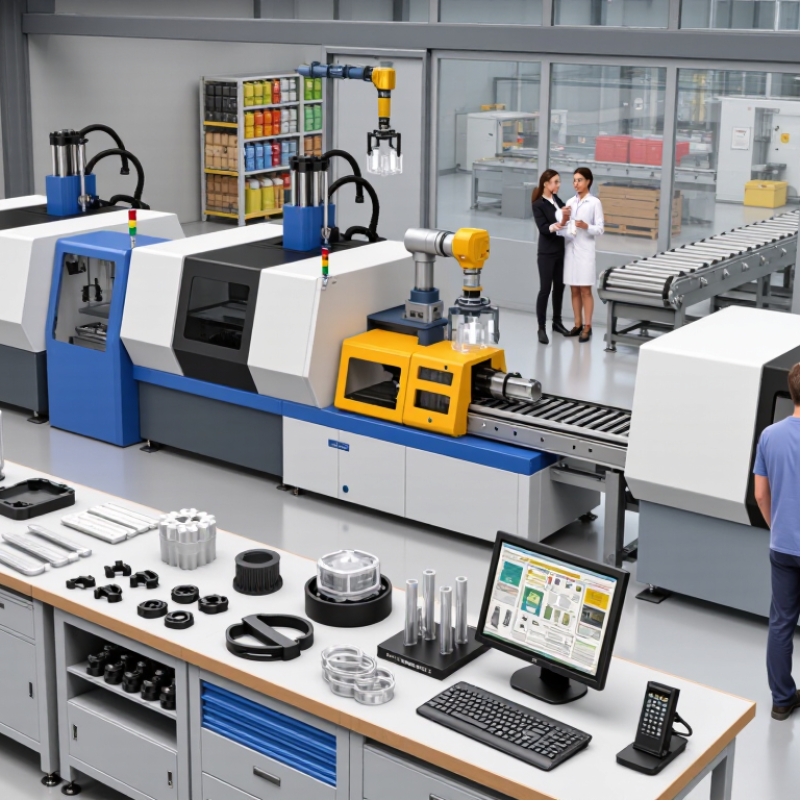
Modern facilities often support rapid prototyping, multi-cavity tooling, insert molding, overmolding, and automated part removal. Robotic systems improve repeatability around the molding cell. In-line cameras can detect flash, short shots, and surface defects. Coordinate measuring machines verify critical dimensions. Strong manufacturers also offer design-for-manufacturing reviews, pilot runs, packaging, and traceable inspection reports. Their teams should explain process limits clearly, not promise impossible tolerances.

Tips: Ask how the supplier validates molds and machines. Request sample data from similar parts. Check material drying methods, mold maintenance records, and change-control procedures. A clean factory helps, but disciplined documentation matters more. Review the first-article report carefully. Small details often reveal larger process weaknesses. Also ask what happens when production drifts. The answer may be more valuable than the sales presentation.

How to Choose the Right Plastic Injection Molding Manufacturer

How to Choose the Right Plastic Injection Molding Manufacturer in 2026

Choosing a plastic injection molding manufacturer in 2026 requires more than comparing hourly rates. Grand View Research estimated the global injection molded plastics market at about USD 198 billion in 2023. That growth attracts inexperienced suppliers. Evidence matters. Request audited quality records, machine lists, and recent production samples. Confirm whether the factory controls mold design, tooling maintenance, resin drying, and dimensional inspection internally.

A capable manufacturer should explain its process in measurable terms. Ask for capability studies, tolerance data, first-article reports, and traceability procedures. ISO 9001 certification helps, but certification alone proves little. A polished sample can still conceal unstable cycle times or excessive scrap.

Review production data from several consecutive runs. The OECD Global Plastics Outlook projects annual plastic waste could rise from 353 million tonnes in 2019 to 1,014 million tonnes by 2060.

Therefore, evaluate recycled-content compatibility, material identification, and scrap-recovery practices.

Cost deserves careful questioning. Request a tooling quotation with steel grade, expected mold life, maintenance duties, and ownership terms. Clarify lead times for prototypes, approvals, and volume production. Visit the facility when possible. Watch operators change molds, inspect parts, and record defects.

Small details matter. A missing inspection record may signal weak discipline.

I would also test communication during a minor design change. If responses become vague, future problems may become expensive.

One overlooked issue remains common: buyers select impressive equipment, but not dependable process control.

Copyright © 2025 The Toolroom Inc. All Rights Reserved.
Website Design St Louis by IQComputing