How to Source Short Run Plastic Injection Molding in 2026
In 2026, sourcing short run plastic injection molding is less about finding the lowest unit price and more about controlling risk. A small order can still involve substantial setup costs. Tooling choice, resin availability, and process consistency all shape the final quote. A polished sample is useful. A stable production plan matters more.
Dr. David Kazmer, a professor and injection molding researcher, offers a useful perspective on manufacturing economics. The following is a paraphrase of that perspective, not a verified verbatim quotation: “Evaluate the tooling and process together, because both determine whether a short run makes economic sense.” That distinction matters. A low-cost mold may suit a simple part, while a more durable tool may pay off across repeat orders. Ask suppliers how they control resin drying, first-article inspection, and dimensional variation. Request a clear breakdown of tooling, setup, parts, and shipping. Then compare the same assumptions across every quote.
Look closely. A quoted lead time may begin only after design approval, material confirmation, or mold completion. Those details can move a launch date by weeks. Short runs also expose weak assumptions quickly: a minor design change can affect the mold, the cycle time, or both. No supplier can remove every uncertainty. The goal is to make the important ones visible before committing. This guide explains how to assess suppliers, compare tooling options, and source short run plastic injection molding with practical evidence—not just an attractive price.

Define the Project Scope and Short-Run Production Requirements
Before requesting short-run plastic injection molding quotes, define what “short run” means for your project. State the initial order quantity, expected repeat orders, and likely annual demand. A first batch of 300 parts differs from 3,000 parts in tooling, setup, and inspection planning. Describe the part’s function, mating components, and operating environment. Include a current drawing or 3D model, key dimensions, and critical tolerances. I still find cosmetic expectations easy to underestimate; specify visible surfaces, color, texture, and acceptable marks.
Tips: Share the resin type if known, but ask the molder to confirm its suitability. Note any exposure to heat, moisture, or repeated stress. Identify the measurements that matter most, rather than applying tight tolerances everywhere. A simple inspection plan can help both sides avoid disagreements.
Set practical production requirements before comparing suppliers. Give a target delivery date, packaging needs, and any assembly or labeling steps. Clarify whether samples are needed before the full run, and who will approve them. Ask how tool design, material availability, and machine scheduling affect the quoted lead time. If the design may change, flag that early; even a small revision can affect the mold. Some details may remain uncertain, and that is worth stating plainly. A clear scope helps the supplier identify risks and price the work on consistent assumptions.
Select Suitable Plastics, Tooling, and Molding Processes
Short-run sourcing starts with the part’s job, not the resin’s price.
Polypropylene suits flexible clips and housings; ABS offers a useful balance of stiffness and impact resistance. For clear parts, polycarbonate may work, but drying and processing need tighter control. Ask suppliers to confirm resin grade, shrinkage, and color availability. A small test plaque can reveal surface and color issues before tooling is cut.
PlasticsEurope’s Plastics—The Fast Facts 2024 reports
413.8 million tonnes
of global plastics production in 2023. That scale does not guarantee every grade is locally stocked. Confirm lead times and minimum order quantities. OECD’s Global Plastics Outlook reports that only
9%
of plastic waste was ultimately recycled in 2019. Where practical, choose a single, clearly specified resin and avoid unnecessary material blends. Small choices matter.
For a few hundred parts, aluminum tooling can reduce upfront cost and shorten toolmaking, but confirm expected tool life and dimensional limits. Steel may be wiser when repeat batches or abrasive resins are likely. A caveat: low-volume does not mean low-risk. Thin ribs, sharp corners, and uneven wall thickness can cause short shots or warpage. Ask for a mold-flow review and a first-article inspection. Compare conventional injection molding with insert or overmolding only when the part’s function justifies extra setup. The cheapest quote can still miss the real cost.
Compare Quotes, Lead Times, Quality Systems, and Ownership Terms
How to Source Short Run Plastic Injection Molding in 2026
Compare quotes line by line, not by total price alone. Check whether each estimate includes resin, mold adjustments, sampling, inspection, and packaging. A low setup fee may conceal expensive revisions. Ask suppliers to price the same part, material grade, color, and annual volume. Then compare lead times by milestone: mold design, first sample, approval, and production. “Four weeks” means little without those dates. Request recent examples of inspection records and ask how defects are logged and corrected.
Tips: Send a clear 3D file, critical dimensions, and realistic tolerances. Ask for a first-article sample before approving the full run. Confirm what happens if the sample misses an agreed measurement. Keep decisions in writing.
Quality systems matter, but a certificate alone cannot show how a shop handles your part. Ask who checks dimensions, what tools they use, and whether results are recorded by lot. For ownership terms, clarify who owns the mold, who pays for maintenance, and whether you can retrieve it or its design files. Set expectations for storage and transfer before production begins. One thing worth admitting: a neat comparison sheet can still miss communication problems. A slow answer during quoting may become a real delay later.
How to Source Short Run Plastic Injection Molding in 2026
Indicative tooling lead-time planning ranges by tool type
These ranges are general planning estimates, not supplier guarantees; geometry, tool complexity, material, and capacity can change schedules. When comparing quotes, request a like-for-like breakdown of tooling, unit price, freight, and inspection costs. Confirm the quality system and inspection records that apply to your parts, and put mold ownership, storage, maintenance, transfer rights, and design-file access in writing.
Validate Samples and Manage the Production Run
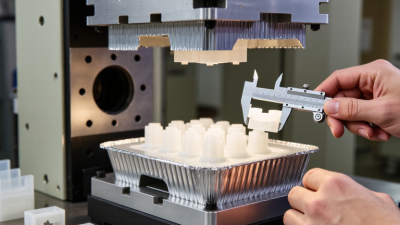
A short-run mold can produce usable parts quickly, but sample approval should test more than appearance. Before signing off, confirm the resin grade, color, surface finish, and key dimensions against the drawing. Measure critical features with suitable gauges, and keep the results with the approved sample. Ask the molder to record machine settings, such as melt temperature and cycle time, so the run has a repeatable starting point. Small details matter. A glossy sample may still hide a warped edge or a tight snap fit.
Treat sample approval as a production check, not a photo review. Test parts in their real assembly, including screw fit, clips, and mating surfaces. Record any acceptable variation before production begins. During the run, request first-off samples and inspect parts at agreed intervals. Check dimensions, color consistency, flash, and short shots. A quick visual check helps, but it cannot replace measurement. If parts drift, pause and review the process before more material is used. The approved sample may not reveal every issue; that is worth remembering.
Tips: Keep a labeled “golden sample” and a simple inspection sheet. Note the date, cavity, material lot, and measurements. Small runs can still vary. Don’t assume each box matches the first.