Understanding the Plastic Injection Moulding Process for China Best Solutions?
The plastic injection moulding process is a cornerstone of modern manufacturing. It allows for high precision and efficiency in creating complex plastic parts. As companies seek the best solutions, understanding this process becomes vital.
China has emerged as a leader in plastic injection moulding. This can be attributed to its advanced technology and skilled workforce. However, not all practices in the industry are flawless. Some manufacturers may cut corners to meet urgent demands. This often leads to inconsistencies in quality.
By exploring the plastic injection moulding process, businesses can optimize their production. They need to engage with suppliers who prioritize quality and reliability. It is essential to remain vigilant about practices that could impact product integrity. Hence, a thorough understanding of this process is key to achieving excellence in the production of plastic components.
Understanding the Basics of Plastic Injection Moulding in Industry
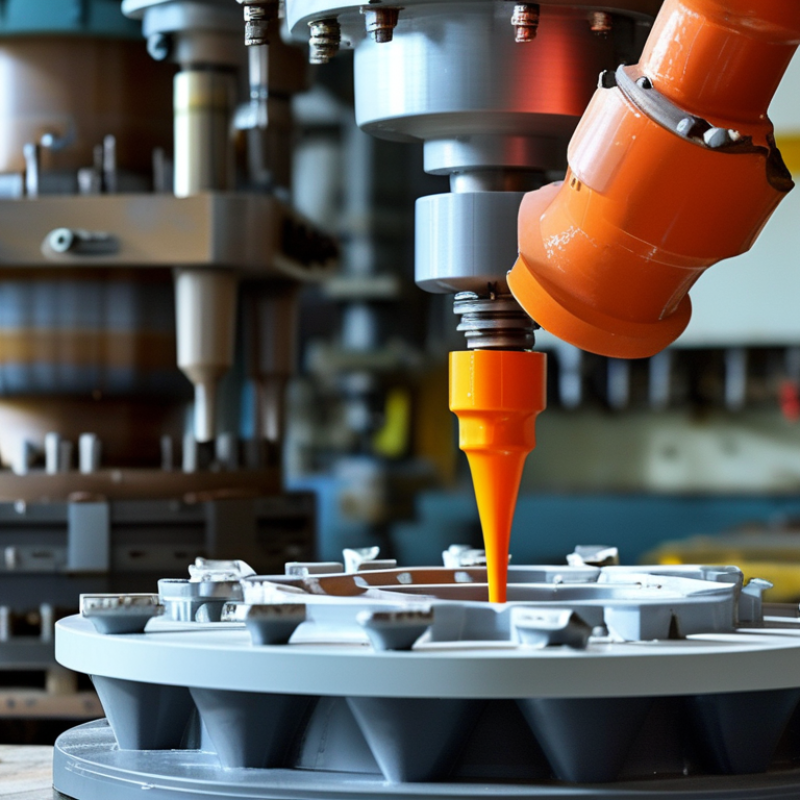
Plastic injection moulding is a widely used manufacturing process in the industry. This method involves injecting molten plastic into a mould to create various shapes and products. It allows for high efficiency and precision in production, making it suitable for large-scale manufacturing. The process begins with selecting the right materials, often thermoplastics, which are heated and forced into a mould cavity.
One critical aspect of injection moulding is the cooling phase. This can be a point of reflection. Cooling must be carefully managed to avoid defects such as warpage or inconsistent thickness. The cooling time affects the cycle time, which impacts overall productivity and efficiency. Each design change can necessitate adjustments in the cooling system, showcasing the delicate balance required in this process.
Quality control is essential in ensuring the final product meets standards. Small inconsistencies can lead to significant impacts on performance. Manufacturers face challenges such as maintaining equipment and ensuring operator skill levels. Continuous training and proper maintenance schedules are required for optimal results. Recognizing and addressing potential issues early can lead to better outcomes in the production line.
Key Components and Materials Used in the Injection Moulding Process
The plastic injection moulding process is pivotal in manufacturing. It requires a deep understanding of key components and materials. These elements significantly influence the quality and efficiency of the production process. The main components include the injection unit, clamping unit, and mould. Each part plays a crucial role in ensuring the molten plastic is accurately injected into the mould.
Materials used in this process are equally important. Thermoplastics, like polypropylene and polystyrene, are widely favored. These materials offer excellent versatility and durability. Data from industry reports indicate that thermoplastics account for about 70% of injection moulding applications. Meanwhile, additives enhance properties such as UV resistance and impact strength. The report highlights that the demand for sustainable materials is rising, pushing innovation in bioplastics.
Despite its advantages, the injection moulding process is not without challenges. Variability in material quality can lead to defects in finished products. Manufacturers often face issues with cycle times and energy consumption. Addressing these challenges requires continuous learning and adaptation of new techniques. This process highlights the need for expertise in material science and engineering principles.
Overviews of the Different Types of Injection Moulding Technologies
Injection moulding plays a crucial role in the manufacturing sector, especially in China. Understanding its different technologies is vital for businesses seeking optimal solutions. The primary types include thermoplastic, thermosetting, and elastomeric injection moulding. Each technology serves distinct application needs.
Thermoplastic moulding is the most prevalent. It accounts for nearly 75% of all injection moulding processes. This approach allows for reusable materials, making it cost-effective and environmentally friendly. In contrast, thermosetting moulding creates stronger, heat-resistant components. It’s often used in applications requiring durability, such as electrical housings.
Additionally, advancements in multi-component injection moulding have emerged. This method allows for producing complex parts with different materials in a single cycle. Recent industry data suggests that this technique is gaining traction, projected to grow by over 20% in the next five years. Despite its advantages, challenges remain in tooling and cycle time optimization. Businesses must navigate these to fully leverage injection moulding technologies.
Evaluating Cost-Efficiency and Production Rates in Moulding Operations
The plastic injection moulding process is a key aspect of manufacturing. It is essential to evaluate cost-efficiency and production rates. Industry reports indicate that countries like China have become leaders in this area. According to recent data, the average cost for manufacturing a single plastic part can range from $0.50 to $5.00, depending heavily on complexity and material.
Production rates also vary significantly. A standard moulding machine can produce 60 to 600 parts per hour. However, achieving higher production often requires costly mould designs and setup times. This can lead to challenges in determining the actual cost-effectiveness. Differences in material quality and machine efficiency also play a role. A recent survey shows that nearly 30% of manufacturers faced unexpected costs due to machine downtime and material waste.
In a rapidly evolving market, continuous improvement is crucial. Companies must analyze their operations regularly. Transitioning to better machinery, or enhancing worker training, can yield better results. Many facilities are only beginning to collect data on production efficiency. The variability in moulding operations highlights the need for detailed analysis and strategic planning to ensure that cost-efficiency is optimized, making it imperative for manufacturers to be aware of these factors.
Understanding Cost-Efficiency and Production Rates in Plastic Injection Moulding
Future Trends and Innovations in Plastic Injection Moulding for China
The plastic injection moulding industry is evolving rapidly in China, reflecting broader global trends. Increased automation is one key area of development. According to a recent report, over 30% of manufacturing processes are now automated, reducing labor costs and increasing efficiency. Companies are investing heavily in robotic systems that can operate 24/7. This not only enhances output but also improves precision in part production.
Sustainability is another critical trend. The shift toward biodegradable plastics is gaining momentum. Industry analyses indicate that the market for sustainable materials could reach $20 billion by 2025. However, there are challenges; not all biodegradable options meet the performance standards demanded by various sectors. Manufacturers are exploring innovative blends and alternative materials that balance performance with environmental impact.
Moreover, digital technologies are reshaping the moulding process. Industry stakeholders are adopting AI and IoT systems to monitor and optimize production lines in real-time. A report showed that such integration could enhance productivity by up to 25%. Yet, there remain hurdles regarding the initial investment costs and the need for skilled workforce training. As these trends continue, the future of plastic injection moulding in China promises both opportunities and challenges.