Top Tips for Successful Rubber Injection Molding Processes?
Rubber injection molding has emerged as a vital process in diverse industries, from automotive to consumer goods. According to a report by Grand View Research, the global rubber injection molding market is expected to reach $12 billion by 2026, demonstrating the growing demand for efficient manufacturing techniques. Experts believe that understanding the nuances of this process is crucial for success. Dr. Emily Carter, a leading authority in polymer engineering, once stated, “Mastering rubber injection molding can significantly enhance product quality and production efficiency.”
The intricacies of rubber injection molding require precise temperature control, material selection, and tooling design. In many cases, industry players face challenges such as uneven material distribution and inadequate curing times. As pointed out by various manufacturers, achieving optimal results involves iterative testing and adjustments. Feedback from these processes is essential for continuous improvement.
Moreover, attention to detail can make a substantial difference. Industry surveys indicate that companies often underestimate the importance of raw material quality. This oversight can lead to costly defects. Emphasizing training and knowledge sharing among team members can further enhance the molding process. A collaborative approach may address potential pitfalls and elevate production standards in the rubber injection molding sector.
Understanding the Basics of Rubber Injection Molding
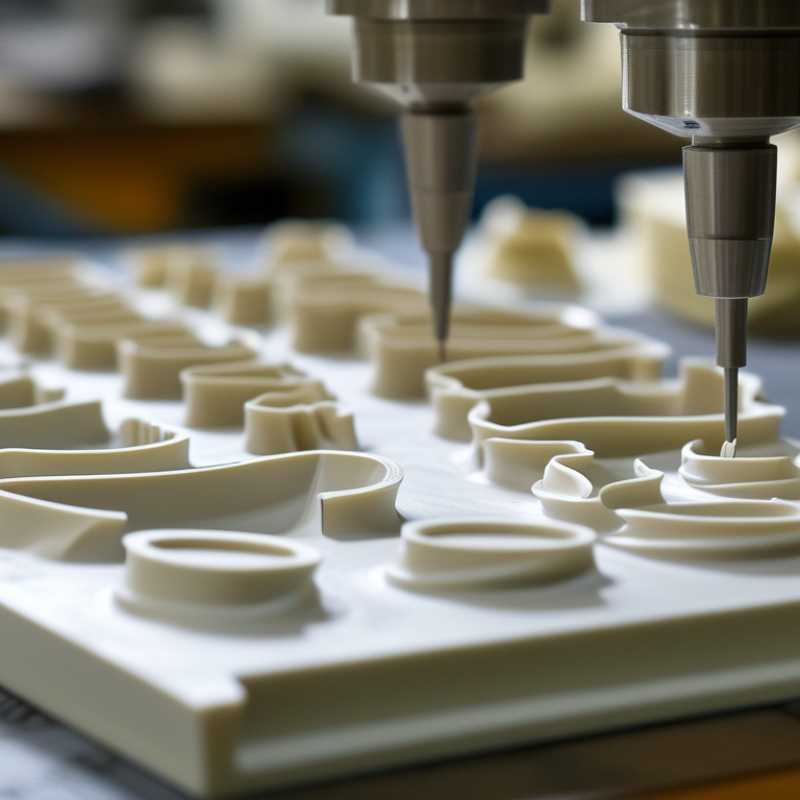
Rubber injection molding is a complex process that requires a solid understanding of various factors. This method involves injecting molten rubber into a mold cavity. The choice of rubber compounds significantly affects the final product. According to industry reports, the global rubber injection molding market was valued at approximately $4 billion in 2022, with projections showing a steady growth rate of around 5% annually. This growth highlights the increasing demand for high-performance rubber components across various sectors.
Understanding the basic principles of rubber injection molding is crucial. Factors like temperature, pressure, and mold design play a critical role. The average cycle time can last anywhere from 30 seconds to several minutes, depending on the part complexity. Even small variations in the production process can lead to defects. A report from the Rubber Manufacturers Association noted that 30% of molded products fail quality inspections due to poor process control. This statistic underscores the importance of refining techniques and undergoing regular training to ensure success.
Experimentation is key in this field. Each project requires a unique approach. Collaborating with experienced engineers can lead to better outcomes. However, relying solely on technology without proper human oversight can result in costly mistakes. Balancing machine automation with skilled labor is essential for achieving optimal results in rubber injection molding.
Top Tips for Successful Rubber Injection Molding Processes
This chart illustrates the importance of various factors in the rubber injection molding process based on a survey of industry professionals. The key factors evaluated include Temperature Control, Mold Design, Material Quality, Cycle Time, and Operator Skill Level.
Essential Equipment for Efficient Rubber Injection Molding Processes
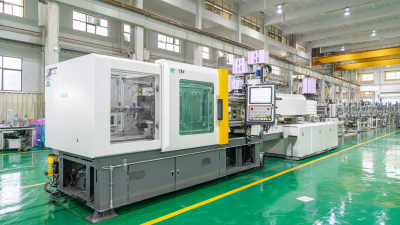
When optimizing rubber injection molding processes, choosing the right equipment is crucial. A well-designed injection molding machine forms the backbone of production efficiency. Key parameters, such as temperature control and injection speed, significantly impact the final product's quality. Industry reports indicate that up to 30% of production defects stem from inadequate machinery settings.
Investing in high-quality molds also pays off. Precision molds allow for tighter tolerances and reduced cycle times. A study from the Rubber Manufacturers Association highlights that using advanced mold technologies can enhance product consistency by 25%. Yet, frequent maintenance of these molds is often overlooked, leading to performance declines.
Tip: Regularly check machine calibration and mold alignment. This practice can minimize defects and improve output quality.
Additionally, maintaining the right mixture of rubber compounds is essential. The formulation directly affects the flow properties during the injection process. An incorrect mix can cause delays or, worse, scrap material. Reports show that about 15% of material waste results from improperly tested compounds.
Tip: Always conduct thorough quality checks on raw materials before use. Implementing this check can result in a smoother production flow.
Key Factors Influencing Rubber Injection Molding Quality
Rubber injection molding is a complex process that greatly relies on several key factors to ensure high-quality outputs. Among the primary influences are temperature control, material selection, and mold design. Industry reports suggest that a mere 1% deviation in temperature can lead to inconsistent product properties, affecting performance and durability. Maintaining optimal temperatures is crucial during the injection phase; typically, they range from 150 to 200 degrees Celsius, depending on the rubber type.
Material selection also plays a critical role. Different rubber compounds exhibit unique properties such as tensile strength, elasticity, and thermal stability. The right choice can enhance the product’s lifecycles. A 2021 study indicated that using advanced thermoplastic elastomers (TPEs) can improve flexibility and longevity by 30% compared to traditional rubber types. However, improper handling or storage of raw materials can introduce contaminants that negatively impact quality outcomes.
Mold design shouldn't be overlooked either. Complexity can increase the risk of defects. A study from the Society of Plastics Engineers noted that nearly 15% of defects arise from mold-related issues. Designing molds with proper ventilation, cooling channels, and ease of ejection can mitigate these risks. Manufacturers must routinely revisit their processes and embrace feedback for continual improvement, addressing imperfections where they arise.
Common Challenges in Rubber Injection Molding and Their Solutions
Rubber injection molding presents some common challenges that can affect production quality and efficiency. One significant issue is the material inconsistency, which can lead to defects. According to industry reports, 38% of manufacturers cite material flaws as a constant hurdle. Ensuring uniformity in raw rubber is vital for achieving desired part characteristics. Utilizing advanced mixing techniques can mitigate these inconsistencies, promoting better flow properties.
Another challenge involves maintaining optimal mold temperatures. Molds that are too hot or cold can cause warping or incomplete fill. A study indicates that 28% of molding failures stem from improper temperature control. Regular monitoring of temperature through advanced sensors can ensure that the molds maintain the optimal thermal profile. Additionally, operators should consider using heating elements that can respond quickly to temperature changes.
Lastly, workforce training is critical. Many workers lack adequate knowledge about machine settings and material behavior, which can result in subpar output. Approximately 22% of production downtime is attributed to inexperienced operators. Implementing continuous training programs can enhance operator skills, leading to more consistent results and fewer defects. Investing in workforce development is an ongoing process that directly influences production quality.
Top Tips for Successful Rubber Injection Molding Processes
| Dimension |
Common Challenges |
Solutions |
| Temperature Control |
Inconsistent part quality |
Implement automated temperature monitoring and adjust settings based on feedback. |
| Material Selection |
Poor elasticity and flexibility |
Choose the correct grade of rubber for the specific application. |
| Injection Speed |
Defects such as short shots or flow lines |
Optimize injection speed to balance filling and packing phases. |
| Mold Design |
Inadequate venting leading to air traps |
Include proper venting strategies in mold design. |
| Cycle Time |
Inefficient production rates |
Analyze and streamline each phase of the molding cycle. |
| Post-processing |
Inconsistent surface finish |
Implement quality control measures during the post-processing phase. |
Best Practices for Maintenance and Care of Injection Molding Machines
Maintaining injection molding machines is crucial for optimal performance. Regular maintenance checks can extend the lifespan of these machines. Inspecting components like nozzles and barrels is important. Wear and tear can lead to costly downtime. A daily visual inspection helps catch minor issues before they become major repairs.
Lubrication is essential. It reduces friction and prevents overheating. Follow the manufacturer’s guidelines for lubrication schedules. Yet, over-lubrication can lead to problems too. Keeping a balance is key. Check for leaks in hydraulic systems regularly; a small leak can escalate quickly.
Calibration of machine settings should not be overlooked. Improper settings can affect product quality. Ensure that temperature and pressure gauges are accurate. One small miscalculation can lead to production waste. Training employees on proper machine operation can mitigate many issues. However, it’s essential to review and adjust procedures as needed. Regular feedback and open discussions can lead to improvements in maintenance practices.