Blog

What Is Plastic CNC Machining and How Does It Work?

Plastic CNC machining turns a digital design into a physical part by removing material from plastic stock. A CNC mill or lathe follows programmed toolpaths, while the machinist selects cutting tools, speeds, and feeds for the chosen plastic. The process can produce precise prototypes, fixtures, and end-use components without a mold. It is controlled, but not effortless.

Plastic behaves differently from metal. Heat can soften a cut edge, thin walls can flex, and chips may cling to a tool. A clear acrylic panel, for example, needs different handling from a block of nylon. Small changes in tool geometry or clamping pressure can affect the finish. The machine may be accurate; the setup still matters.

Polymer-processing expert Dr. David Kazmer’s work focuses on how materials and manufacturing processes interact. A useful editorial takeaway—not a verified quotation—is: “Choose the process around the material, not just the drawing.” This guide explains how plastic CNC machining works, which plastics suit common applications, and what affects cost, accuracy, and surface quality. It also considers the trade-offs: machining offers flexibility, yet it can waste stock and demand careful process tuning. Some parts still need another method. That is worth remembering.
What Is Plastic CNC Machining and How Does It Work?

What Plastic CNC Machining Is

Plastic CNC machining is a subtractive process: a cutting tool removes material from a solid plastic block or sheet to create a finished part. A digital design guides the machine’s movements, while the operator selects the tool, cutting speed, and setup. Unlike molding, it does not require a custom cavity. That can make it useful for prototypes, replacement parts, and short production runs.

The material matters. Acrylic can produce clear panels, while nylon and acetal are often chosen for wear-resistant components. Heat can soften plastics during cutting, and thin walls may flex under tool pressure. Machinists manage these risks with sharp tools, careful clamping, and controlled feed rates. Small details count: a warm edge or a clamped surface can affect the final dimensions. Not always obvious.

The OECD’s 2022 Global Plastics Outlook reports that global plastics production grew from 234 million tonnes in 2000 to 460 million tonnes in 2019. That figure describes plastics overall, not CNC-machined parts, but it shows the scale of plastic use. CNC machining uses only the stock needed for a part’s shape, yet it still creates chips and offcuts. Those scraps may be recyclable, depending on the polymer and how cleanly they are collected. Material choice deserves more thought than it sometimes gets.

What Is Plastic CNC Machining and How Does It Work? — What Plastic CNC Machining Is
Topic What It Means Practical Details
Definition Plastic CNC machining is a subtractive manufacturing process in which computer-controlled cutting tools remove material from a plastic workpiece to create a part. It is used to make prototypes, custom components, and low- to medium-volume parts from solid plastic stock.
How CNC control works A computer numerical control (CNC) machine follows programmed instructions that guide tool movement, cutting speed, and other machining operations. The machine may use a milling cutter, drill, lathe tool, or other suitable cutting tool, depending on the part geometry.
Digital design and toolpaths A part is typically designed in computer-aided design (CAD) software. Computer-aided manufacturing (CAM) software converts the design into toolpaths and machine instructions. The toolpaths specify how the cutter moves to shape the workpiece while leaving the required features and dimensions.
Workpiece forms Machining commonly begins with plastic stock such as sheet, plate, rod, or bar. The starting form is selected to suit the part’s size, geometry, material, and machining plan.
Common materials Machinable plastics include acrylic (PMMA), polycarbonate (PC), acetal (POM), nylon (PA), polyethylene (PE), and polyether ether ketone (PEEK). Material choice affects properties such as strength, stiffness, impact resistance, chemical resistance, temperature performance, and machinability.
Basic process The workpiece is secured, the machine is set up with suitable cutting tools, and the programmed operations remove material to form the part. Depending on the design, operations may include facing, milling, drilling, turning, pocketing, and finishing.
Heat and chip control Cutting generates heat and chips. Plastics can soften or deform if machining conditions are not appropriate for the material. Tool selection, cutting parameters, chip evacuation, and workholding are chosen to help control heat and avoid damage.
Accuracy and tolerances CNC machines can produce accurate features, but achievable tolerances depend on the machine, part geometry, material, setup, and inspection method. Plastic parts can change dimension with temperature and moisture; critical dimensions should be specified and inspected under defined conditions.
Surface finish The machined surface is influenced by the material, cutting tool, toolpath, and machining parameters. Additional steps such as deburring, polishing, or other finishing may be used when the application requires them.
Key advantages The process works directly from digital designs, supports many engineering plastics, and does not require a mold for each part design. It is often useful when parts need precise features, material selection flexibility, or design changes between production runs.
Key limitations Because it removes material, machining can create waste and may be less suitable for very high-volume production or highly complex internal shapes. Part geometry, stock availability, tool access, material behavior, and production quantity should be considered during design.

How CNC Machines Cut Plastic

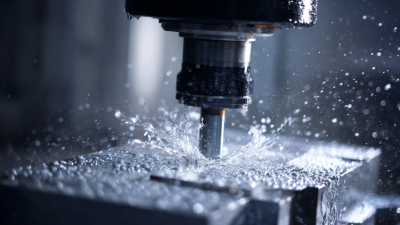
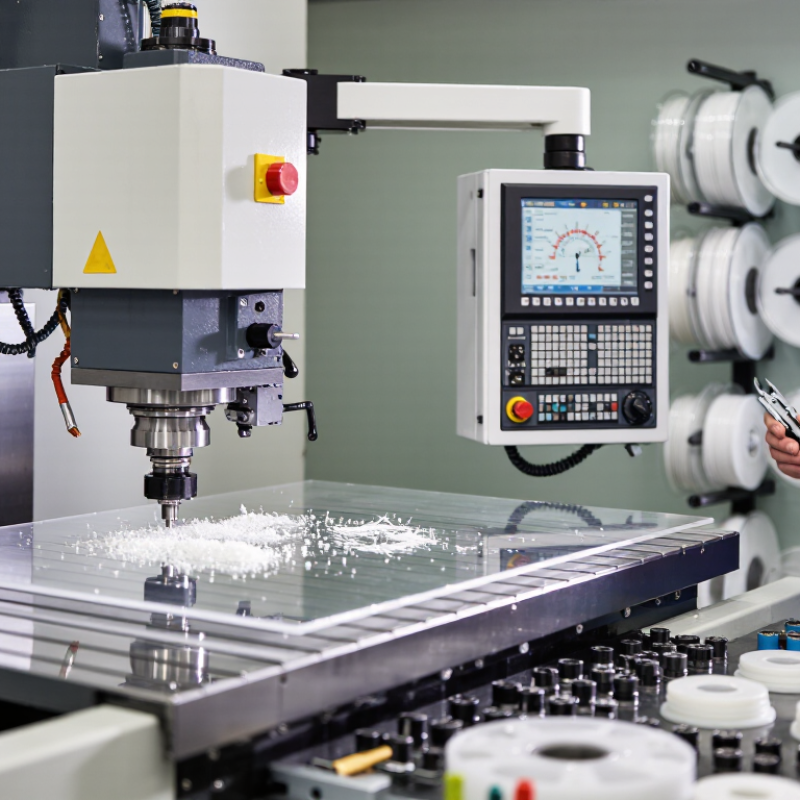
A CNC machine cuts plastic by following tool paths created from a digital part design. A rotating cutter removes material in small chips, while the workpiece stays clamped to the table. Tool shape, spindle speed, feed rate, and cutting depth all affect the result.

PlasticsEurope’s Plastics – the Fast Facts 2024 report estimates global plastic production at 413.8 million tonnes in 2023. That figure is not a measure of machined parts, but it shows the scale of plastic use across manufacturing. One detail is easy to miss: plastics do not shed heat like metals.

Heat can soften an edge, melt chips onto the cutter, or distort a thin wall. Machinists often use sharp, polished tools and clear chips away with air or coolant suited to the material. They also support the workpiece close to the cut, reducing vibration and flex.

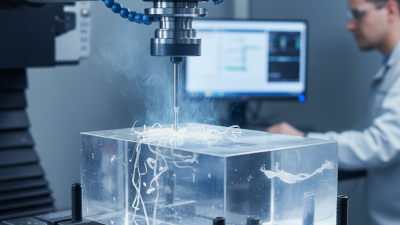
Acrylic may chip; softer plastics may form long, stringy shavings. A setting that works for one polymer can fail on another. That variability deserves more attention than it often gets.

Tips: Start with a test cut on scrap. Inspect the edge for melting, burrs, or chatter, then adjust feed and speed in small steps. Keep chips moving away from the cutter, and avoid excessive clamping pressure, which can leave marks or bend thin parts.

Choosing a Plastic and Preparing the Design

Choosing a plastic starts with the part’s job, not its price. Match stiffness, impact resistance, chemical exposure, temperature, and moisture to real operating conditions. Nylon can absorb moisture and change dimensions; acetal is often chosen for stable, low-friction components. Grade matters, too. Check the supplier’s technical data for the exact stock, since published properties vary by formulation and test method. Fit matters.

Material waste deserves attention in a subtractive process. The OECD’s Global Plastics Outlook (2022) estimated 460 million tonnes of plastics were produced worldwide in 2019, with 353 million tonnes of plastic waste generated that year. Those figures describe the wider industry, not CNC scrap, but they underline why stock size and part layout matter. A thick billet for a thin bracket can create avoidable chips.

Before machining, show critical dimensions, tolerances, hole depths, and surface requirements clearly. Add generous internal corner radii where possible; a round cutting tool cannot produce a perfectly sharp internal corner. Thin walls and tall, narrow features may flex under cutting forces, so support them or revise the geometry. Leave enough material for clamping, and mark cosmetic faces that need protection. One easy-to-miss detail: verify the chosen plastic’s thermal expansion against the assembly fit. A drawing can look precise and still leave too little clearance after temperature changes.

Choosing a Plastic for CNC Machining: Typical Material Density

Density can affect part weight and material selection during design preparation. Values shown are approximate and vary by grade, additives, and supplier specifications. Confirm the exact material data before finalizing a design.

The Plastic CNC Machining Workflow

What Is Plastic CNC Machining and How Does It Work?

The Plastic CNC Machining Workflow

A plastic part begins with a CAD model and a clear list of critical dimensions. The machinist checks wall thickness, holes, corners, and areas that may flex. Material choice matters because plastics vary in stiffness, heat resistance, and tendency to deform. Small details matter. Stock is cut slightly oversized, then secured in a fixture that supports the part without squeezing it out of shape.

The machine follows programmed toolpaths to remove material from the stock. Sharp cutters and steady chip removal help reduce heat, which can soften plastic or leave rough edges. Cutting speed and feed rate depend on the material and tool. Too much pressure can cause chatter. Too little support can let thin features vibrate during a cut. The setup may need adjustment after a test pass; the workflow is not perfectly predictable.

After machining, the part is deburred and checked against the drawing. Calipers or other measuring tools can verify accessible features, while complex shapes may need more specialized inspection. Measurements should be taken after the part has cooled and stabilized. A first pass can look clean yet reveal slight warping later, especially when material stress was uneven. That possibility is easy to underestimate. Revising the fixture or toolpath may be more effective than simply cutting faster.

Common Applications and Machining Considerations

Plastic CNC machining removes material from a plastic block using rotating cutting tools or a turning tool. It suits custom enclosures, brackets, prototypes, and low-volume parts where geometry or material choice matters. A machined manifold, for example, may need smooth internal passages and accurately positioned ports. CNC equipment can produce these features, but the result still depends on setup and material behavior.

Common applications include electronic housings, laboratory fixtures, wear components, and lightweight machine parts. Engineers may choose plastics for low weight, electrical insulation, or resistance to certain chemicals. The choice is not automatic. A material that handles one fluid may swell or weaken around another, so check compatibility before production. Small details matter.

Plastic can soften from cutting heat, flex under clamping, or chip at thin edges. Sharp tools, steady chip removal, and moderate cutting conditions help limit these problems. Support the workpiece without squeezing it out of shape. For tight tolerances, account for temperature and moisture changes, especially with hygroscopic plastics. Surface finish and dimensional stability may also differ across materials. There is no universal setting, and pretending otherwise would be misleading. A test cut can reveal tool marks, burrs, or unexpected movement before the final part is machined.

Copyright © 2025 The Toolroom Inc. All Rights Reserved.
Website Design St Louis by IQComputing