Top Plastic Machining Techniques for Global Buyers?
Choosing the right plastic machining techniques is crucial for global buyers. This area combines precision, efficiency, and innovation. Various methods exist, each with its strengths. Understanding these techniques can enhance production quality and reduce costs.
Plastic machining involves methods like CNC machining, laser cutting, and injection molding. Each technique offers unique benefits. CNC machining allows for intricate designs, while laser cutting ensures high accuracy. Injection molding is ideal for large-scale production. However, each method may also come with limitations that require careful consideration.
Investing time in exploring these plastic machining options can lead to better business decisions. Buyers should consider factors such as material compatibility, production volume, and cost efficiency. These elements significantly affect the end product. Effective plastic machining not only meets demand but also drives innovation in design. Understanding this landscape promotes informed choices and strengthens supply chains.
Top Plastic Machining Techniques for Global Buyers
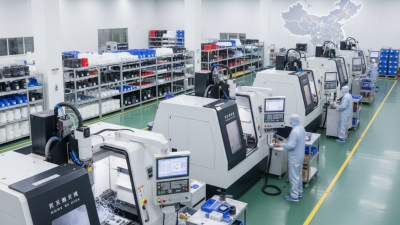
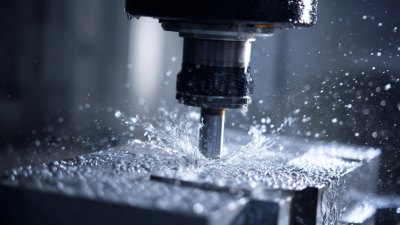
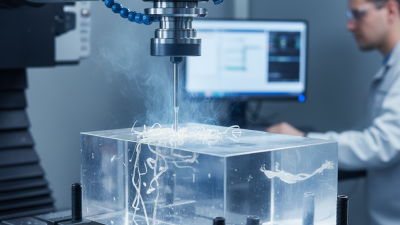
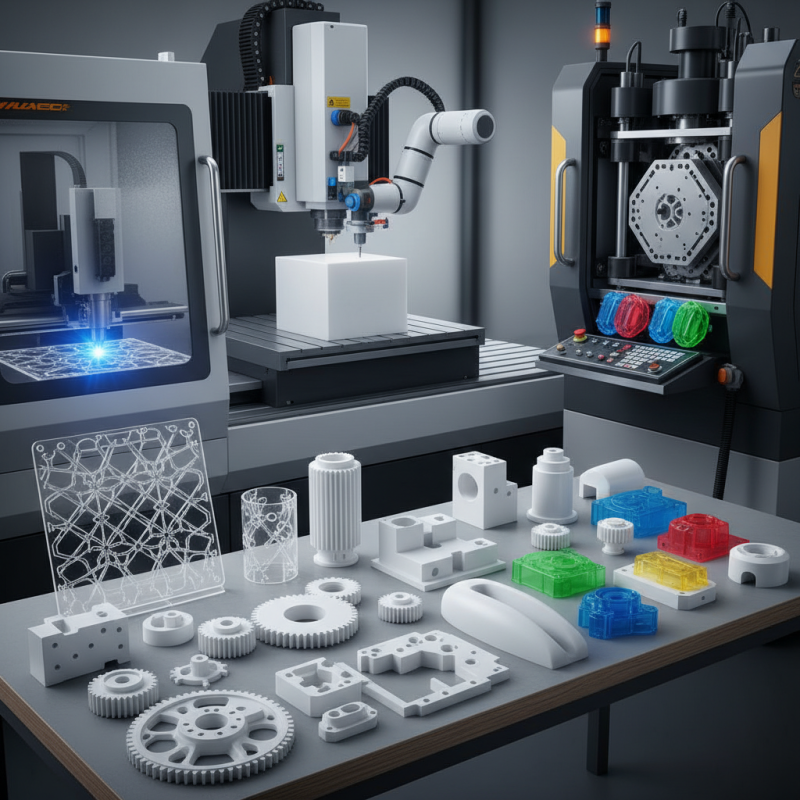
When exploring the top plastic machining techniques, it’s crucial to consider various factors like precision and application. Common methods include CNC machining, which offers excellent accuracy for intricate designs. Laser cutting is another option, ideal for creating precise shapes in thin plastics. These technologies are widely adopted for their reliability and efficiency.
However, challenges often arise. Maintaining the quality of cut surfaces can be tricky. Sometimes, machining can introduce internal stresses, affecting durability. Buyers must also contemplate the environmental impact of plastic machining. Recycling and waste reduction strategies should be prioritized in decision-making.
Understanding these techniques helps buyers make informed choices. Collaborating with experienced manufacturers can provide insights into best practices. Moreover, constant innovation in plastic machining presents opportunities for improvement. This dynamic field requires ongoing reflection and adaptation to meet evolving market needs.
Overview of Plastic Machining Techniques and Their Importance
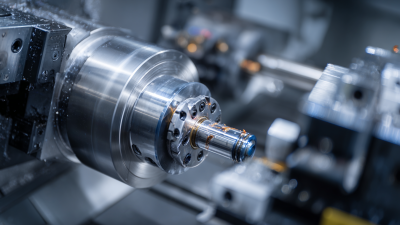
Plastic machining techniques play a crucial role in various industries, from aerospace to automotive. These methods include CNC machining, laser cutting, and injection molding. According to a recent industry report, over 25% of manufacturers rely on CNC machining for precision plastic parts. This technique allows for intricate designs and tight tolerances, essential for high-quality products.
One significant aspect of plastic machining is its adaptability. Different polymers can be machined to meet specific requirements. For example, high-temperature plastics like PEEK are increasingly popular. They exhibit exceptional strength and thermal resistance, making them ideal for critical applications. However, not all machinists are well-versed in working with these advanced materials, which can lead to quality issues.
Market demands are shifting rapidly, pushing for innovations in plastic machining. A study indicated that 60% of engineers emphasize the need for training in new techniques. Without this focus on skill development, companies may struggle to compete. Manufacturers are increasingly aware that investing in employee education is vital to maintain competitiveness in machining processes.
Key Materials Used in Plastic Machining: Types and Properties
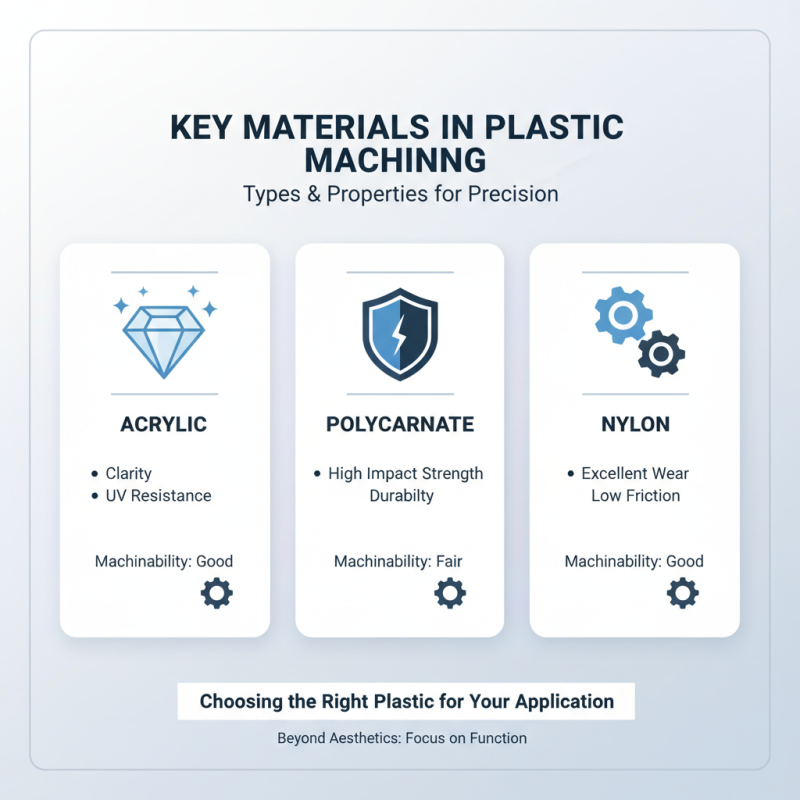
When considering plastic machining, understanding the materials involved is crucial. Various plastics have distinct properties that influence their machining suitability. Common materials include acrylic, polycarbonate, and nylon. Acrylic offers clarity and UV resistance. Polycarbonate boasts high impact strength, while nylon is recognized for its excellent wear resistance. Their choosing should align with specific applications, transcending mere aesthetics.
Market reports suggest that plastic machining is increasing rapidly, driven by demand in industries like automotive and medical. According to recent data, nearly 35% of machine shops report a focus on high-performance plastics. This shift indicates a desire for materials that withstand extreme conditions while minimizing weight.
Tip: Always assess the thermal properties of plastics when machining. Warping can occur if they are exposed to excessive heat during cutting.
Additionally, the sustainability landscape is evolving. Biodegradable plastics emerge but require careful handling. Their machining properties differ and may not match conventional plastics’ reliability. Balancing performance and environmental impact is essential as global buyers navigate these choices.
Tip: Engage with suppliers who can provide data on material performance. Knowledgeable partners often share insights that can help avoid costly mistakes.
Comparison of Conventional vs. Advanced Plastic Machining Methods
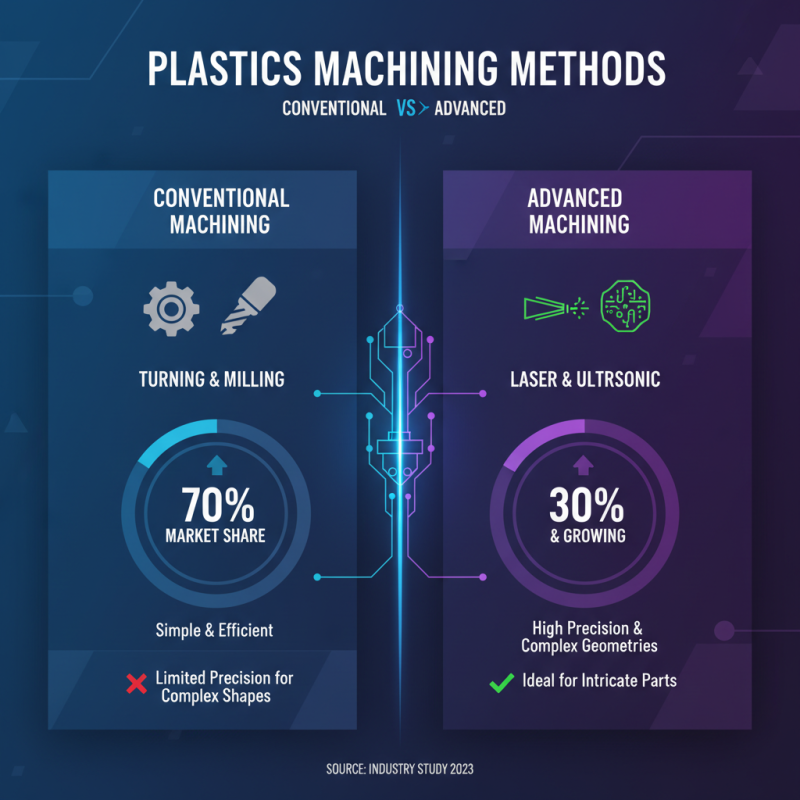
When examining plastic machining methods, a clear divide exists between conventional and advanced techniques. Conventional machining includes methods such as turning and milling, widely adopted for their simplicity and efficiency. According to a recent industry study, these methods account for approximately 70% of the market. However, they often struggle with precision when working with complex geometries.
On the other hand, advanced machining techniques, such as CNC (Computer Numerical Control) and 3D printing, showcase significant improvements in automation and detail. CNC machining boasts precision levels within 0.001 inches, making it ideal for intricate designs. A report from the American Society of Mechanical Engineers revealed that 3D printing is expected to grow by 25% annually, driven by its flexibility in producing low-volume parts quickly. Yet, businesses often face challenges in material compatibility and surface finish quality.
While conventional methods are reliable, they can be limiting. Advanced techniques offer greater adaptability but require a higher initial investment in technology. Selecting between the two often depends on project-specific needs, including budgetary constraints and desired quality. A thoughtful evaluation reveals that while both approaches have their merits, the industry continues to evolve, reflecting the balance between tradition and innovation.
Industry Applications: Where Plastic Machining Techniques Excel
Plastic machining techniques are essential in various industries, ranging from aerospace to medical devices. These techniques allow for precise shaping and finishing of plastic materials. For instance, CNC machining is widely used for creating intricate components that require high precision. This process produces parts with tight tolerances, which are crucial for applications like aerospace components, where reliability is paramount.
Another significant application is in the healthcare sector. Medical devices often utilize plastic components that need to meet strict regulatory standards. Machining techniques like laser cutting and milling ensure that products are manufactured accurately and consistently. Moreover, these techniques can accommodate the production of both small and large batches, catering to diverse project needs. However, challenges exist. Ensuring the quality of materials and managing production costs can be difficult. An ongoing reflection on these aspects is essential to enhance efficiency and effectiveness in design and fabrication processes.
Top Plastic Machining Techniques for Global Buyers
| Machining Technique |
Material Type |
Industry Applications |
Advantages |
| CNC Machining |
Acrylic, ABS |
Automotive, Medical |
High precision, Versatile |
| Injection Molding |
Polypropylene, Nylon |
Consumer Goods, Electronics |
Mass production, Low cost |
| 3D Printing |
PLA, PETG |
Prototyping, Aerospace |
Rapid iteration, Customization |
| Laser Cutting |
PVC, Polycarbonate |
Signage, Architecture |
Complex cuts, Clean edges |
| Thermoforming |
Polystyrene, PET |
Packaging, Food Service |
Low cost, Easy to scale |
Conclusion
The article "Top Plastic Machining Techniques for Global Buyers" provides an insightful overview of various plastic machining techniques that are crucial for modern manufacturing. It highlights the key materials commonly used in plastic machining, discussing their types and properties to emphasize the importance of selecting the right materials for specific applications. The comparison between conventional and advanced plastic machining methods showcases the evolution of techniques, allowing industries to choose the most efficient processes for their needs.
Furthermore, the article delves into the industry applications where plastic machining excels, demonstrating its significance across different sectors. It also forecasts future trends, pointing out potential innovations and market growth statistics that are expected to shape the landscape of plastic machining. Overall, understanding these techniques and their applications is essential for global buyers looking to enhance their manufacturing capabilities.