China Top 10 Plastic Injection Molded Parts Manufacturers?
China’s plastic injection molded parts industry serves automotive, electronics, medical-device, packaging, and consumer-goods manufacturers. Its scale makes supplier selection consequential. Grand View Research estimated the global injection molded plastics market at USD 330.41 billion in 2023 and projected a 4.8% compound annual growth rate from 2024 to 2030. That figure describes a broad market, not China’s share alone. Still, it signals why buyers scrutinize quality systems, tooling capability, and production consistency.
A factory tour can reveal details a catalog cannot: polished mold surfaces, resin drying records, and inspection stations beside active presses. John Beaumont, author of Successful Injection Molding, emphasizes the need to understand how mold design and processing affect the finished part. In paraphrase: good parts depend on controlling the whole molding system, not simply choosing a capable machine. A useful reminder.
This top-ten guide compares Chinese manufacturers by practical criteria: materials and part complexity, mold-making resources, quality controls, production scale, and export experience. Rankings should not replace direct validation. Request sample parts, review inspection documents, and confirm capacity against your forecast. A low quote may hide trade-offs in tooling life, tolerances, or communication. Those details matter. The strongest partner is not always the largest; it is the one whose evidence matches your application.
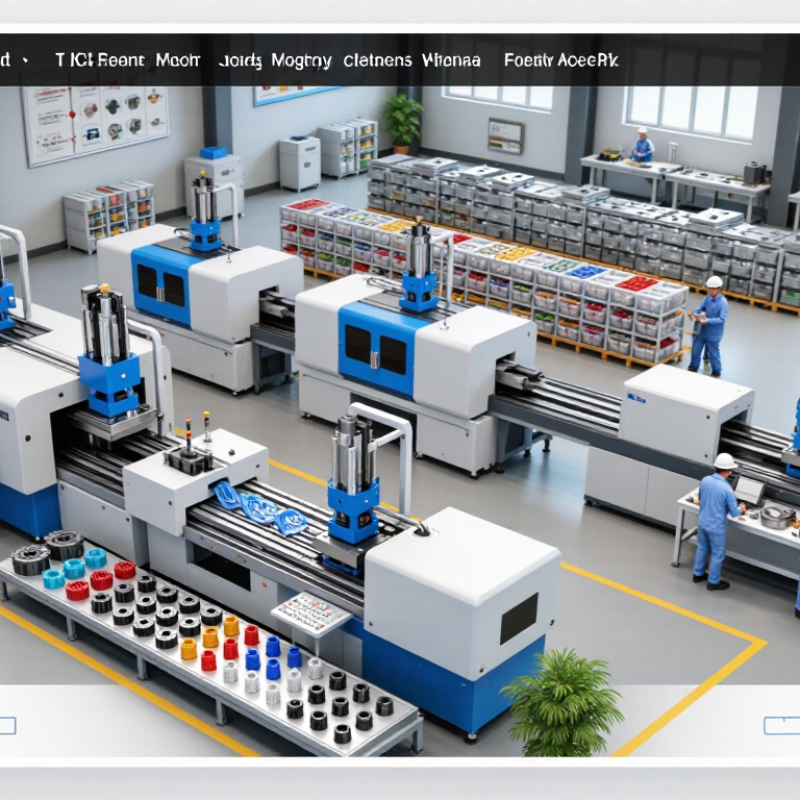
What Plastic Injection Molded Parts Manufacturers Do
Plastic injection molded parts manufacturers do more than press resin into a steel tool. They translate drawings, dimensions, material requirements, and production volumes into a workable process. A design review may flag thin walls, sharp corners, or ribs that could cause sink marks.
Small changes matter.
Manufacturers then design and build molds, selecting gates, cooling channels, and ejection features. During trial runs, technicians adjust temperature, pressure, and cooling time while inspecting sample parts. Calipers can check key dimensions; visual inspection may reveal flash, short shots, or surface blemishes.
Real parts vary.
Many manufacturers also coordinate material drying, machine setup, production planning, and batch records. Some offer trimming, printing, assembly, or packaging, depending on project needs. Reliable teams document inspection results and discuss tolerances before full production instead of promising perfection. That conversation can take time. A rushed drawing review still happens sometimes, so asking for a second look can prevent costly surprises.
How China’s Top 10 Manufacturers Were Selected
How China’s Top 10 Manufacturers Were Selected
A credible manufacturer shortlist should reflect more than website claims or production capacity. Each candidate can be assessed for mold design experience, injection molding capabilities, quality controls, and the ability to support a project from prototype to repeat production. Useful evidence includes sample inspection reports, process documentation, and clear answers about tooling maintenance. Specifics matter. A mold trial record, for example, can show how a supplier handles flash, sink marks, or inconsistent dimensions. These checks help distinguish practical experience from polished marketing.
Selection should also consider communication and delivery reliability. Review how clearly a supplier discusses resin choices, tolerances, cycle times, and design-for-manufacturing changes. Compare quotations carefully: a low tooling price may exclude testing, revisions, or spare components. Public information can help with initial screening, but it cannot confirm every production claim. Direct technical discussions and sample reviews are still important. Even a careful ranking has limits; project needs differ, and available evidence may be incomplete.
Tips: Request a written inspection plan and clarify what each quote includes. Share a representative part drawing, then compare the questions suppliers ask before approving tooling. A thoughtful question can reveal more than a broad promise.
Profiles of 10 Leading Chinese Manufacturers
China’s injection-molding landscape is broad, but factory size alone says little about finished-part quality. The OECD’s Global Plastics Outlook reports that global plastics production reached 460 million tonnes in 2019, with China accounting for about 31 percent. Grand View Research estimated the global injection-molded plastics market at USD 330.4 billion in 2023. These figures explain the scale of demand, not the capability of any single supplier.
The ten profiles compare manufacturers through practical details: in-house mold design, machine range, material control, inspection methods, and experience with complex geometries. Some focus on tight-tolerance parts and use coordinate-measuring equipment to check critical dimensions. Others are better suited to larger runs, where cycle consistency and mold maintenance affect unit cost. Ask how suppliers manage resin drying, first-article approval, and changes between production batches. Details matter.
A polished sample is not enough. Request dimensional records and a clear explanation of process limits before comparing quotations. The profiles are useful starting points, not a perfect ranking; publicly available capacity figures can be incomplete, and quality depends on the specific tool, material, and production settings.
Comparing Manufacturing Capabilities and Services
Comparing China’s top 10 plastic injection molded parts manufacturers takes more than checking machine counts. Buyers should match each supplier’s capabilities to the part’s size, resin, tolerance, and production volume. Ask about mold design, sampling, dimensional inspection, and experience with similar geometries. A thin-walled housing and a thick structural bracket place very different demands on tooling and process control.
Service quality matters just as much. Compare how clearly teams explain mold ownership, revision handling, lead times, and quality records. Request a sample inspection report, and ask how defects such as sink marks or flash are investigated. Some suppliers offer assembly and packaging; others focus on molding alone. Neither model is automatically better. The right fit depends on your supply chain, and a polished capability sheet may not reveal how communication works under pressure.
Tips: Share a 3D drawing, material requirements, expected annual volume, and critical dimensions when requesting a quote. Ask for a sample before approving full production. One detail is easy to overlook: the cheapest quote may exclude meaningful inspection or later mold adjustments. Compare scope, not just price.
How to Choose a Manufacturer for Your Project
Choosing among China’s top plastic injection molded parts manufacturers starts with the part, not the ranking. Share a 3D model, expected annual volume, resin requirements, and critical dimensions. Ask how the manufacturer reviews wall thickness, draft angles, and likely sink marks before quoting. A capable engineering team should explain trade-offs in plain language, not just promise a low price. Details matter. Request a sample part and inspect gate marks, flash, fit, and surface finish under consistent lighting.
Compare tooling ownership, mold maintenance, production capacity, and inspection methods in writing. Ask for a control plan and sample measurement report, then check whether the listed dimensions match your drawing. Also clarify who handles design changes and what happens if a trial reveals defects. A factory tour or live video walk-through can help you assess equipment and workflow, though it cannot replace documented checks. Be cautious when lead times sound unusually short. Sometimes the quote omits testing or secondary operations.
Price is only one part of the decision. Freight, packaging, revision costs, and communication delays can change the real project cost. I would not treat a polished presentation as proof of reliability; it is easy to overlook a vague tolerance or an unanswered question. Leave time for at least one tooling trial. That buffer may feel excessive, until it isn’t.
China Top 10 Plastic Injection Molded Parts Manufacturers? How to Choose a Manufacturer for Your Project
Compare typical melt-processing temperature ranges for common engineering plastics. When evaluating a manufacturer, confirm that its equipment and process controls can meet the requirements of your chosen resin.
Temperatures are approximate, grade-dependent ranges in °C, not guaranteed processing specifications. Check the resin supplier’s datasheet and validate settings with the manufacturer.