Top 10 Injection Molding Tooling Questions for Global Buyers?
In the world of manufacturing, understanding injection molding tooling is crucial for global buyers. Experts like Dr. James Morley, a renowned figure in the injection molding industry, emphasize the importance of this knowledge. He once stated, "The right tooling can make or break your production efficiency." This highlights the intricate details behind the tooling process and its significant impact on overall production.
Many buyers encounter challenges when delving into injection molding tooling. Questions often arise regarding materials, costs, and production timelines. Each of these factors plays a vital role in determining the success of a project. For instance, selecting the appropriate resin can influence both the durability of the product and the costs involved. Additionally, understanding the intricacies of the tooling process could save significant time in production.
However, not all buyers fully grasp the nuances of injection molding tooling. Misunderstandings can lead to costly delays and inefficiencies. Reflecting on past experiences, many have learned valuable lessons about the importance of clear communication and expert guidance in the tooling selection process. As the industry evolves, staying informed will enhance decision-making for buyers navigating these complex waters.
Understanding the Importance of Injection Molding Tooling in Manufacturing
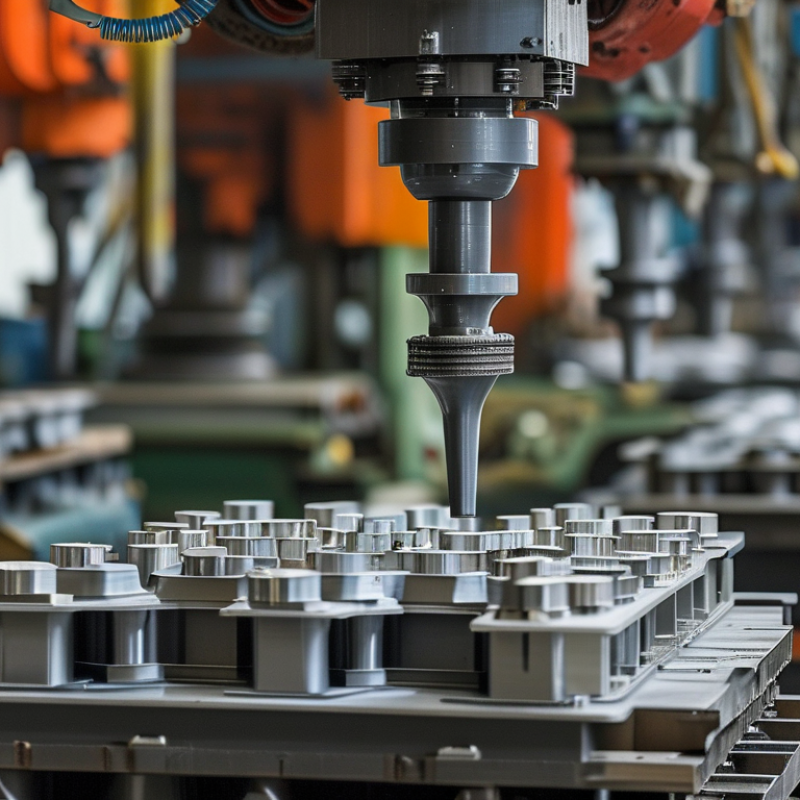
Injection molding tooling is a critical component in the manufacturing process. The quality of the tooling directly impacts product integrity and production efficiency. Buyers should prioritize understanding how tooling affects their overall production. Each tool must be tailored to meet specific design requirements, which can vary widely.
Tips: Always assess the material selection for your tooling. Different materials can alter the durability and functionality of your mold. Consider factors like wear resistance and thermal properties to ensure long-lasting performance.
Moreover, it’s essential to communicate effectively with your tooling supplier. Clear specifications and expectations can prevent misunderstandings. Often, buyers overlook the importance of providing detailed designs and production volumes. This oversight can lead to increased costs and longer lead times.
Tips: Regularly evaluate your tooling performance. Track any issues and discuss improvements with your supplier. Continuous communication fosters better relationships and results in superior tooling solutions.
Key Factors Influencing Costs in Injection Molding Tooling
When considering injection molding tooling, various factors influence the overall costs. Material selection plays a significant role. High-quality materials might increase initial costs but can enhance durability. Cheaper options may save money upfront but can lead to higher long-term expenses due to maintenance and replacements.
Design complexity is another key factor. A simple design can reduce tooling costs significantly. Complicated designs may require advanced technologies, resulting in higher expenses. Always weigh the costs against the product’s market demand and expected lifespan.
Tips: Collaborating with experienced engineers can streamline the design process. They can help identify cost-effective solutions early on. Additionally, consider the production volume. Higher quantities can reduce per-unit costs, making it easier to justify higher investment in tooling.
Quality control measures are crucial. Investing in robust quality checks can prevent defects and rework, ultimately saving money. Focus on creating a balance between quality and cost. Reflect on outcomes regularly to ensure the chosen approach remains effective.
Evaluating Material Selection: Impact on Tooling Performance and Durability
Material selection is a critical factor in the performance and durability of injection molding tooling. Various materials impact the tooling's lifespan, cost-efficiency, and overall effectiveness. For instance, steel is often favored for its strength and resistance yet can be costly. When selecting materials, consider the specific application requirements and the environmental factors the tooling will face.
Tips: Always assess the intended production volume. High-volume runs might justify the expense of premium materials, while low-volume jobs may benefit from economical options. Engage with materials experts to explore composite options if needed. Material advancements have led to innovative choices that could enhance performance without dramatically increasing costs.
Additionally, the surface finish of the tooling plays a significant role in both aesthetics and functional aspects. Higher quality finishes can reduce friction and wear, extending the tooling's lifespan. However, achieving perfect finishes can be time-consuming and costly. Reflecting on these trade-offs helps in making informed decisions. Proper evaluation of your priorities—cost, durability, and aesthetics—can significantly influence the long-term efficiency of your tooling investments.
Impact of Material Selection on Tooling Performance and Durability
Common Challenges in Injection Molding Tooling: Solutions and Best Practices
Injection molding tooling presents various challenges that global buyers often encounter. A recent report from the American Society of Mechanical Engineers highlights that 70% of companies face difficulties with tool design and production timelines. These delays can decrease competitiveness and impact overall project success. Understanding tooling materials, processes, and maintenance is crucial in overcoming these hurdles.
Quality assurance is another critical aspect of injection molding tooling. The same report indicates that nearly 65% of manufacturers experience issues with dimensional accuracy and surface finish. Implementing best practices, such as regular tool inspections and utilizing advanced software for mold simulations, can mitigate these concerns. Exploring options for materials that enhance durability and performance can make a significant difference in final product quality.
Buyers must also consider the communication gap with suppliers. A survey conducted by the Injection Molding Association found that 60% of projects faced misalignment in expectations. Establishing clear requirements and timelines can prevent misunderstandings. Regular check-ins during the project lifecycle can ensure all parties remain aligned. Leveraging technology for virtual meetings and updates may further enhance collaboration and transparency in the process.
Emerging Technologies in Injection Molding Tooling: Trends for Global Buyers
Emerging technologies in injection molding tooling are shaping the future for global buyers. Industry reports show that 35% of manufacturers are adopting advanced technologies. New materials and processes are driving efficiency. For instance, additive manufacturing integrates with traditional tooling methods. This hybrid approach reduces lead times and costs.
Another trend is the rise of smart tooling. IoT-enabled sensors enhance monitoring during production. These tools provide real-time data, improving quality control. A recent study indicated that companies using smart tooling experience a 20% decrease in defects. However, the implementation of these technologies can be complex. Training and initial investments may deter some buyers.
Sustainability also plays a crucial role. Eco-friendly materials and energy-efficient processes are gaining traction. A report from the Plastics Industry Association highlights that 70% of buyers consider recyclability in their selection criteria. Yet, not all sustainable options meet cost-effectiveness expectations. This imbalance invites discussions on how to bridge the gap. Exploring these emerging technologies challenges traditional methodologies and encourages innovation.