Choosing among the 10 best rubber injection molding manufacturers takes more than comparing equipment lists. The right partner must understand your compound, part geometry, production volume, and quality requirements. A seal with a thin lip, for example, may need different tooling and process controls than a thick vibration-damping mount.
Manufacturing quality expert W. Edwards Deming said, “Quality comes not from inspection, but from improvement of the production process.” That principle matters in rubber injection molding. Consistent parts depend on controlled material preparation, mold temperature, injection pressure, and cure time—not just final inspection. Ask manufacturers how they monitor these variables and respond when a batch drifts out of specification.
Look for evidence, not confident promises. Useful signs include clear process documentation, relevant experience with your elastomer, and practical support during sampling and scale-up. Request details about mold design, inspection methods, production capacity, and communication. A polished sample is helpful, but it cannot show how reliably a supplier will run thousands of parts.
Details matter.
No supplier is ideal for every project. Some excel at complex tooling; others may offer stronger engineering support or suit smaller production runs. This guide compares 10 manufacturers and highlights factors that can help narrow your shortlist. Treat rankings as a starting point, not a substitute for reviewing specifications, samples, and project needs. Even a careful comparison can miss something. That is worth checking before committing.
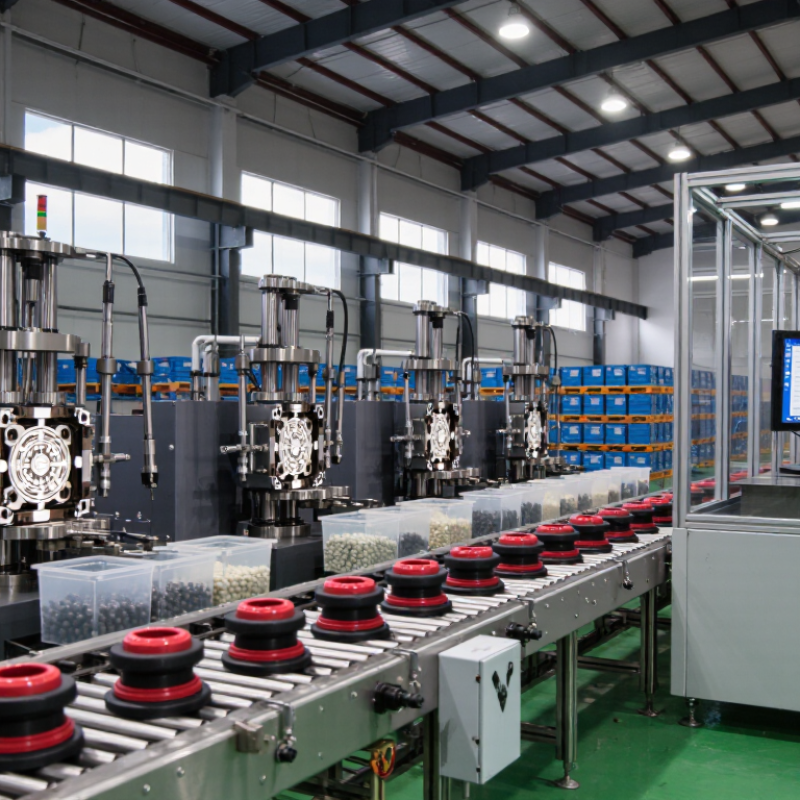
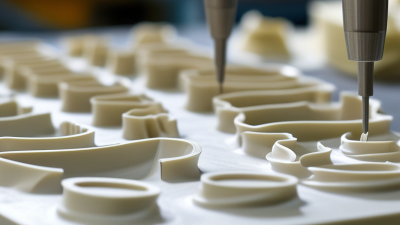
Rubber parts look simple. They rarely are. A rubber injection molding manufacturer turns a drawing and performance requirements into repeatable molded components. Teams select a compound for factors such as temperature, oil exposure, flexibility, and expected wear. They then design a mold with suitable gates, vents, and cavity dimensions. Small design choices matter: trapped air can leave a surface blemish, while poor curing can weaken a seal.
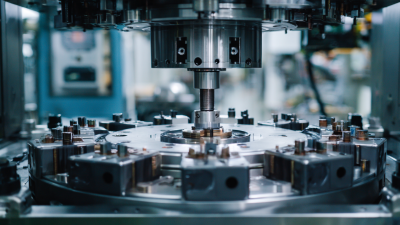
During production, uncured rubber is heated and injected into a closed, heated mold. The material cures under controlled conditions, then operators remove and inspect each part. Manufacturers monitor temperature, pressure, cure time, and material batches. Quality checks may include dimensions, hardness, tensile strength, and compression set. ASTM D395, for example, describes methods for measuring compression set in rubber. That test helps assess whether a component can recover after prolonged compression.
Grand View Research’s 2024 Rubber Market report estimated the global rubber market at USD 46.9 billion in 2023. That figure covers rubber broadly, not injection molding alone, but it signals the scale of material demand. A capable manufacturer should connect process controls to the part’s actual service conditions, rather than promise one compound works everywhere. Even a well-run process can need adjustment when a new batch behaves differently. That part gets overlooked.
A practical comparison of common rubber injection molding capabilities by application. Materials and part requirements vary by design; confirm specifications with each manufacturer.
| Application Area | Common Elastomers | Typical Molded Parts | What the Manufacturer Does | Key Capability to Evaluate |
|---|---|---|---|---|
| Automotive sealing | EPDM, silicone, NBR | Gaskets, plugs, boots, seals | Molds elastomer parts designed to resist weather, fluids, vibration, or compression. | Dimensional control, material traceability, and production consistency |
| Electrical and electronics | Silicone, EPDM, fluorosilicone | Cable grommets, keypads, insulating seals | Produces flexible molded components that help protect assemblies from dust, moisture, or contact damage. | Flash control, clean handling, and electrical-grade material documentation |
| Medical and healthcare devices | Silicone, EPDM, selected thermoset elastomers | Valves, diaphragms, seals, device components | Molds parts to defined drawings and material specifications; some projects require controlled production environments. | Quality-system documentation, cleanliness controls, and validated inspection methods |
| Fluid handling and plumbing | EPDM, NBR, silicone | O-rings, valve seals, diaphragms, connectors | Forms sealing components for applications involving water, air, or specified process fluids. | Fluid compatibility, leak-related testing, and controlled cure conditions |
| Industrial machinery | NBR, HNBR, EPDM, silicone | Bumpers, vibration isolators, seals, protective covers | Produces molded components that can provide sealing, cushioning, or vibration-damping functions. | Compound selection support, tooling durability, and repeatable part inspection |
| Aerospace and transportation | Silicone, fluorosilicone, fluorocarbon rubber | Seals, grommets, vibration-control parts | Molds application-specific parts using materials selected for defined environmental and performance requirements. | Lot traceability, documented inspection, and ability to meet customer specifications |
| Consumer products | Silicone, EPDM, natural rubber, TPE where appropriate | Grips, feet, buttons, flexible covers | Molds functional or tactile components, often with attention to appearance and efficient high-volume production. | Surface finish, color consistency, cycle efficiency, and defect control |
| Oil and gas equipment | NBR, HNBR, FKM, selected specialty compounds | Seals, packers, gaskets, protective components | Manufactures molded parts for specified exposure to oils, chemicals, pressure, or temperature. | Verified compound properties, application testing, and process documentation |
| Food and beverage equipment | Food-contact-grade silicone or EPDM, where specified | Seals, gaskets, valve parts, flexible connectors | Molds components from compounds selected for the intended food-contact conditions and applicable requirements. | Material compliance evidence, contamination controls, and cleanable part design |
| Construction and building systems | EPDM, silicone, neoprene (CR) | Weather seals, gaskets, vibration pads, cable entries | Produces molded parts for sealing, weather resistance, cushioning, or component protection. | Outdoor-aging requirements, dimensional fit, and suitability for the specified environment |