
Blog

Why Choose a Roll Coating Machine for Your Business?

Choosing a Roll Coating Machine can affect product consistency, material use, and daily production flow. The right system applies coatings evenly across sheet or web materials, from paper and film to metal or wood panels. A smooth finish matters. So does a stable coating weight. Small variations can lead to visible streaks, uneven drying, or costly rework.

The best choice depends on the material, coating, and production target. Consider working width, line speed, viscosity range, and the thickness you need to apply. Ask how quickly operators can adjust the rollers and clean the machine between runs. These details shape real production, not just the equipment brochure. A coating line that performs well on one substrate may need adjustment for another. Test trials can reveal that early.

There is no single machine that suits every business. A lower purchase price may look attractive, but maintenance access, spare-part availability, and operator training also affect long-term costs. Be candid about your current limits. If your team has little coating experience, a complex system may create problems before it improves output. Review sample results, service support, and safety features with qualified suppliers. Then compare options against measurable production needs. A careful decision takes time. Sometimes the first choice needs a rethink. That is better than discovering a mismatch after installation.
Why Choose a Roll Coating Machine for Your Business?

What a Roll Coating Machine Is and How It Works

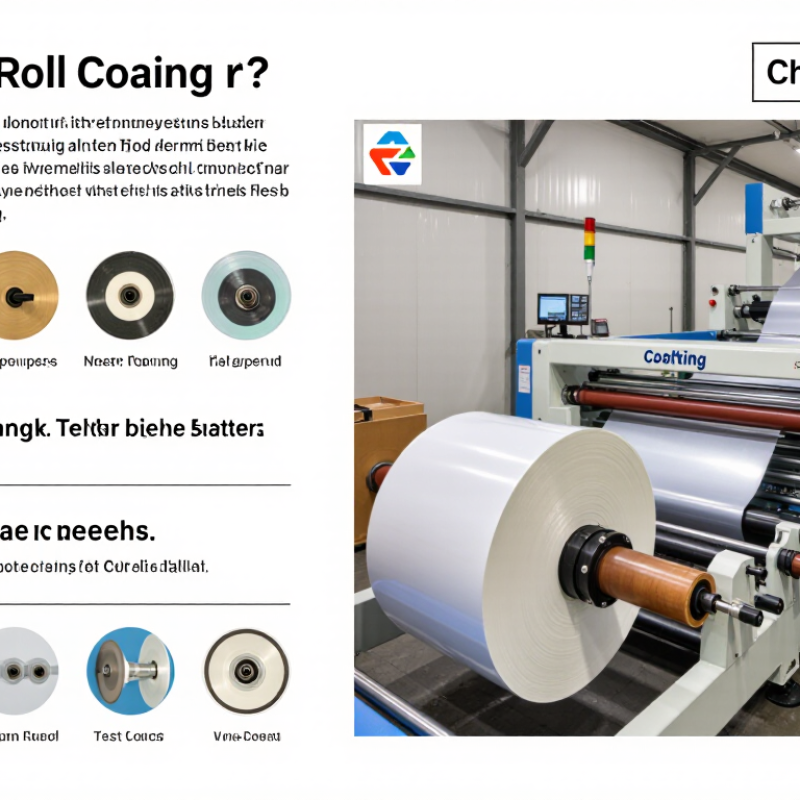
A roll coating machine transfers a controlled layer of liquid onto a moving material, such as paper, film, foil, or fabric. Its main parts typically include a coating roll, a supporting roll, and a way to feed and guide the material. Some machines also include a drying section. The exact layout depends on the coating and substrate.

Here’s the basic process. The material travels between rollers while one roller carries the coating liquid. A measured gap, roller speed, or metering roll helps control how much liquid reaches the surface. The coated web then moves onward, often through an oven or other drying system. Small changes matter. Coating thickness can shift with liquid viscosity, line speed, roller pressure, and web tension. Operators check the surface for streaks, bare spots, or uneven edges and adjust the settings.

In practice, the first setup is rarely perfect. A sample run can reveal problems that settings alone do not predict, especially when a material stretches or absorbs liquid differently than expected. That detail is easy to overlook. Careful trials, stable material feeding, and routine roller checks help produce a more consistent finish.

Key Components and Coating Process

A roll coating machine uses a coordinated set of rollers to apply a controlled layer of liquid onto a moving sheet. The unwind station feeds paper, film, metal foil, or another flexible substrate into the coating area. Tension controls help keep the web steady and reduce wrinkles. Small changes matter.

The coating head typically includes an application roller and a metering system, such as a doctor blade or a second roller. These parts regulate how much material reaches the substrate. A backing roller supports the web as it passes through the contact zone. Operators can adjust roller gaps, pressure, and line speed to influence the coating weight and surface finish. Results also depend on the liquid’s viscosity and the substrate itself.

During production, the web unwinds, passes through the coating station, and then travels to a drying or curing section. The finished material is rewound for handling or later processing. Monitoring tension, coating appearance, and edge alignment can help catch issues early. A sample run is useful before committing to a full roll. That takes testing. Settings that work for one material may not transfer cleanly to another, and that part is easy to underestimate. Drying capacity also needs to match the chosen coating and production speed.

Business Benefits of Roll Coating Technology

Why Choose a Roll Coating Machine for Your Business?
Business Benefits of Roll Coating Technology

Roll coating can help manufacturers apply an even layer of paint, adhesive, or protective finish across flat materials. A controlled gap between rollers helps regulate film thickness and reduce avoidable variation. On a production line, that consistency may mean fewer rejected panels and less coating wasted in trays or spray drift. It can also support repeatable results across wood sheets, metal panels, and flexible substrates. The outcome still depends on material, viscosity, line speed, and operator setup.

For businesses, practical benefits include steady throughput, measurable coating use, and easier process adjustments. Operators can record roller settings and compare samples from different shifts. This makes troubleshooting more specific than simply saying a finish “looks off.” Roll systems can also fit continuous production, though cleaning and changeovers take time. That part is easy to underestimate. A machine alone will not fix poor surface preparation or inconsistent incoming stock.

Tips: Start with a small test run using your actual material and coating. Check coverage at the edges and center, then measure dry-film thickness after curing. Keep notes on roller pressure, speed, and coating temperature. If the finish shows streaks, adjust one variable at a time. Ask a qualified process technician to verify settings before increasing line speed. Some trials may fail. That is useful data, not wasted effort.

Industries and Materials Suited to Roll Coating

Why Choose a Roll Coating Machine for Your Business?

Industries and Materials Suited to Roll Coating

Roll coating works well for businesses that apply an even finish across flat sheets or continuous webs. Packaging producers may coat paper, cardboard, and flexible films with protective layers or adhesives. Furniture and flooring manufacturers often use it on wood panels, veneers, and decorative surfaces. Metal processors can coat flat sheets with primers or finishes before further production. The method suits steady, repeatable work. Complex shapes are a different story.

Tips: Match the coating to the substrate. Check viscosity, drying or curing needs, and line speed before setting production targets. Run small trials on the actual material. Look closely for streaks, edge buildup, or missed areas. Test first.

Textiles, paper, foil, plastic film, and engineered wood can all be candidates, depending on surface condition and coating chemistry. A smooth sheet may coat predictably, while porous or uneven stock can absorb liquid at different rates. That detail matters. In practice, operators may need to adjust roll pressure and coating thickness as materials change. There is no universal setup, and a first trial may expose problems that a specification sheet misses.

Factors to Consider When Choosing a Machine

Why Choose a Roll Coating Machine for Your Business?

Factors to Consider When Choosing a Machine

Start with the material you plan to coat. Paper, film, foil, and flexible laminates can respond differently to roller pressure and coating viscosity. Measure your maximum web width and typical thickness before comparing machine specifications. Fit matters. A machine that is too wide may waste floor space, while a narrow one can limit future orders.

Consider the coating weight and consistency your products require. Ask how the system controls roller gaps, speed, and pressure, then request a trial using your actual material and coating. Look closely at the dried surface under good lighting. Streaks, pinholes, or uneven edges may appear only at your usual production speed. Specifications alone can be misleading. They do not always reflect real shop-floor conditions.

Also assess cleaning time, changeover needs, operator training, and access to replacement rollers or other parts. If your team often switches coatings, difficult cleanup can reduce productive hours. Check whether the machine fits your available power, ventilation, and floor layout. Measure twice. A practical choice may not be the fastest machine on paper; it is one your staff can run consistently and maintain without guesswork. A test run may still reveal an awkward step you missed. That is worth noticing before purchase.

Why Choose a Roll Coating Machine for Your Business? — Factors to Consider When Choosing a Machine

Selection Factor What to Evaluate Small-Batch Operation Growing Production Line High-Volume Operation
Substrate and product Identify the material, thickness, surface condition, flexibility, and finished-product requirements. Best suited to a limited number of well-defined materials and products. Consider a machine with adjustable settings for several material types or product sizes. Confirm the machine can consistently handle the full product range at the planned operating rate.
Working width Match usable roll width to the widest substrate, including edge-trim and alignment requirements. Indicative web widths may be around 300–600 mm. Indicative web widths may be around 600–1,200 mm. Indicative web widths may be around 1,000–1,600 mm or more.
Line speed Assess the required output together with coating quality, drying capacity, and changeover time. Lower-speed operation, often around 1–10 m/min, can suit trials and short runs. A planning range of roughly 5–30 m/min may suit regular production, depending on the coating. Some lines are designed for approximately 10–100 m/min; verify performance using the actual material and formulation.
Coating method and control Discuss the coating head and roll arrangement needed for the target coating pattern, uniformity, and application weight. Prioritize straightforward adjustment and easy cleaning for frequent product changes. Look for repeatable settings and controls that help operators maintain consistent application. Evaluate automated controls, monitoring, and integration with upstream and downstream equipment.
Coating material Provide the supplier with the coating’s viscosity, solids content, temperature range, and compatibility requirements. A simpler setup may be suitable when using one stable formulation. Check that the system supports the planned formulation range and cleaning procedure. Confirm material handling, recirculation, temperature control, and process monitoring where required.
Drying and curing Determine whether the coating needs drying, curing, cooling, or another post-coating step. Compact drying equipment may work for suitable coatings and slower line speeds. Size the drying or curing section for the required speed and coating formulation. Check available line length, energy demand, exhaust requirements, and achievable drying performance.
Changeover and cleaning Estimate how often products or coatings will change and how much downtime cleaning will require. Manual changeover may be acceptable for occasional, short production runs. Quick-access components and documented cleaning steps can reduce routine changeover effort. Evaluate changeover procedures, cleaning time, and the potential benefit of automation.
Floor space and utilities Allow for the coater, unwinding and rewinding equipment, drying section, operator access, and material handling. Confirm that the machine and safe operating access fit the available floor plan. Plan for expansion space and utility connections, including electrical and ventilation needs. Assess the complete production-line footprint, material flow, maintenance access, and utility capacity.
Safety and environmental controls Review guarding, emergency stops, ventilation, waste handling, and applicable local requirements. Provide safe access for loading, adjustment, cleaning, and maintenance. Check operator training needs and controls for the coating materials in use. For flammable or solvent-based materials, assess suitable ventilation and protective measures with qualified specialists.
Business case and support Compare purchase and operating costs with expected output, labor, maintenance, and production needs. Consider whether a simpler machine meets current demand without unnecessary capacity. Compare current requirements with likely production growth and available technical support. Evaluate uptime needs, spare-parts availability, service response, and the cost of production interruptions.

Note: Width and speed figures are indicative planning examples, not universal machine specifications. Actual capability depends on the substrate, coating formulation, coating method, drying or curing process, and equipment configuration. Confirm requirements through application testing and a detailed supplier specification.

Copyright © 2025 The Toolroom Inc. All Rights Reserved.
Website Design St Louis by IQComputing