What Is a Sewer Line Cleaning Machine?
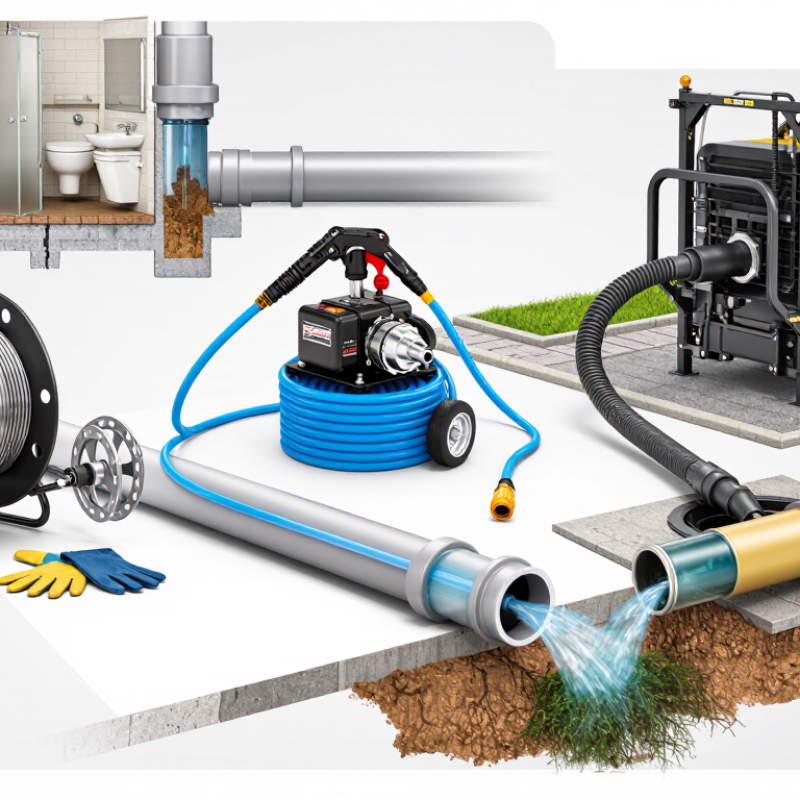
A Sewer Line Cleaning Machine is equipment used to remove blockages and buildup from drain and sewer pipes. The term covers several tools, not one universal design. Cable machines use a rotating cable and cutting head to break through roots, grease, or compacted debris. High-pressure water jetters use a hose and nozzle to scour pipe walls and move loosened material downstream. Some machines are compact enough for indoor drain work; others are built for larger lines and demanding jobs.
The right choice depends on pipe diameter, blockage type, access, and the condition of the line. That matters. A powerful machine is not automatically the safest or most effective option, especially in older or damaged pipes. Operators typically consider the pipe material, use suitable protective equipment, and follow the machine maker’s instructions. A camera inspection can also help reveal what caused a recurring obstruction, though it does not replace sound judgment. Not always.
This guide explains how these machines work, where common designs differ, and what features may matter when selecting one. It also covers practical limitations, including the fact that cleaning removes debris but may not repair cracks, displaced joints, or other structural problems. Names and specifications vary by manufacturer, so readers should check product documentation rather than rely on labels alone. In practice, the small details—such as cable reach, nozzle fit, and access space—can shape the outcome more than a machine’s headline power rating.
Definition and Purpose of a Sewer Line Cleaning Machine
A sewer line cleaning machine is equipment used to remove buildup and obstructions from drain and sewer pipes. Some machines turn a flexible cable with a cutting head; others push high-pressure water through a hose. The right method depends on pipe size, material, access, and the type of blockage. The purpose is to restore flow by loosening or flushing away grease, sludge, roots, and debris. It is not an inspection camera. Cleaning may improve drainage, but it cannot repair a cracked, collapsed, or poorly aligned pipe.
In practice, an operator feeds the cable or hose into the line and works toward the blockage. A floor drain may clear quickly, while a long outdoor line can take more careful passes. The removed material needs somewhere to go, so the work area should be prepared to manage splashes and wastewater. A recurring clog deserves attention. One cleaning may restore flow, but it may not address the underlying cause.
Tips: Match the machine and attachment to the pipe and obstruction. Avoid forcing a cable around a bend; it can damage the pipe or become stuck. If flow remains slow, or clogs return, consider a camera inspection before repeating the cleaning.
Main Components and How They Work
What Is a Sewer Line Cleaning Machine?
Main Components and How They Work
A sewer line cleaning machine uses mechanical force, water, or both to loosen and move deposits. In a cable machine, an electric motor turns a drum holding a flexible steel cable. A foot pedal controls rotation, while a feed mechanism advances or retracts the cable. At its tip, a cutter head breaks up roots, grease, or compacted debris. The operator must match the head to the blockage; more force is not always better. A damaged pipe can make an aggressive pass costly.
A water-jetting unit has a pump, pressure controls, hose, and nozzle. The pump sends water through the hose, and rear-facing nozzle jets propel it while washing residue toward an access point. EPA’s 2004 Report to Congress estimated 23,000–75,000 sanitary sewer overflows annually in the United States. That historical estimate shows why reliable maintenance matters, but cleaning equipment alone cannot fix structural defects. It can miss them, too.
Tips: Start with a suitable access point and inspect the pipe when conditions allow. Wear eye and hand protection. Use steady cable feeds, and avoid forcing a stalled cutter. For jetting, confirm hose and nozzle ratings before pressurizing. A simple log of blockage location, debris, and tool used helps guide the next service call.
What Is a Sewer Line Cleaning Machine?
Main components and how they work together
A cable-type sewer line cleaning machine uses a motor or engine to turn a drum and flexible cable. A feed mechanism guides the cable into the pipe, while an attached cutting head breaks up or retrieves obstructions. The chart shows the typical operating sequence; step numbers indicate order, not measured performance.
Common Types of Sewer Line Cleaning Machines
What Is a Sewer Line Cleaning Machine?
Common Types of Sewer Line Cleaning Machines
Sewer line cleaning machines remove blockages and buildup using rotating cables, pressurized water, or suction. Cable machines turn a steel cable fitted with a cutting head. They work well on localized clogs, such as roots or compacted debris. The operator feels resistance through the cable, but that feedback is not a diagnosis. A cable can clear a passage without cleaning the pipe walls.
Water-jetting machines send high-pressure streams through specialized nozzles to loosen grease, sediment, and scale. The rear-facing jets help pull the hose forward and flush debris downstream. Combo machines pair jetting with vacuum extraction, collecting loosened material in a tank. They are useful when debris needs to be removed rather than simply shifted. The choice is rarely neat. Pipe diameter, material, access, and the type of blockage all matter.
The need for maintenance is substantial. The U.S. Environmental Protection Agency’s 2022 Clean Watersheds Needs Survey estimated $630.1 billion in wastewater infrastructure needs over 20 years. An earlier EPA Report to Congress estimated 23,000 to 75,000 sanitary sewer overflows annually; this is a historical estimate, not a current count. Those figures show why cleaning and inspection belong together. A machine may restore flow, yet a camera inspection can reveal cracks or recurring root entry. And sometimes, the cause remains unclear.
How Sewer Line Cleaning Is Performed
What Is a Sewer Line Cleaning Machine?
How Sewer Line Cleaning Is Performed
A sewer line cleaning machine removes buildup and blockages from drain and sewer pipes. Some machines use a rotating cable with a cutting head. Others use controlled high-pressure water to loosen grease, sediment, or roots. The right method depends on the blockage and the pipe’s condition.
A technician typically locates an access point, such as a sewer cleanout, and checks the line before choosing equipment. With a cable machine, the operator feeds the rotating cable into the pipe in short, controlled steps. The cutting head breaks apart or retrieves material. With water jetting, a hose directs water through the pipe to scour its interior. Not every pipe can safely handle the same pressure. After cleaning, the technician may flush the line and use a camera to check for remaining debris or damage. Then comes the check. A clear flow is useful, but it does not prove the pipe is structurally sound.
Tips: Keep the work area clear and avoid forcing a cable through resistance. Ask what inspection will confirm the result. If backups return, the line may have a deeper obstruction or a damaged section; cleaning alone may not fix it. Sewer work can expose people to contaminated water and hazardous gases, so trained professionals should handle the equipment and safety checks.
Typical Applications and Safety Considerations
Sewer line cleaning machines are used to clear blockages in building drains and underground pipes. Cable machines can cut through roots, paper, and compacted debris, while water-jetting equipment can flush grease and loose sediment from pipe walls. A technician may choose a smaller cable for a narrow branch line or a larger machine for a main sewer. The right choice depends on pipe diameter, material, access, and the blockage itself. A camera inspection can help locate the problem and reveal cracks or offsets. Cleaning is not a repair. That distinction is easy to miss.
Safety starts before the machine is switched on. Operators should inspect cables, hoses, guards, and electrical connections, then keep bystanders clear of the work area. Wear eye protection, sturdy footwear, and fitted gloves suited to the equipment; loose clothing can catch in moving parts. High-pressure water can cause severe injury, so never point a jet at a person or use a damaged hose. Sewer gases may collect in low or enclosed areas. Use appropriate gas monitoring and ventilation, and do not enter a manhole without proper confined-space training and controls. Older or fragile pipes may worsen during aggressive cleaning. Sometimes the cautious choice is a slower inspection first.