
A Lifted Golf cart sits higher than a standard model because its suspension, frame, or both have been modified. Larger tires often complete the setup. The result is easy to spot: more space beneath the chassis, a taller seat, and a wider view over uneven ground. Lifted Golf builds may suit private paths, campsites, and rougher recreational terrain. But added height does not automatically mean better performance.
The broader market is growing. Grand View Research valued the global golf cart market at about $2.14 billion in 2023; that figure covers golf carts generally, not lifted models alone. The National Golf Foundation reported 26.6 million on-course golfers in the United States in 2023, a useful sign of golf’s reach, but not a direct measure of lifted-cart demand. Details matter. A lift can change handling, braking feel, and the cart’s center of gravity. Bigger tires may also affect range and acceleration. One rough patch tells you little.
A reliable explanation should separate manufacturer specifications from owner impressions. I can’t verify a named Lifted Golf specialist’s published statement from the information provided, so I won’t invent a quotation. That restraint matters. Before choosing a lifted cart, check its lift type, tire size, intended terrain, and service guidance. The right setup depends on where—and how—you plan to drive.
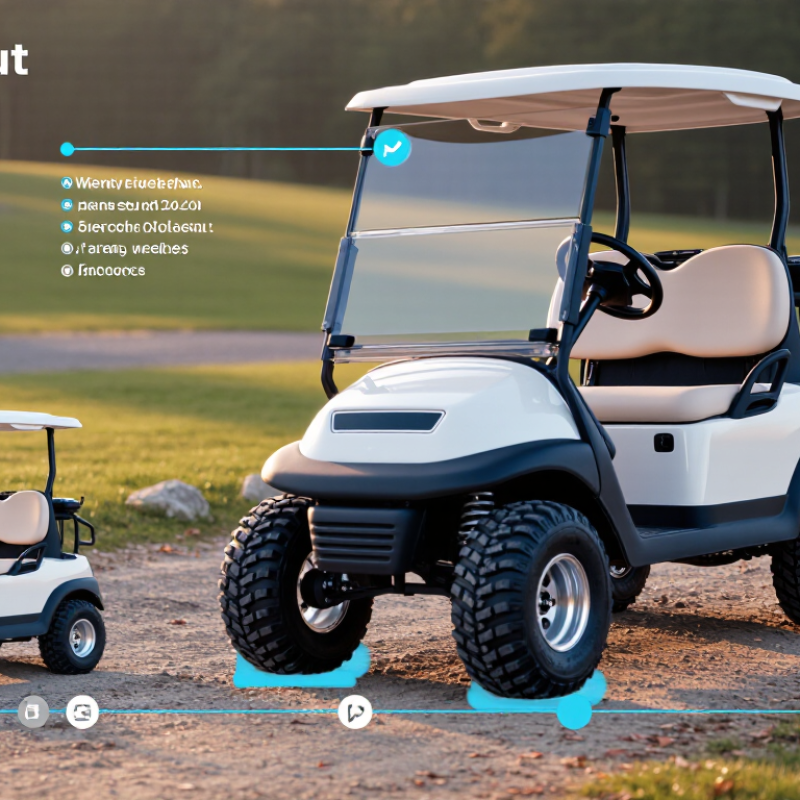
A lifted golf cart has increased ground clearance, usually through modified suspension or axle components and taller tires. The change raises the chassis above the ground; it does not simply mean fitting larger wheels. You may notice more space beneath the frame and a higher step into the seat. Some owners choose this setup for uneven paths, grass, or gravel. But “lifted” describes a modification, not a standardized vehicle class.
The details matter. A suspension lift changes ride height and may affect handling, braking, and stability, especially on slopes or during sharp turns. Taller tires can also alter gearing and speedometer accuracy. As a useful safety distinction, NHTSA’s Federal Motor Vehicle Safety Standard No. 500 defines low-speed vehicles by specific criteria, including a maximum speed of 25 mph and a gross vehicle weight rating under 3,000 pounds. A lift kit alone does not make a golf cart a compliant low-speed vehicle. Fitment and intended use should be checked carefully.
Tips: Check tire clearance at full steering lock, inspect suspension fasteners regularly, and ask a qualified technician to assess changes in handling. A cart that looks taller may feel less predictable. That deserves a second thought.
What Is a Lifted Golf Cart?
A lifted golf cart has extra clearance between its chassis and the ground. The lift system raises the chassis relative to the wheels, often creating room for larger tires and helping the cart cross uneven paths. It does not simply make the tires bigger. The suspension or axle geometry must change too.
How Golf Cart Lift Systems Raise the Chassis
Different systems achieve lift in different ways. A spindle or A-arm setup changes how the wheels connect to the suspension. A block-style lift adds height at specific mounting points. The right method depends on the cart’s design and intended use. On a workbench, the change can look simple; on the trail, altered geometry may affect steering, stability, and ride comfort. Higher is not always better. A raised center of gravity can make sharp turns feel less settled, especially on slopes. Tire clearance, wheel alignment, and any affected brake or steering components deserve careful checks after installation. Small details matter.
Tips: Measure clearance with the cart on level ground, then check again at full steering lock. Follow the lift maker’s fitment instructions, and ask a qualified technician to inspect the setup if you are unsure. Bigger tires may need more than extra space; they can also change how the cart accelerates and stops. That part is easy to overlook.
A lifted golf cart sits higher than a standard cart, usually because its suspension or axle has been modified. The extra clearance can help on uneven paths and make room for larger tires. Lift kits differ in how they create that height, and the design affects ride quality, steering, and installation.
Spindle lift kits raise the cart at the front by changing the spindle position. They are often a straightforward option for modest height increases, but they may not suit every cart or tire size. Drop-axle kits use a replacement axle to raise the frame while retaining much of the original suspension layout. A-arm kits replace or reposition suspension arms, often allowing more clearance and a broader range of tire fitment. They can involve more parts and careful alignment. Long-travel kits are designed for greater suspension movement, but added height alone does not guarantee a smoother ride.
Tips: Check your cart’s year, model, and existing suspension before choosing a kit. Ask a qualified technician to verify tire clearance, steering geometry, and brake-line reach after installation. Bigger tires can affect acceleration and braking. A taller stance may look useful, but it can also feel less stable in sharp turns. That trade-off is easy to underestimate.
A lifted golf cart has a suspension setup that raises the frame and often allows larger tires. The extra height can help the cart pass over shallow ruts, roots, or uneven paths without scraping its underside. It does not make every obstacle safe to cross. Tire size, suspension design, and the cart’s load all affect the actual ground clearance.
Larger tires can add clearance, but they may also change how the cart steers and brakes. A taller cart can feel less stable during sharp turns, especially on slopes or with passengers aboard. Wider tires may improve traction on loose ground, though they can make steering feel heavier. Check that tires clear the body through a full turn, and follow the cart’s specified tire-pressure and load guidance. Small details matter.
Tips: Measure clearance at the lowest point before and after lifting. Test the cart slowly on familiar, level ground, then check steering, braking, and tire contact. A lift can look modest in a driveway but feel different on a side slope. Don’t assume more height always means better handling.
A lifted golf cart sits higher than a standard cart, often with larger tires and added ground clearance. That extra height can help on uneven paths, packed dirt, grass, or gravel. Owners may use one around large properties, campgrounds, farms, or outdoor work areas. A raised chassis can clear small ruts and roots more easily. It is not built for every trail.
The lift changes how the cart feels. A higher center of gravity can make sharp turns less stable, especially on slopes or at speed. Larger tires may also affect steering, braking, and acceleration. Ask a qualified technician whether the cart’s suspension, brakes, and power system suit the intended tire size. Check the maker’s specifications, too. Bigger is not automatically better.
Before choosing a lifted cart, measure narrow gates, storage doors, and trailer spaces. Consider how often it will carry passengers or tools; extra weight can change handling and range. On wet grass or loose gravel, slow down and leave more room for stopping. That matters. A lift can also make entry and exit harder for children or anyone with limited mobility. Think about the actual routes you use, not just the cart’s appearance.
| Topic | Typical Details | What to Consider |
|---|---|---|
| Definition | A lifted golf cart has a raised suspension or lift system that increases chassis clearance. Many setups also use larger tires. | Lift designs and the amount of added clearance vary. Confirm the cart’s specifications rather than judging by appearance alone. |
| Common lift height | Aftermarket lift kits commonly raise a cart by a few inches; the exact increase depends on the kit and vehicle. | More lift can change handling and may require compatible wheels, tires, steering parts, or other adjustments. |
| Typical uses | Uneven private property, large campuses, campgrounds, and some light-duty trails where motorized carts are permitted. | Check surface conditions and local access rules. A lifted cart is not automatically suitable for every off-road trail. |
| Ground clearance | Extra clearance can help reduce contact between the underside of the cart and bumps or shallow obstacles. | It does not make the cart a dedicated off-road vehicle. Avoid steep, unstable, or deeply rutted terrain unless the cart is designed and equipped for it. |
| Tires and wheels | Larger or more treaded tires are often paired with a lift to suit rougher surfaces. | Use tire and wheel sizes approved for the cart and lift system. Incorrect fitment can cause rubbing or affect steering and braking. |
| Stability and handling | A higher ride height can raise the cart’s center of gravity and change its handling compared with a standard-height cart. | Turn slowly, avoid abrupt maneuvers, and use extra caution on slopes or side hills. Keep passengers seated and within the cart’s capacity. |
| Braking and steering | Changes in tire size, weight, or suspension geometry can affect how the cart steers and stops. | Have the setup checked for correct alignment and component compatibility. Do not operate the cart if steering or braking feels abnormal. |
| Load capacity | A lift kit does not, by itself, increase the manufacturer’s passenger or cargo capacity. | Follow the cart’s stated load limit, including passengers and cargo. Added accessories also contribute weight. |
| Speed and performance | A lift does not automatically increase speed. Larger tires can change effective gearing and may affect acceleration or hill-climbing ability. | Do not assume the cart can safely travel faster after modification. Keep speed appropriate to the surface, load, and conditions. |
| Battery or fuel use | Heavier tires, added accessories, and rough terrain can increase the energy or fuel needed to operate the cart. | For electric carts, plan for potentially shorter range between charges. Actual range depends on battery condition, terrain, load, and driving habits. |
| Maintenance | Lifted carts may need regular checks of tires, suspension, steering, fasteners, and brakes. | Follow the vehicle and lift-system maintenance instructions, and inspect components more often after use on rough ground. |
| Street use | A lift does not make a golf cart street-legal. Requirements vary by location and may include equipment, registration, insurance, and operating restrictions. | Check local laws before using the cart on public roads. Do not assume equipment requirements are the same in every jurisdiction. |
| Best suited for | Owners who need additional clearance for permitted uneven surfaces and are prepared to maintain a modified vehicle. | Choose a lift based on the intended terrain, cart compatibility, passenger needs, and total ownership and maintenance costs. |
Note: Specifications and legal requirements vary by cart, lift system, and location. Check the vehicle documentation and local rules before modifying or operating a cart.
Copyright © 2025 The Toolroom Inc. All Rights Reserved.
Website Design St Louis by IQComputing