How to Use Bent-axis Motor in Modern Applications?
The Bent-axis Motor, known for its unique design, plays a vital role in modern applications. Often used in various industries, its efficiency and compact form make it popular. These motors are commonplace in hydraulic systems, robotics, and aerospace, where precision is critical.
A Bent-axis Motor operates on the principle of angle displacement. This feature allows for high power density compared to traditional motors. Yet, it presents challenges. For instance, optimizing torque at different speeds can be tricky. Users must carefully consider these aspects when integrating them into systems.
As technology advances, the demand for efficient solutions grows. The Bent-axis Motor meets this need, though it requires careful implementation. Understanding its strengths and weaknesses is crucial. Mistakes in application can lead to performance issues. Thus, it is essential to evaluate the motor’s characteristics thoroughly. Embracing the Bent-axis Motor may offer exciting opportunities, but it also demands deep reflection on the user's experience.
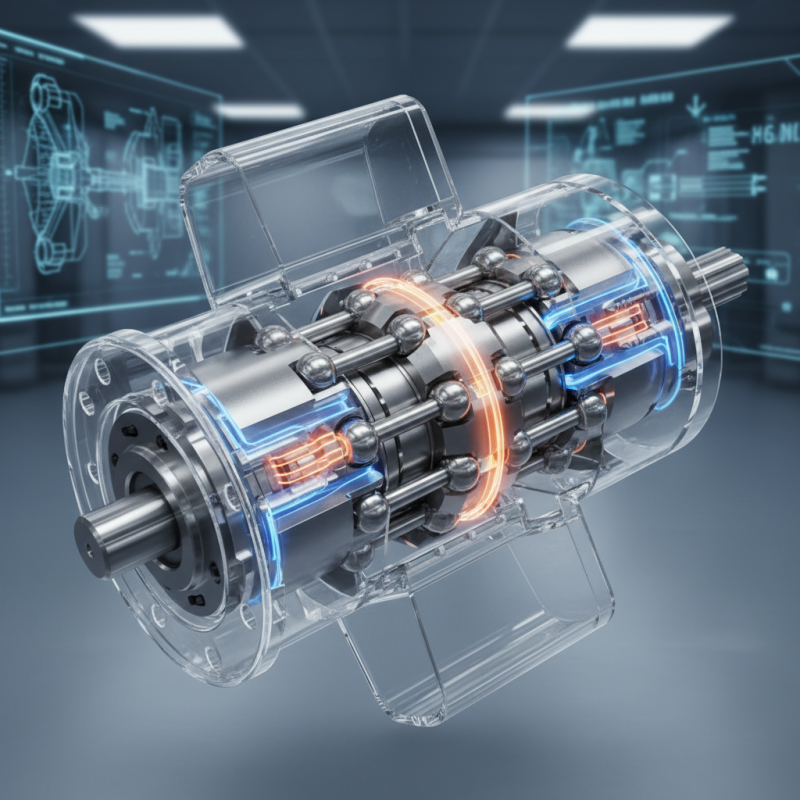
Overview of Bent-axis Motors and Their Functionality
Bent-axis motors are becoming increasingly popular in modern applications due to their unique design and functionality. These motors are characterized by a shaft that is offset at an angle, allowing for efficient hydraulic output. Their construction focuses on delivering high torque at low speeds, which makes them ideal for various industrial settings. Industries such as construction and agriculture utilize bent-axis motors for their ability to handle heavy loads effectively.
The functionality of bent-axis motors revolves around their hydraulic operation. They convert hydraulic energy into mechanical energy, enabling machinery to perform tasks efficiently. The angled design ensures a compact size, which helps in space-constrained environments. However, this design can sometimes lead to challenges in maintenance and installation. Ensuring proper alignment is key for optimal performance.
Users must also be aware of potential limitations, such as heat generation during operation. Overheating can lead to reduced efficiency and damage if not addressed. Proper monitoring and cooling systems are essential for longevity. Understanding these aspects can help in making informed decisions when integrating bent-axis motors into modern machinery.
Bent-axis Motor Performance in Various Applications
Key Advantages of Bent-axis Motors in Modern Industries
Bent-axis motors are increasingly popular in various modern industries. Their unique design offers key advantages for performance and efficiency. These motors generate high torque at low speeds. This makes them ideal for applications like industrial machinery and mobile equipment.
One significant benefit of bent-axis motors is their compact size. They can fit into smaller spaces where traditional motors may not. This opens up design possibilities for engineers. Additionally, these motors have excellent efficiency ratings. This means they consume less energy. Companies can save on energy costs while reducing their carbon footprint.
However, there are challenges. The initial cost of bent-axis motors can be higher compared to other types. Some users report that maintenance may be more complex.
It is crucial to weigh these factors before making a decision. Evaluating the specific application is important. This ensures that the benefits truly outweigh the potential drawbacks in a real-world context.
Applications of Bent-axis Motors in Robotics and Automation
Bent-axis motors have become essential in robotics and automation. Their unique design offers high efficiency and compactness. These motors are well-suited for applications requiring high torque in a small package. In robotic arms, they provide precise motion control, enabling intricate tasks. They power various actions, from delicate assembly work to heavy lifting, enhancing performance.
Tips: Always consider load requirements when selecting a motor. Proper sizing avoids overheating and ensures optimal efficiency. Note that improper installation can lead to performance issues.
In automated systems, bent-axis motors support conveyors and sorting machines. Their flexibility allows for integration into diverse setups. However, one must be cautious of vibrations. High vibrations can affect motor lifespan and reliability. Regular monitoring is crucial for sustaining performance and preventing failures. Their responsive nature is beneficial but demands careful design considerations to avoid flaws.
Performance Metrics: Efficiency and Longevity in Bent-axis Motors
Bent-axis motors are becoming pivotal in various modern applications. Their efficiency metrics are a key focus for engineers. Typically, these motors offer an efficiency rate exceeding 90%. In comparison, traditional motors only achieve around 85%. This significant advantage allows for increased energy savings over extended use.
Longevity is another important factor. Bent-axis motors can last 20-30% longer than their counterparts. A study indicated that regular maintenance can push their lifespan to over 30,000 hours. However, this is contingent on proper usage. Misalignment or incorrect fluid management can lead to premature wear. Thus, users must prioritize regular checks to maintain optimal performance.
Adopting bent-axis technology comes with its challenges. Cost considerations affect many companies. The initial investment may turn away potential users. Yet, the long-term benefits often outweigh these concerns. Data suggests that an efficient motor can reduce operational costs significantly. This balance between upfront cost and efficiency is crucial for decision-making in selecting motor technology.
Future Trends and Innovations in Bent-axis Motor Technology
Bent-axis motors are gaining attention in modern applications. Their unique design allows for increased efficiency and improved performance. As industries seek sustainable solutions, these motors are adapting to new technologies. They offer advantages in power density and control, making them suitable for various sectors. However, their design complexities can be challenging to address.
Future trends in bent-axis motor technology are promising. Innovations focus on advanced materials that enhance durability and reduce weight. Engineers are exploring smart integrations, allowing motors to interact with IoT devices. This leads to improved monitoring and predictive maintenance. The potential for automation in manufacturing environments is huge. However, challenges remain in ensuring compatibility with existing systems.
Furthermore, ongoing research aims to optimize performance while reducing manufacturing costs. Innovations often come with hurdles, like scalability and technical limitations. The industry must keep evolving to address these issues. Collaboration between engineers and researchers is vital. Continuous improvements are essential for the future of bent-axis motors in various applications.