Best Vibration Measuring Device Manufacturers in China?
Choosing the best Vibration Measuring Device manufacturers in China takes more than comparing prices or polished product pages. A compact accelerometer may suit a small motor, while a production line may need a wider frequency range, multiple measurement axes, and durable mounting hardware. Details count. So does calibration.
Vibration-analysis researcher Robert B. Randall’s published work highlights an important principle: measurements are useful only when interpreted in their operating context. That idea matters when assessing manufacturers. A clear specification sheet cannot replace suitable testing, traceable calibration, responsive technical support, and software that presents data in a usable form. Ask how a device performs near a running pump or gearbox, not only in a showroom demonstration. Check sample reports, connector options, and stated measurement limits.
This guide examines Chinese manufacturers through practical criteria, including product range, customization, quality documentation, and after-sales service. It aims to help engineers and purchasing teams compare suppliers without treating a low quote as proof of value. Some details may still be hard to verify remotely. That is worth admitting. Requesting test records and confirming application fit can reveal gaps before a device reaches the plant floor. The right choice depends on the machine, measurement task, and support required—not a single ranking.
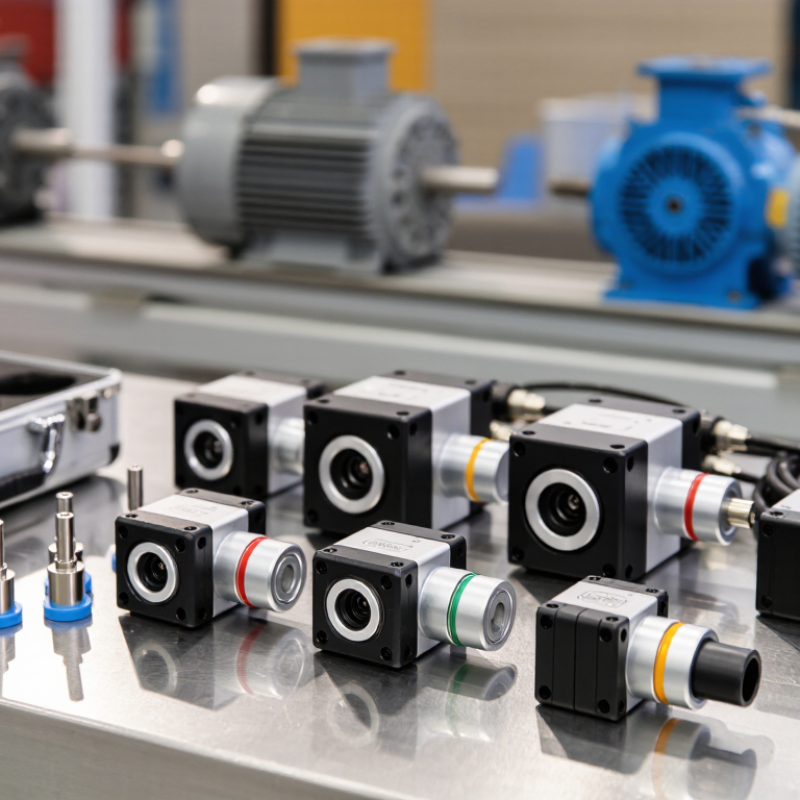
Types of Vibration Measuring Devices and Their Applications
Vibration measuring devices serve different jobs on a factory floor. A handheld vibration meter gives technicians a quick overall reading, often in velocity or acceleration. It suits routine checks on pump housings, fan bearings, and motor casings. Simple readings help flag change, but they rarely explain its cause. That matters.
Accelerometers capture vibration across a wider frequency range. Paired with a vibration analyzer, they can reveal spectral peaks linked to imbalance, misalignment, looseness, or bearing wear. Technicians commonly place sensors near bearing caps, where small changes can be tracked during normal operation. For continuous monitoring, permanently mounted sensors trend vibration over time and can alert staff when readings cross set limits. Laser Doppler vibrometers measure motion without contact, useful for lightweight or hard-to-reach structures. ISO 20816-1:2016 provides general guidance for measuring and evaluating machine vibration, though equipment and operating conditions still matter.
Device selection should match the machine, fault risk, and maintenance routine. The U.S. Department of Energy’s 2010 Operations & Maintenance Best Practices guide reports typical savings of 8–12% for predictive maintenance compared with preventive maintenance, and 30–40% compared with reactive maintenance. These are program-level estimates, not guaranteed savings from buying a sensor. A rushed reading can mislead; mounting position and machine load affect results. Trends are more useful than isolated numbers.
How to Evaluate Chinese Vibration Measurement Manufacturers
Best Vibration Measuring Device Manufacturers in China?
How to Evaluate Chinese Vibration Measurement Manufacturers
A capable manufacturer should explain how its instruments measure vibration, not just list features. Check the stated frequency range, measurement uncertainty, sensor compatibility, and operating temperature. Ask for calibration records and sample test reports. These documents help you judge whether specifications reflect actual inspection procedures.
Request a demonstration using a vibration source similar to your own equipment. Watch how readings change when the sensor is repositioned or the machine speed shifts. Ask how the device handles noise, data storage, and software updates. Clear answers matter. A polished presentation alone proves little. Even detailed documentation can leave gaps, so verify that the proposed model fits your measurement tasks before ordering.
Tips: Share your expected vibration range and test conditions. Compare a sample reading with a trusted reference instrument. Check response times for technical questions and replacement parts. One awkward detail: a supplier may meet every listed requirement but still be a poor fit for your workflow.
Leading Vibration Measuring Device Manufacturers in China
China’s vibration measuring device manufacturers produce handheld meters, accelerometers, and portable analyzers for machinery inspection. Strong suppliers explain how sensor range, frequency response, and measurement accuracy affect real readings. Ask how devices perform on a small motor, a pump bearing, or a machine with changing speed. Practical answers are more useful than broad claims.
Details matter. Request calibration documentation, sample reports, and guidance on mounting sensors consistently. A reading can shift when an accelerometer is placed near a bearing instead of on its housing. Reliable manufacturers should describe these limits and explain their testing procedures. They should also clarify software compatibility, data export options, and technical support after purchase. No brochure answers every question. That gap deserves scrutiny.
For buyers comparing suppliers, evaluate product specifications alongside service capacity and production quality controls. Ask whether the manufacturer can provide repeatable test results across units, not only a polished demonstration sample. Check how replacement sensors and repairs are handled. These points reveal how well a device may fit daily maintenance work. Even careful evaluations leave uncertainty; a short trial on your own equipment can expose issues that factory specifications do not show.
Comparing Product Features, Accuracy, and Support
Best Vibration Measuring Device Manufacturers in China?
Comparing Product Features, Accuracy, and Support
A useful comparison starts with the measurement task, not the feature list. For rotating equipment, check whether a device measures acceleration, velocity, and displacement across the frequencies your machines produce. A wide range looks impressive, but an unsuitable sensor or mounting method can distort readings. Small details matter. Ask for calibration records traceable to recognized standards, stated measurement uncertainty, and repeatability data—not just a headline accuracy figure. ISO 20816-1 provides guidance for evaluating machine vibration, but it does not certify a particular instrument or supplier.
Support is part of measurement quality. Ask how quickly a Chinese manufacturer can troubleshoot a sensor, replace a cable, or explain a confusing spectrum. Request a sample report and practical training using a real bearing or motor. The U.S. Department of Energy’s Operations & Maintenance Best Practices Guide (2010) estimates predictive maintenance can save 8–12% compared with preventive maintenance. That estimate is not a guarantee; results depend on equipment, staff, and implementation. I would still test shortlisted devices against the same reference source and operating conditions. A neat dashboard is helpful. Yet unclear calibration intervals or slow technical replies can undermine confidence, even when the first readings look convincing.
How to Choose a Manufacturer for Your Industry
Choosing a vibration measuring device manufacturer in China starts with your operating conditions, not a catalog. Decide whether you need acceleration, velocity, displacement, or overall machine-condition readings. A handheld meter for routine inspections differs from a sensor and analyzer for continuous monitoring. Record machine speed, temperature, dust exposure, mounting method, and required frequency range. Small details matter. Request calibration records, measurement uncertainty, and test reports for the exact model you plan to buy.
Tips: Share a real use case, such as checking a pump bearing at a defined speed. Ask for a sample test or demonstration. Confirm that the device’s software exports data in a format your maintenance team can use.
Review how the manufacturer checks incoming components, assembles units, and tests finished devices. Ask how technical questions, repairs, and replacement parts are handled after delivery. Compare these details alongside price and lead time. A polished specification sheet can still leave gaps; treat it as a starting point, not proof of performance. If possible, compare readings from a sample unit with a trusted reference instrument under similar conditions. The process takes time, and it may feel excessive for a simple meter. It is still useful when measurement results guide maintenance decisions.
Choosing a Vibration Measuring Device: Sample Waveform
This illustrative waveform represents a 50 Hz sinusoidal vibration with a peak acceleration of 2 m/s², sampled at 1,000 samples per second. When selecting a device, check that its sensor bandwidth covers the frequencies of interest and that its sampling rate is sufficient. The theoretical Nyquist minimum is twice the highest frequency being measured; practical systems also require suitable anti-alias filtering. This is a generated example, not field measurement data.