Top Trends in Plastic Injection Manufacturing to Watch for in 2025
As we look toward 2025, the landscape of plastic injection manufacturing is poised for significant transformation. This advanced method of production, renowned for its efficiency and versatility, is becoming increasingly sophisticated due to technological advancements and evolving market demands. Companies within the industry are adopting innovative solutions that enhance production speed, improve material efficiency, and reduce environmental impact. Understanding the emerging trends that will shape plastic injection manufacturing is essential for businesses aiming to maintain competitiveness and drive growth.
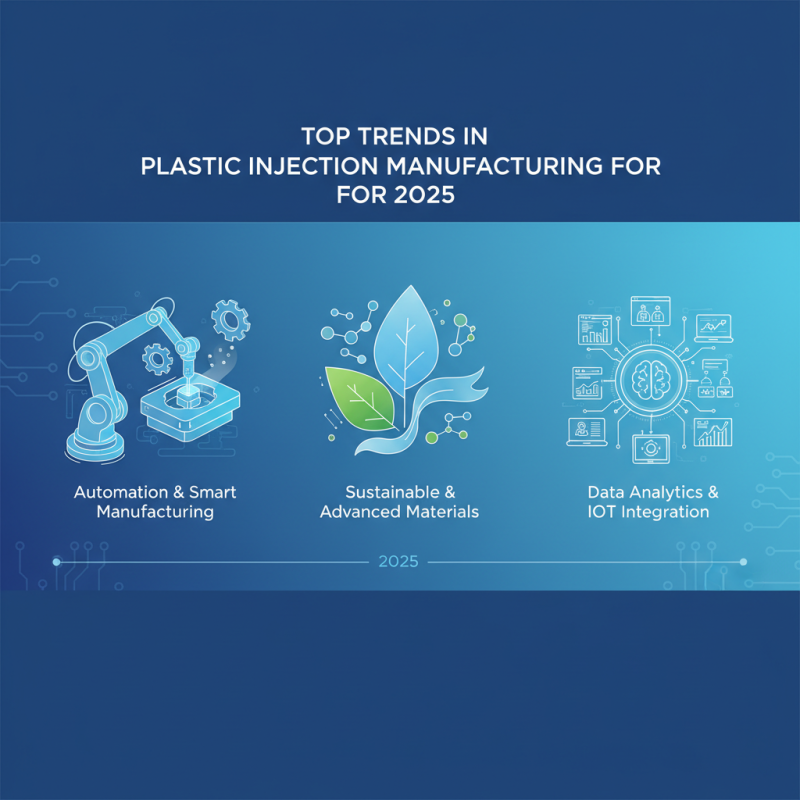
Key trends to watch include the rise of automation and smart manufacturing, which promise to streamline operations and minimize human error. Additionally, advancements in materials science are leading to the development of more sustainable and high-performance plastics, aligning with global sustainability goals. Moreover, the integration of data analytics and IoT technologies in plastic injection manufacturing processes is revolutionizing how companies approach quality control and resource management. As these trends unfold, they will redefine manufacturing standards, making it crucial for industry stakeholders to stay informed and adaptable.
Emerging Automation Technologies in Plastic Injection Manufacturing by 2025
As we look towards 2025, the integration of
automation technologies
in plastic injection manufacturing is set to revolutionize the industry.
One of the most significant trends is the use of
advanced robotics, which enhances efficiency
and precision in production processes. These robots are equipped with
machine learning capabilities that allow them
to adapt to varying production demands and optimize workflows. This adaptability not only
speeds up the manufacturing process but also significantly reduces the margin of error,
leading to higher quality products.
Another emerging technology is the implementation of IoT
(Internet of Things) devices that enable real-time monitoring and data analysis on the factory
floor. By connecting machinery to a centralized system, manufacturers can track performance metrics,
predict maintenance needs, and streamline operations. This
data-driven approach
allows for proactive decision-making and enhances operational efficiency.
Additionally, the use of 3D printing technologies
in conjunction with traditional plastic injection methods is opening up new avenues
for innovation, enabling the rapid prototyping of designs and lowering the cost of producing
small-batch or customized products. Together, these automation advancements herald
a new era in plastic injection manufacturing, fostering greater productivity and sustainability.
Sustainability Initiatives and Their Impact on Plastic Injection Processes
As the manufacturing landscape continues to evolve, sustainability initiatives are becoming central to the plastic injection molding sector. In 2025, companies are increasingly recognizing the necessity of adopting environmentally friendly practices throughout their production processes. This shift is driven by both consumer demand for greener products and regulatory pressures aimed at reducing plastic waste. Manufacturers are exploring the use of biodegradable materials and recycled plastics, enhancing their ability to minimize their carbon footprint while maintaining high-quality output.
Moreover, advancements in technology play a crucial role in shaping these sustainability initiatives. Innovations such as energy-efficient machinery and closed-loop systems help in reducing energy consumption and waste generation. Implementing smart manufacturing techniques, including IoT and automation, allows for more precise control over resource utilization, ensuring that production is not only efficient but also sustainable. As the industry moves towards a circular economy, the integration of these eco-friendly practices will redefine the standards of plastic injection manufacturing, aligning profitability with environmental responsibility.
Advancements in Materials: Bioplastics and Recycled Feedstocks in 2025
As we look toward 2025, the landscape of plastic injection manufacturing is set to undergo significant changes, particularly with the growing emphasis on sustainable materials. Bioplastics have emerged as a key player, offering a renewable alternative to traditional petroleum-based plastics. These materials, often derived from plant sources, not only reduce dependency on fossil fuels but also offer biodegradability, which can help alleviate the environmental burden associated with plastic waste. Manufacturers are increasingly exploring bioplastics to create products that align with consumer demands for eco-friendly solutions.
In parallel, the use of recycled feedstocks is gaining momentum. By repurposing existing plastics, manufacturers can reduce waste and energy consumption involved in producing new materials from scratch. This trend encourages a circular economy, where plastic products are designed with their end-of-life in mind, promoting recycling and reducing landfill overflow. Incorporating recycled materials into manufacturing processes not only contributes to sustainability but can also lead to cost savings in material procurement.
**Tips:** When considering bioplastics, assess their suitability for your application, including performance and cost. Additionally, when working with recycled feedstocks, ensure proper sorting and cleaning processes to maintain product quality. Engaging with suppliers early in the design phase can help streamline the integration of these innovative materials into your production workflow.
Top Trends in Plastic Injection Manufacturing to Watch for in 2025
This chart illustrates the predicted market share of various materials used in plastic injection manufacturing by 2025, highlighting the growing significance of bioplastics and recycled feedstocks.
Market Growth Projections for Plastic Injection Molding Industries
The plastic injection molding industry is projected to see significant growth in the coming years, driven by various factors including
technological advancements and increasing demand across multiple sectors. According to a report by
MarketsandMarkets, the plastic injection molding market was valued at approximately
$280 billion in 2020 and is expected to grow at a CAGR of around 5.5%, potentially reaching over
$400 billion by 2025. This growth is largely attributed to the rising need for
lightweight and durable components in automotive
and consumer goods applications, where plastic parts are favored for their processing efficiency and cost-effectiveness.
In addition, a report published by Mordor Intelligence suggests that the demand for
sustainable and eco-friendly manufacturing processes is influencing the market.
A significant portion of businesses in the injection molding sector is now focusing on using recyclable materials and reducing waste
throughout the manufacturing process. It’s estimated that the adaptations aimed at sustainability could add an additional
3-4% growth to the overall market by 2025. As industries continue to evolve, the injection
molding sector is set to embrace innovative technologies such as
additive manufacturing and automation, which will further enhance production
capabilities and efficiency, boosting market growth prospects significantly.
Innovative Design Techniques: 3D Printing Integration in Manufacturing Processes
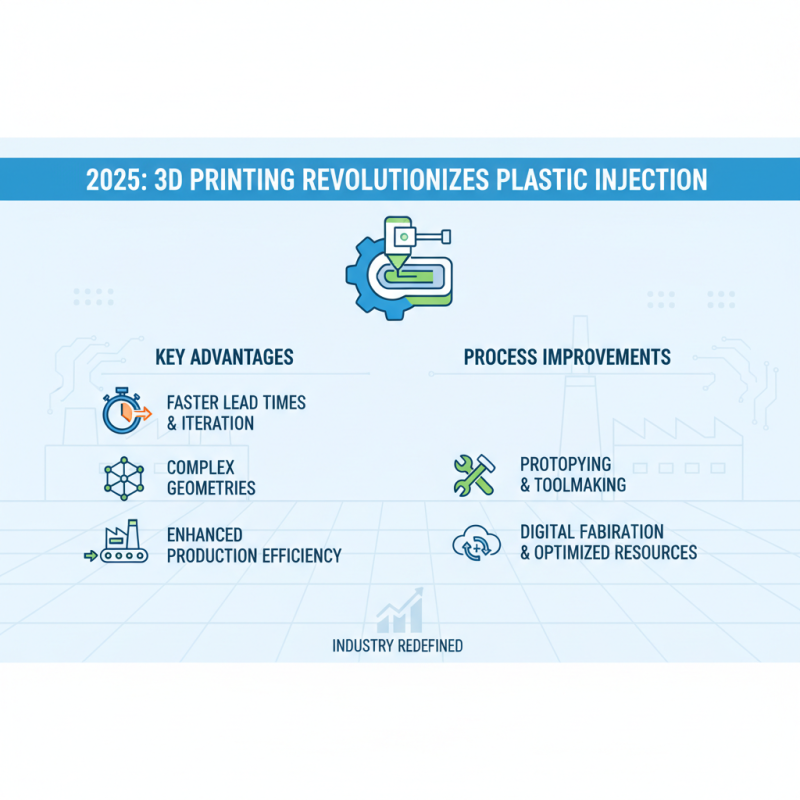
The integration of 3D printing technology into plastic injection manufacturing processes is poised to redefine the industry landscape by 2025. This innovative design technique not only enhances the efficiency of production but also allows for greater flexibility in creating complex geometries that traditional methods may struggle to achieve. By utilizing 3D printing for prototyping and tool making, manufacturers can reduce lead times significantly, leading to faster iterations and improved product development cycles. This shift towards digital fabrication creates opportunities to streamline workflows and optimize resource utilization.
Tips: When incorporating 3D printing into your manufacturing processes, consider running feasibility studies to identify which components will benefit most from hybrid approaches. Experimenting with various materials can also provide insights into performance and cost-effectiveness, ensuring that your designs are both innovative and practical.
Moreover, by merging 3D printing technologies with conventional injection molding, manufacturers can explore the use of lattice structures and lightweight designs. These advancements not only meet the growing demand for sustainability but also cater to the increasing requirements for lighter and more efficient products across various industries. Embracing this hybrid manufacturing approach can lead to cost savings and enhanced product performance, ultimately giving companies a competitive edge in the market.
Tips: To successfully adopt a hybrid manufacturing strategy, invest in staff training and development programs. Familiarizing your team with new technologies and techniques is crucial for maximizing productivity and ensuring quality outputs. Regularly assessing market trends can also help keep your processes aligned with consumer demands.