
Transformer Substations play a critical role in modern electrical systems. They help maintain efficient energy distribution and ensure the reliability of power supplies. As global demand for electricity rises, the need for advanced transformer substation solutions becomes essential.
Choosing the right transformer substation solution is not always straightforward. Factors such as capacity, location, and technology can complicate decision-making. Buyers often face challenges in selecting the best option for their specific needs. The market presents numerous solutions, each with unique benefits and drawbacks.
In this article, we will explore the top five transformer substation solutions available for global buyers. Each option is evaluated based on performance, cost-effectiveness, and adaptability to different environments. Understanding these solutions can guide buyers in making informed decisions. Ultimately, the right choice can enhance infrastructure and improve energy management.
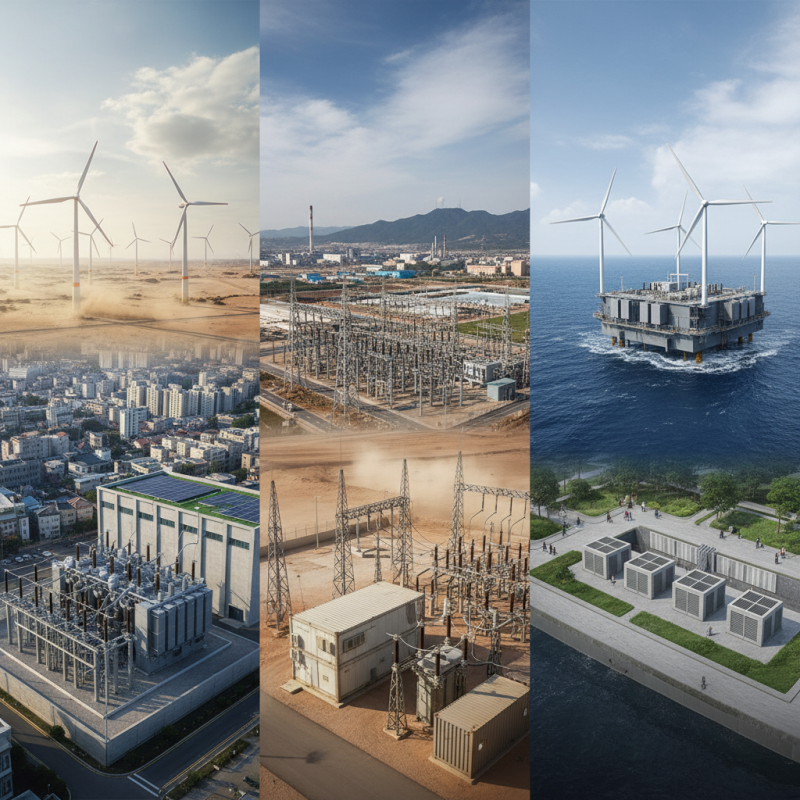
Transformer substations play a crucial role in electrical grid infrastructure. They facilitate the transformation of voltage levels for efficient energy distribution. According to a report by the International Energy Agency, the demand for electricity is projected to grow by 30% by 2040. This rise highlights the importance of reliable transformer solutions in meeting global energy needs.
Many countries are investing in advanced transformer technologies. For instance, digital substations are gaining traction. They utilize smart grid technology for enhanced monitoring and control. A recent study noted that these innovations could reduce operational costs by 20%. However, the implementation can be challenging. Integrating old infrastructure with new technology often requires significant planning and investment.
Environmental considerations are also becoming paramount. Sustainable transformer solutions minimize ecological impact. Reports show that oil-filled transformers can pose risks in certain environments. Consequently, dry-type transformers are gaining popularity, particularly in urban settings. These units offer improved safety but may require higher initial expenditure. Addressing these trade-offs is essential for global buyers when selecting the right transformer substation solution.
When designing a transformer substation, several key features should be prioritized. Efficiency is crucial. A well-designed system minimizes energy loss during the transformation process. This aspect not only enhances operational efficiency but also reduces costs in the long run.
Safety is another fundamental consideration. Robust protective measures are essential to safeguard personnel and equipment. Proper grounding and insulation must be used to avoid hazardous conditions. Furthermore, an effective monitoring system allows for real-time assessments. By integrating advanced sensors, operators can promptly identify potential issues.
Space management plays a vital role too. The layout should optimize the placement of transformers, switchgear, and control panels. A compact design can improve accessibility and maintenance efficiency. Yet, one must strike a balance; overcrowded spaces can lead to operational challenges. Feedback from operators can provide insights into design imperfections. Thus, continuous improvement is necessary to adapt to evolving needs and technologies.
In the ever-evolving landscape of power distribution, innovative transformer substation solutions are becoming increasingly essential. These systems are designed to improve efficiency and reliability in energy transmission. One key trend is the integration of digital technology. Smart transformers are able to monitor performance in real time. This allows for quick adjustments and predictive maintenance. Such features can significantly reduce downtime and operational costs.
Another notable development is the emphasis on modular design. Modular substations are more adaptable to various site conditions. They can be built off-site and transported for quick installation. This method not only saves time but also minimizes the environmental impact of construction. While these solutions offer substantial advantages, they also require careful planning and execution. Adequate training and infrastructure must be in place to fully utilize their potential, making implementation a nuanced challenge.
Renewable energy integration is another critical focus. Substations are increasingly designed to accommodate fluctuating energy supplies from solar and wind sources. This adds an extra layer of complexity to their operation. Stakeholders must ensure compatibility with existing systems. There’s still much to learn in balancing stability and efficiency while adapting to new technologies. Continuous research is essential to navigate these challenges effectively.
| Solution Name | Primary Features | Benefits | Target Applications |
|---|---|---|---|
| Modular Transformer Station | Compact design, easy installation, scalable | Cost-effective, flexible to deploy, reduced footprint | Urban power distribution, renewable energy integration |
| Smart Transformer Solutions | IoT integration, real-time monitoring, predictive maintenance | Enhanced reliability, reduced downtime, efficiency optimization | Smart grids, industrial applications |
| Substation Automation Systems | Remote control, automated reporting, fault detection | Improved safety, reduced labor costs, enhanced performance | Utility companies, large-scale infrastructures |
| Containerized Substations | Pre-fabricated units, mobile deployment, fast setup | Rapid installation, versatile locations, reduced site work | Temporary projects, remote area electrification |
| High Voltage Direct Current (HVDC) Solutions | Long-distance transmission, high efficiency, minimal losses | Increased capacity, reduced environmental impact | Interconnectors, offshore wind farms |
When evaluating transformer substation options, cost-effectiveness is a pivotal factor. Many buyers often overlook long-term savings in favor of initial costs. According to industry reports, efficient transformer designs can save around 15-25% in energy costs over their lifespan. This highlights the importance of considering both procurement and operational expenses.
Choosing the right transformer solution requires a thorough understanding of both installation and maintenance costs. In many cases, lower-cost options can lead to higher maintenance and downtime expenses. A study by the International Energy Agency reveals that timely upgrades can reduce maintenance costs by up to 30%. Proper planning can result in a substantial reduction in the total cost of ownership.
Tips: Always assess the potential return on investment (ROI) for each solution. Engaging with engineering experts can provide insights into the best choices for specific needs. Conducting a lifecycle cost analysis is crucial. It ensures that all costs are accounted for, allowing for informed decision-making. Balancing upfront costs with long-term savings often leads to the best outcomes.
The future of transformer substations is evolving rapidly. Increased demand for sustainable energy solutions is driving innovation. Smart grid technologies are becoming essential. They enhance efficiency and minimize outages. Integrating renewable energy sources into traditional grids is a significant trend. This integration presents unique challenges that require advanced solutions.
Another critical trend is the move towards modular substations. These compact designs allow for quicker installation and flexibility. They can easily adapt to changing energy demands. However, some may worry about their long-term reliability. It is essential to assess performance over time. Predictive maintenance technologies are also gaining traction. They help identify potential issues before they escalate, but they require robust data collection.
Finally, environmental concerns shape future developments. Many new substations prioritize eco-friendly materials and practices. This focus can conflict with traditional construction methods. Balancing efficiency with sustainability remains a challenge. Striking this balance benefits both the environment and operational cost-effectiveness. Each solution must undergo thorough evaluation to ensure long-term viability.
Copyright © 2025 The Toolroom Inc. All Rights Reserved.
Website Design St Louis by IQComputing