Top 10 Tips to Sourcing Aluminium CNC Moulds Effectively?
In the world of manufacturing, sourcing the right Aluminium Cnc Mould is crucial. Expert John Smith, a leader in the industry, emphasizes, "Quality moulds are the backbone of precision engineering." His insight underscores the necessity of careful selection in this specialized field.
When navigating the complexities of Aluminium CNC Mould sourcing, it is essential to consider various factors. The quality of materials, precision in design, and the manufacturer's reputation all play significant roles. Each aspect can influence production outcomes and overall project success.
While many assume that price is the most important factor, this isn't always the case. A cheaper option may deliver poor results. Investing in high-quality Aluminium CNC Moulds yields better durability and performance, ultimately reducing costs in the long run. Reflecting on past experiences in sourcing can be beneficial. Mistakes often reveal the hidden costs of poor quality. By avoiding shortcuts and prioritizing quality, companies can achieve more reliable and efficient production processes.
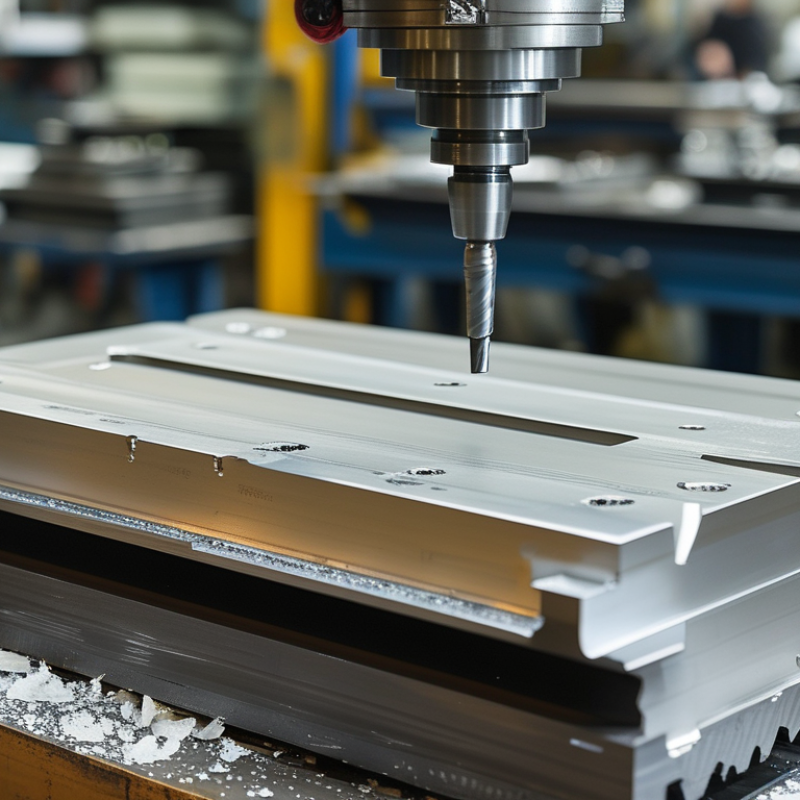
Understanding Your Project Requirements for Aluminium CNC Moulds
When sourcing aluminium CNC moulds, understanding project requirements is critical. Begin by assessing the specifications of the components. Key factors include dimensions, tolerances, and surface finishes. Each aspect affects the mould’s design and the overall project cost. For example, maintaining a tolerance of ±0.01 mm can significantly increase machining time and cost, according to industry research by the Precision Manufacturing Association.
Next, consider the volume of production. High volumes might justify the initial costs of complex mould designs. However, for smaller projects, simpler moulds may be more suitable. A report from the International Journal of Advanced Manufacturing Technology indicates that the cost per unit decreases as production volume increases. Focus on whether the mould will accommodate rapid prototyping or mass production.
Finally, evaluate the material properties required for the finished product. Aluminium alloys vary widely, influencing strength, weight, and thermal properties. Choosing the right alloy can boost performance. While making informed decisions, reflect on past experiences. Factors overlooked can lead to delays or increased expenses. Prioritize creating a detailed project requirement list to reduce potential pitfalls.
Researching Reliable Suppliers for Aluminium CNC Moulds
When sourcing aluminium CNC moulds, finding reliable suppliers is crucial. It requires thorough research and an understanding of their capabilities. Look for suppliers with extensive industry experience. Longevity often indicates reliability. Check for certifications that demonstrate compliance with quality standards. These credentials provide insight into their production processes.
Consider the following advice. Evaluate their portfolio and case studies. A diverse range of projects showcases their versatility. Communication is key. Reach out to potential suppliers and assess their responsiveness. Are they open to questions? Timely replies can indicate strong customer service.
Don’t overlook online reviews. Feedback from previous clients can reveal strengths and weaknesses. While positive reviews are encouraging, be careful with overly glowing testimonials. They can sometimes be misleading. After narrowing down potential partners, request samples. Testing their products allows you to assess quality firsthand. Finding the right supplier is a process of careful consideration and reflection.
Evaluating Quality Standards in Aluminium CNC Mould Production
When evaluating quality standards in aluminium CNC mould production, several factors come into play. Start by assessing the manufacturing processes. Look for precision in the machining techniques. High-quality moulds have well-defined features, leading to greater accuracy and fewer errors. This precision directly impacts the overall performance of the final products.
Consider the materials used in production. Aluminium should be of high-grade quality to withstand wear and tear. The surface finish is crucial as well. A smooth finish can enhance functionality and longevity. It’s essential to request samples and inspect them closely. Pay attention to the craftsmanship. Are the edges sharp and clean? Are there any imperfections?
Focus on supplier certifications. A reputable manufacturer will have standard certifications that reflect their commitment to quality. Verify their compliance with relevant industry standards. Building trust is vital. It’s acceptable to ask questions about their quality control processes. Establishing clear communication helps set expectations. Aim for manufacturers who prioritize transparency in their operations.
Comparing Costs and Lead Times for Effective Sourcing Decisions
When sourcing aluminium CNC moulds, understanding costs and lead times is crucial. Many factors influence these elements. Prices can vary based on complexity, material quality, and supplier reputation. Complex designs may lead to higher costs, while simpler moulds might save money.
Communicating clearly with suppliers is essential. Ask about their capabilities and timelines. Different suppliers may provide varying lead times based on machinery and workload. Discovering the average lead time in the industry can help set realistic expectations. Unexpected delays can hinder production schedules.
Consider the potential hidden costs. Ensure you understand all associated fees, including shipping and tooling charges. Don’t settle for the cheapest option without assessing quality. A low price can sometimes lead to compromised standards. Prioritize suppliers with proven track records in quality and timely delivery.
Establishing Clear Communication with Suppliers for Successful Outcomes
Establishing clear communication with suppliers is crucial in sourcing aluminium CNC moulds. A recent survey indicated that 70% of manufacturing delays stem from miscommunication. To prevent this, define your requirements clearly from the outset. Use straightforward language. Avoid technical jargon unless necessary. This will ensure both parties understand the project scope.
Feedback loops are essential in this process. Schedule regular updates through video calls or written reports. This can enhance understanding and mitigate potential issues. Data suggests that projects with consistent communication have a 40% higher success rate. Understand that suppliers may still have different interpretations of your needs. Acknowledge their expertise while asserting your requirements clearly.
Establishing a feedback mechanism can reveal potential oversights. A report showed that 60% of suppliers believe they deliver as expected, while clients often see mismatches in understanding. Encourage suppliers to share their perspectives. This can lead to improvements in both product quality and delivery timelines. Remember, effective communication is not just about speaking; it is also about listening and addressing concerns promptly.