Top 10 Thermoelectric Cooling Tips for Global Buyers?
Thermoelectric Cooling technology has gained popularity in various industries. It offers a compact, efficient solution for temperature control. Many global buyers seek to understand its intricacies before making purchases.
Navigating the thermoelectric cooling landscape can be challenging. Buyers must consider several factors beyond just price. Understanding the technology's applications is crucial for making informed choices. This introduction focuses on practical tips that can enhance your purchasing experience. Each tip stems from industry expertise and reflects real-world challenges faced by buyers.
Thermoelectric cooling devices can vary significantly. Factors like size, wattage, and durability often impact performance. Buyers should ask themselves: How will this device be used? What environment will it operate in? A thoughtful approach can prevent costly mistakes. It's essential to weigh these considerations carefully.
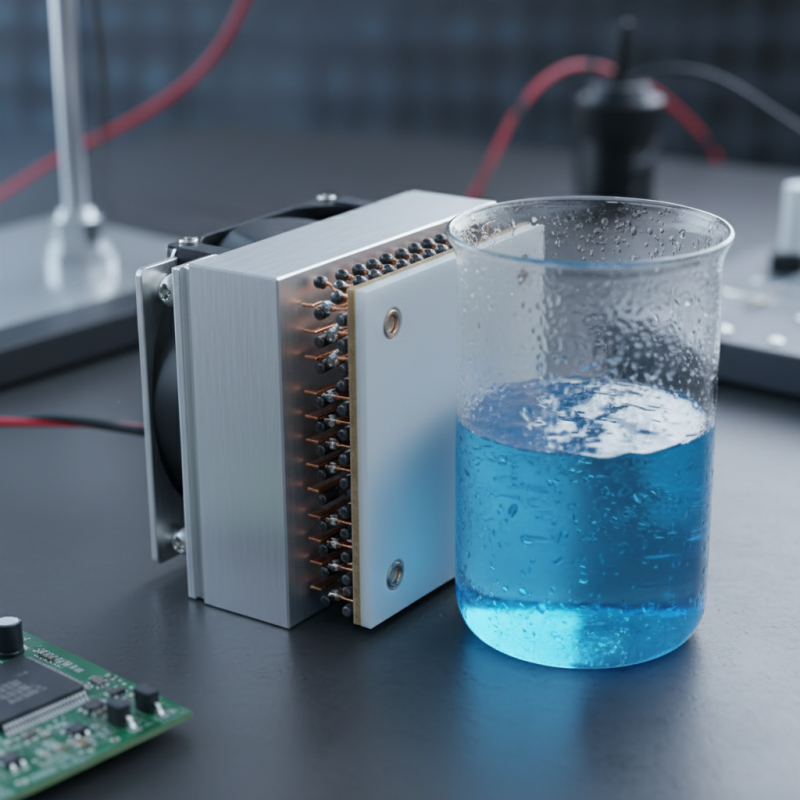
Understanding the Basics of Thermoelectric Cooling Technology in 2023
Thermoelectric cooling technology employs the Peltier effect for efficient temperature management. In 2023, its applications span various industries, including automotive, electronics, and medical devices. This technology functions without moving parts, achieving longer lifespans and lower maintenance needs. Reports indicate that the global thermoelectric market is expected to reach $1.5 billion by 2026, reflecting strong growth driven by energy efficiency demands.
Despite these advantages, some challenges persist. Efficiency rates often fall short compared to traditional cooling methods. For instance, thermoelectric systems typically have a coefficient of performance (COP) of around 0.5 to 1. This indicates lower energy efficiency when used for extensive cooling needs. Additionally, the materials used in thermoelectric modules can impact performance and enhance temperature gradients. Further research is essential to develop better materials that improve efficiency and reduce costs.
In practice, global buyers must navigate these complexities. The right application of thermoelectric technology depends on specific needs and system designs. Exploring the latest studies and technical insights will aid in making informed decisions. Buyers should also consider long-term usage costs compared to initial investments. Such reflections can lead to improved adoption and application of thermoelectric cooling solutions.
Key Factors Influencing Thermoelectric Cooler Performance Metrics
When considering the performance of Thermoelectric Coolers, several key factors come into play. The design, size, and materials of the cooler directly influence its efficiency. Poor material selection can lead to energy loss. Understanding these factors is critical for buyers seeking reliable cooling solutions.
Temperature differences across the thermoelectric module significantly affect performance metrics. A larger temperature delta often indicates better cooling efficiency. However, pushing a module too hard can lead to reduced lifespan. It's essential to balance performance with durability.
Tip 1: Always assess the intended application. If you're cooling sensitive electronics, choose a cooler with precise temperature control.
Tip 2: Pay attention to the power supply. Inadequate power can hinder performance, possibly resulting in unpredictable cooling effects.
Tip 3: Consider the environment where the cooler will operate. High ambient temperatures can reduce effectiveness. The right design choices and consideration of these influencing factors will ensure a thermoelectric cooler meets your needs effectively.
Evaluating Thermoelectric Materials: Efficiency Factors and Industry Standards
When evaluating thermoelectric materials, efficiency is a crucial factor. The efficiency of thermoelectric materials is defined by their dimensionless figure of merit, known as ZT. Higher ZT values indicate better performance. Industry experts stress the importance of both electrical conductivity and thermal conductivity in achieving high efficiency. Materials with low thermal conductivity can maintain temperature gradients effectively, improving energy conversion.
Additionally, understanding industry standards is essential. Standards ensure compatibility and performance across applications. Many manufacturers rely on guidelines from authoritative organizations. These guidelines help buyers select reliable and efficient components. However, not all materials meet these stringent standards. Buyers should conduct thorough research to avoid inferior products.
It’s also crucial to consider the sustainability of thermoelectric materials. Many traditional materials raise environmental concerns. Exploring newer, eco-friendly alternatives can enhance the overall impact. Yet, these options may still require more research and testing. An informed decision should weigh both environmental effects and performance metrics. This balance is difficult but necessary for long-term success.
Top 10 Thermoelectric Cooling Tips for Global Buyers
| Tip Number | Cooling Material | Efficiency Factor (ZT) | Temperature Range (°C) | Industry Standard |
| 1 | Bismuth Telluride | 0.9 - 1.0 | -40 to 80 | ASTM E2877 |
| 2 | Lead Telluride | 1.0 - 1.5 | -10 to 600 | IEC 61215 |
| 3 | Silicon-Germanium | 0.8 - 1.2 | 0 to 1000 | ASTM F2187 |
| 4 | Skutterudites | 1.6 - 2.0 | 200 to 600 | ASTM F2188 |
| 5 | Half-Heusler Alloys | 1.2 - 1.5 | 400 to 800 | ISO 9001 |
| 6 | Tin Selenides | 0.9 - 1.3 | -20 to 300 | ASTM E2878 |
| 7 | Copper Selenides | 1.0 - 1.4 | 300 to 600 | ISO 14001 |
| 8 | Bismuth Antimony | 1.0 - 1.3 | -50 to 100 | ASTM E2963 |
| 9 | Gallium Manganese | 1.5 - 2.1 | 100 to 300 | IEC 60529 |
| 10 | Zintl Phases | 1.0 - 1.4 | -10 to 400 | ASTM D6894 |
Best Practices for Selecting Thermoelectric Coolers for Global Applications
When selecting thermoelectric coolers for global applications, buyers should prioritize reliability and efficiency. Understanding the specific cooling needs is essential. Each application may require different temperature ranges and cooling capacities. Ensure that the coolers can operate effectively in various climates.
Consider the cooling technology used in the coolers. Some devices may offer better performance at lower power consumption. It’s crucial to evaluate the performance specifications against your project requirements. Don't just go for the most expensive option. Sometimes, a mid-range cooler can meet all your needs efficiently.
Tips: Investigate the manufacturer’s reputation. A brand with a proven track record often ensures better product quality. Look for user reviews and testimonials to gauge experience. Additionally, assess the warranty offered. A longer warranty indicates confidence in the product’s durability. Always keep your options open and be ready to adapt your choice based on feedback and performance data.
Cost Analysis of Thermoelectric Cooling Solutions: Budgeting for Performance
When considering thermoelectric cooling solutions, cost analysis is crucial. Initial expenses can vary greatly. This is largely due to the selection of materials and technology. Cheaper units might save money upfront but can lead to higher energy bills. They may also offer less durability. Investing in quality could prove beneficial long-term.
Performance metrics are essential in budgeting. Understanding the cooling capacity and power consumption helps you make informed choices. Units with higher efficiency ratings are often more expensive. However, they can significantly reduce energy costs over time. Additionally, consider maintenance costs. Some systems require more upkeep, impacting overall expenditure significantly.
It's wise to evaluate both short-term and long-term costs. Take note of historical performance data from similar systems. This can provide insight into reliability and efficiency. Beware of overly optimistic claims. Always seek user reviews and expert opinions. Balancing budget with performance expectations requires careful thought and research.