Top 10 Pre-treatment Processes for Effective Seawater Desalination?
The increasing global demand for freshwater drives innovation in seawater desalination. Effective pre-treatment processes are crucial for enhancing the efficiency and longevity of desalination systems. According to a report by the International Desalination Association, the global desalination capacity reached 100 million cubic meters per day in 2020. However, improper pre-treatment can lead to increased fouling and operational costs.
Dr. Emily Carter, a prominent expert in seawater desalination, emphasizes, "Without effective pre-treatment processes, the sustainability of desalination projects is at risk." The pre-treatment process for seawater desalination includes several methods like screening, sedimentation, and filtration. Each method plays a vital role in removing suspended solids, organics, and biological matter from seawater before it undergoes reverse osmosis.
Despite advancements, challenges remain in optimizing these processes. Not all facilities can efficiently implement every pre-treatment technique due to material costs, local conditions, and energy use. It is essential to continually evaluate and adapt pre-treatment strategies to specific environmental conditions. This ongoing reflection ensures more resilient and effective desalination solutions for future generations.
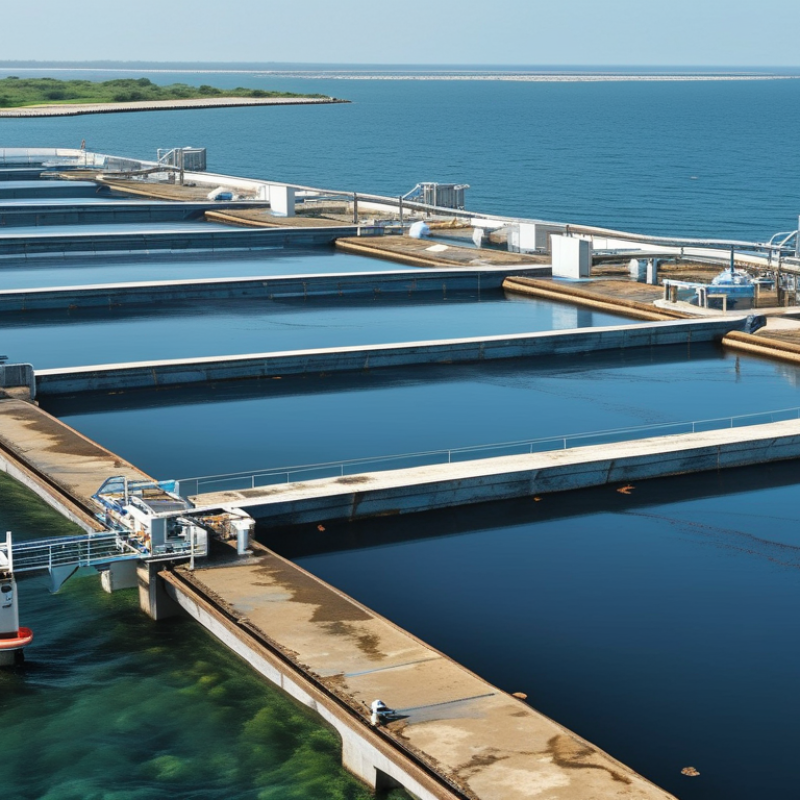
Overview of Seawater Desalination Technologies
Seawater desalination technologies are critical in addressing global water scarcity. As the demand for fresh water rises, various methods emerge. Currently, reverse osmosis (RO) stands as the leading technology, accounting for over 60% of global desalination capacity. This method effectively separates salts from seawater, offering a reliable solution. However, it requires extensive energy and robust pre-treatment processes to ensure efficiency.
Pre-treatment plays a vital role in maximizing desalination effectiveness. Common processes include microfiltration and sedimentation, which address particle removal. These steps reduce membrane fouling and prolong lifespan. Reports indicate that a well-designed pre-treatment process can enhance overall efficiency by 15-30%. Nevertheless, challenges persist. Not all pre-treatment methods suit specific seawater conditions, resulting in potential inefficiencies. In fact, a study highlighted that inconsistencies in seawater quality can impact the effectiveness of the chosen pre-treatment technique.
Incorporating advanced technologies like advanced oxidation processes (AOP) shows promise. AOP helps break down organic contaminants and can improve the performance of subsequent desalination. While these innovative processes advance the field, they also raise questions about cost-effectiveness and practicality on a larger scale. As we explore new methods, a balanced approach is essential for sustainable seawater desalination.
Importance of Pre-treatment in Desalination Processes
Pre-treatment is crucial in the seawater desalination process. It serves to protect the desalination membranes and enhance overall efficiency. Poor pre-treatment can lead to membrane fouling. This significantly increases operational costs and reduces system lifespan.
Steps in pre-treatment include filtration, sedimentation, and chemical dosing. Each method targets specific contaminants, like suspended solids and organic matter. Effective pre-treatment minimizes these issues, ensuring cleaner feed water.
However, even with advanced technology, some challenges remain. Operators must continually assess water quality. Regular monitoring helps to identify patterns of fouling or scaling.
The complexity of seawater also poses problems; variability in incoming water can complicate pre-treatment strategies. Adaptation is key, as fixed methods may not always yield optimal results.
Understanding local water characteristics is essential. It allows for tailored solutions that adjust to changing conditions. This iterative approach enhances reliability in desalination outcomes.
Common Pre-treatment Methods: Analyzing Techniques and Efficacy
Seawater desalination is essential for providing fresh water. However, pre-treatment processes are critical to ensure efficiency and longevity. Common methods include sedimentation, filtration, and chemical dosing. These techniques help to remove particulates, organic matter, and microorganisms. For instance, a study showed that effective pre-treatment can reduce membrane fouling by up to 70%.
Sedimentation techniques are widely used, but their effectiveness can vary based on water quality. Some plants report inconsistent results, leading to increased operational costs. Sand filtration serves as a robust alternative, yet it may require frequent maintenance. Chemical dosing, such as using coagulants, can also pose challenges, including chemical residuals in the final product.
Each pre-treatment method has its strengths and weaknesses. Optimizing these processes is necessary for improved outcomes. For example, understanding the local seawater composition can enhance the choice of the pre-treatment technique. Ongoing research is crucial. This ensures we develop strategies that are both effective and sustainable for future demands. Implementing a combination of techniques may yield the best results, but they require careful monitoring and adjustments.
Top 10 Pre-treatment Processes for Effective Seawater Desalination
| Pre-treatment Method | Description | Efficacy (%) | Common Applications |
| Microfiltration | Removes suspended solids, bacteria, and large particles. | 90-95 | Pre-desalination filtration |
| Ultrafiltration | Removes smaller particles and macromolecules. | 95-99 | Reverse osmosis pre-treatment |
| Nanofiltration | Removes divalent ions and larger monovalent ions. | 80-90 | Softening seawater |
| Chemical Dosing | Involves adding chemicals to destabilize particulates. | Varies | Pre-filtration treatment |
| Coagulation | Agglomeration of fine particles into larger clusters. | 85-95 | Water treatment plants |
| Flocculation | Creates flocks of particles that can be removed. | 80-90 | Pre-treatment before filtration |
| Sedimentation | Allows solids to settle at the bottom of a tank. | Effective | Large-scale pre-treatment |
| Activated Carbon Filtration | Removes organic compounds and chlorine. | 85-95 | Pre-treatment for reverse osmosis |
| Cation Exchange | Removes hardness ions from seawater. | 75-85 | Water softening |
Challenges and Solutions in Pre-treatment for Seawater Desalination
Seawater desalination is crucial for addressing global water scarcity. However, pre-treatment processes face significant challenges. One major issue is membrane fouling, which can reduce system efficiency and increase operational costs. According to a report by the International Water Association, up to 30% of desalination plant expenses can be attributed to fouling-related maintenance. Efficient pre-treatment can mitigate these expenses.
A study by the American Membrane Technology Association highlighted that proper coagulant selection is vital. Some pre-treatment methods, such as microfiltration and ultrafiltration, help remove suspended solids. Yet, these techniques can struggle with organic matter and biofouling. Using advanced oxidation processes may provide a solution, but they come with their own set of operational challenges. Balancing cost-effectiveness and efficiency is an ongoing struggle in the industry.
Some facilities still rely on traditional pre-treatments. This often leads to inconsistent water quality, which hinders the desalination process. Continuous innovations are necessary to improve these methods. Research is focusing on integrating multiple pre-treatment technologies for better results. This integration, while promising, also raises questions about scalability and compatibility. The desalination sector has much to ponder as it strives for effective solutions.
Future Trends in Pre-treatment Technologies for Enhancing Efficiency
In seawater desalination, pre-treatment processes are crucial for enhancing efficiency. As the demand for fresh water rises, innovative technologies must evolve. Currently, around 97% of the world's water is saltwater. Advanced pre-treatment methods can enhance membrane performance, extending their lifespan and improving overall system efficiency. According to the Global Water Intelligence report from 2022, over 40% of desalination plants experienced issues due to fouling. This highlights the importance of effective pre-treatment.
Future trends in pre-treatment technologies focus on using more sustainable materials. Membrane bioreactors and advanced oxidation processes show promise. Reports indicate that these methods can reduce energy consumption by up to 25%. However, challenges remain. The cost and complexity of these systems can deter widespread adoption. Moreover, maintaining optimal conditions for new technologies poses operational risks.
The development of artificial intelligence in monitoring these processes is another key trend. AI can predict fouling patterns, optimizing maintenance schedules. This can lead to significant savings in both labor and costs. Nevertheless, reliance on technology introduces new challenges. Data security and system failures must be carefully managed to prevent unforeseen consequences. The path to efficient desalination is not without obstacles, demanding continuous innovation and adaptation.