Top 10 Plastic Machining Suppliers in China You Should Know?
In the rapidly evolving landscape of manufacturing, plastic machining plays a crucial role. It involves precise fabrication processes using advanced machinery. This technique is essential for producing a wide range of components, from simple parts to complex assemblies. Understanding the top plastic machining suppliers in China is essential for businesses seeking reliable partners.
China is a global leader in plastic machining due to its vast resources and advanced technology. The country's suppliers offer diverse services, meeting various industry needs. Quality and efficiency are paramount, making it vital to choose the right partner. However, navigating this market can be challenging. Not all suppliers maintain consistent standards. Businesses must carefully assess potential partners based on expertise and experience.
This article highlights ten notable plastic machining suppliers in China. Each has unique strengths and weaknesses that warrant consideration. By focusing on reliable suppliers, companies can enhance production quality and efficiency. Knowledge is power in this competitive field. So, let’s explore how these suppliers stand out in the plastic machining sector.
Overview of Plastic Machining Industry in China
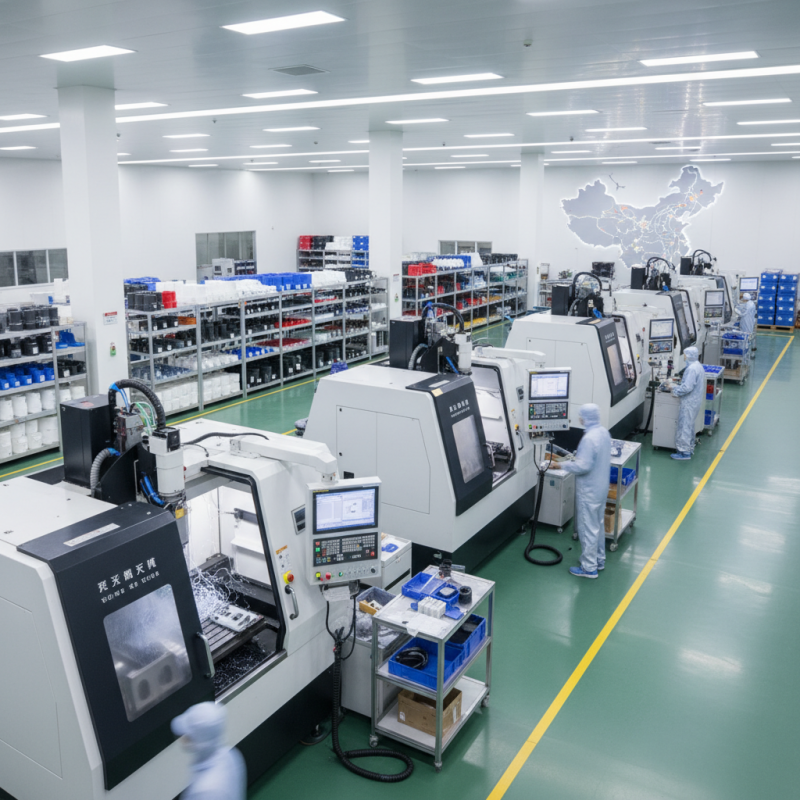
The plastic machining industry in China has experienced significant growth in recent years. This rise is driven by various sectors, including automotive, electronics, and medical industries. Many manufacturers are investing in advanced technologies to meet the increasing demand for precision components.
It's essential to understand the diverse applications of plastic machining. Different materials, like acrylic, nylon, and polycarbonate, are commonly used. Each material has its properties, affecting durability and weight. More companies are choosing plastics for their lightweight characteristics and versatility. However, quality control remains a challenge. Inconsistent machining processes can lead to defects, which affect final products.
Tips for choosing a reliable supplier include evaluating their experience and expertise in the industry. Look for suppliers with certifications that demonstrate their commitment to quality. Additionally, consider their production capabilities. A capable supplier should be equipped to handle different materials and complex designs. Communication is crucial throughout the process. Clear dialogue can minimize misunderstandings, ensuring project specifications are met correctly.
Top 10 Plastic Machining Suppliers in China
| Rank |
Supplier Type |
Location |
Specialization |
Year Established |
Annual Revenue (approx.) |
| 1 |
Manufacturer |
Shenzhen |
Injection Molding |
2005 |
$5M |
| 2 |
Supplier |
Guangzhou |
CNC Machining |
2010 |
$3M |
| 3 |
Fabricator |
Shanghai |
Thermoforming |
2012 |
$4M |
| 4 |
Distributor |
Hangzhou |
Blow Molding |
2008 |
$10M |
| 5 |
Contractor |
Wuhan |
Custom Plastic Parts |
2015 |
$2M |
| 6 |
Manufacturer |
Xi'an |
Extrusion |
2011 |
$8M |
| 7 |
Supplier |
Suzhou |
Mold Making |
2004 |
$6M |
| 8 |
Fabricator |
Nanjing |
Plastic Robotic Parts |
2016 |
$1.5M |
| 9 |
Distributor |
Chengdu |
Plastic Sheets |
2003 |
$7M |
| 10 |
Contractor |
Beijing |
Plastic Assemblies |
2018 |
$2.5M |
Criteria for Selecting Top Plastic Machining Suppliers
When selecting plastic machining suppliers, several key criteria become crucial. Companies often overlook experience, but it builds a solid foundation. A supplier with years in the industry understands the complexities of plastic machining. They are familiar with various materials, tools, and technologies that shape the end product. This knowledge can lead to more efficient processes.
Accuracy in quotes and timelines is another vital aspect. Suppliers who consistently meet deadlines reflect reliability. A delay can affect the entire production chain, leading to lost opportunities. Trustworthy suppliers communicate openly about any potential issues. They also provide transparent pricing, preventing unexpected costs later on.
Tip: Check industry references. Speak to previous clients about their experiences. Feedback offers insights into a supplier's reliability and quality.
Another essential criterion is a supplier’s technological capability. Advanced machinery enhances precision and efficiency. However, keep in mind that state-of-the-art technology also demands skilled operators. Assess your supplier's training and workforce expertise.
Tip: Always request a sample before making a larger commitment. A sample can reveal the quality of work and adherence to specifications.
List of the Top 10 Plastic Machining Suppliers in China
When exploring the plastic machining industry in China, the breadth of suppliers can be overwhelming. Each of the top players brings unique strengths to the table. Some focus on precision, while others excel in speed. It's important to assess your own needs to find the right fit.
Quality matters immensely in plastic machining. A reliable supplier employs advanced technologies. They should provide strict quality control processes. Look for suppliers that have experience across diverse industries. This could indicate their adaptability and expertise. Companies that have worked with automotive, medical, and consumer goods often understand complex requirements.
Communication is a key factor in any partnership. A supplier should be open and responsive. However, not all suppliers achieve this consistently. It's worth noting that timely feedback can sometimes be overlooked. Understanding the challenges of a supplier's operations can foster better collaborations. A balanced relationship can drive innovation in designs and solutions.
Key Features and Services Offered by These Suppliers
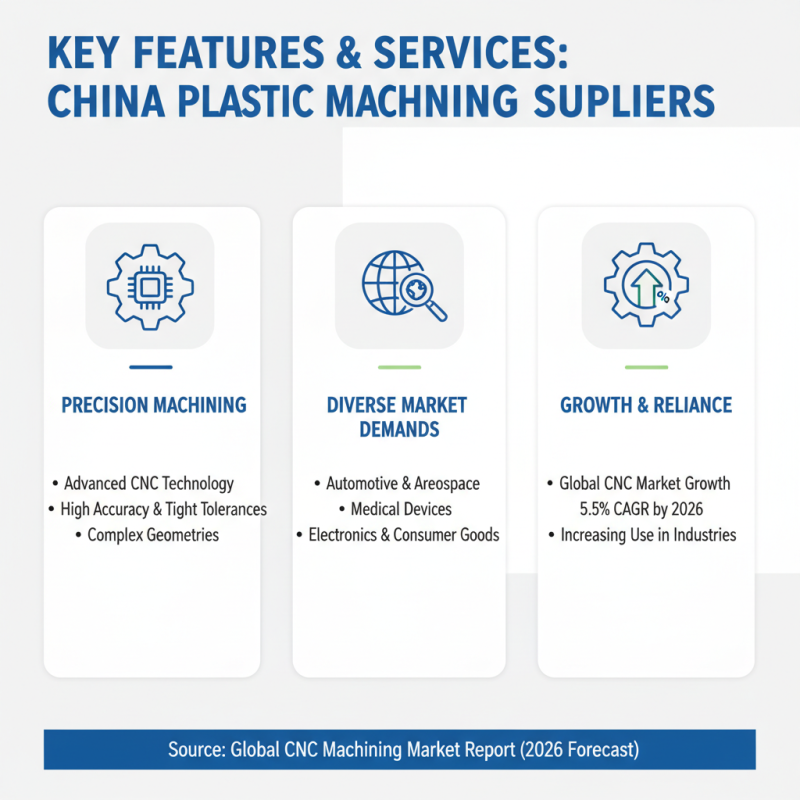
In the competitive landscape of plastic machining in China, suppliers are refining their services to meet diverse market demands. Many firms offer precision machining, utilizing advanced CNC technology to ensure high accuracy. Reports show that the global CNC machining market is expected to grow at a CAGR of 5.5% by 2026. This indicates a rising reliance on machined plastic components in various industries.
Key features often include tailored solutions and rapid prototyping. Suppliers provide custom machining, allowing businesses to create unique designs efficiently. Additionally, many suppliers prioritize quality control, aligning with international standards. This commitment enhances product reliability and performance. Clients appreciate the dedication to environmental sustainability, as more suppliers integrate eco-friendly practices in their manufacturing processes.
Tips: Always assess a supplier’s certifications. Look for ISO certifications to ensure quality. Engaging with suppliers who offer third-party audits can enhance trust. Also, consider their track record on delivery times. Delays can impact your business. Thus, clear communication about timelines is crucial. Research shows that proactive measures can reduce production downtime, leading to better overall efficiency.
Future Trends in Plastic Machining Supply Chain in China
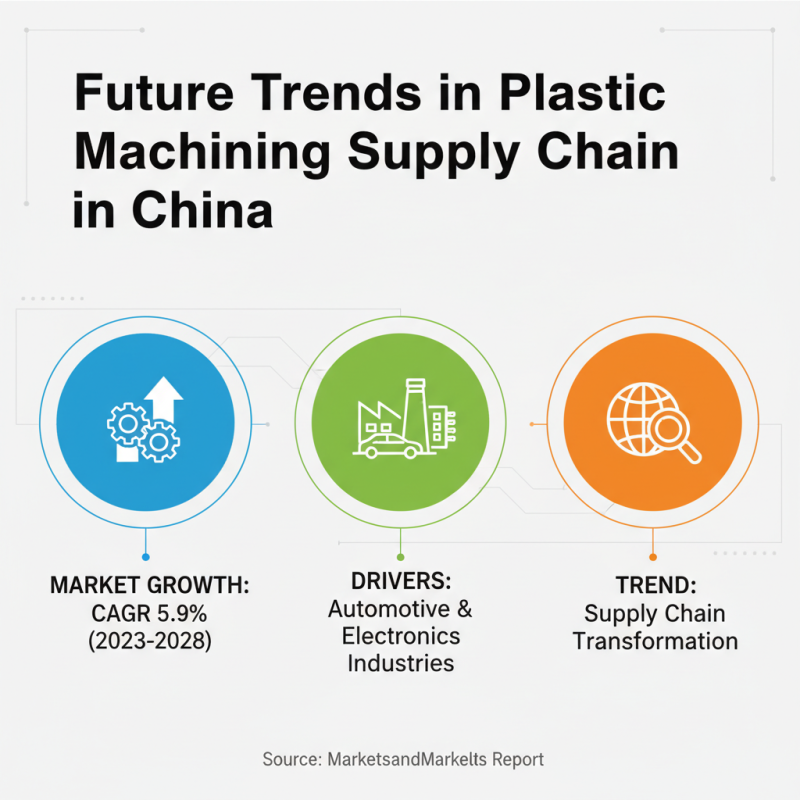
The plastic machining supply chain in China is undergoing significant transformation. According to a recent report by MarketsandMarkets, the plastic machining market is expected to grow at a CAGR of 5.9% from 2023 to 2028. This growth is driven by increased demand in various industries, including automotive and electronics.
Sustainability is a major trend shaping the future of plastic machining. Manufacturers are adopting eco-friendly practices. For example, recycled materials are increasingly used in production. However, the challenge lies in balancing cost and sustainability. Not all manufacturers are prepared for this shift. Additionally, digitalization plays a crucial role. Many suppliers are investing in automation and AI technologies. This helps them streamline operations and improve efficiency.
Yet, there are concerns about workforce adaptation. A report from Deloitte indicates that about 40% of the current workforce may require retraining. This highlights the need for educational programs to bridge the skills gap. As the industry evolves, suppliers must address these challenges to remain competitive.