
Flat steel plays a crucial role in various industries, including construction and manufacturing. For global buyers, selecting reliable suppliers is essential. The Chinese market has numerous suppliers specializing in flat steel products, offering both quality and competitive pricing.
This article explores the top 10 flat steel suppliers in China. Each supplier brings unique strengths and offerings that cater to different needs. These include factors like production capacity, product variety, and market reputation. Buyers must assess their requirements and the suppliers’ expertise to make informed decisions.
Finding the right flat steel supplier can be challenging. Disparities in quality and service exist among different companies. Additionally, market dynamics constantly shift. Therefore, understanding the landscape is important. By reviewing these top suppliers, buyers can navigate the complexities of sourcing flat steel effectively.
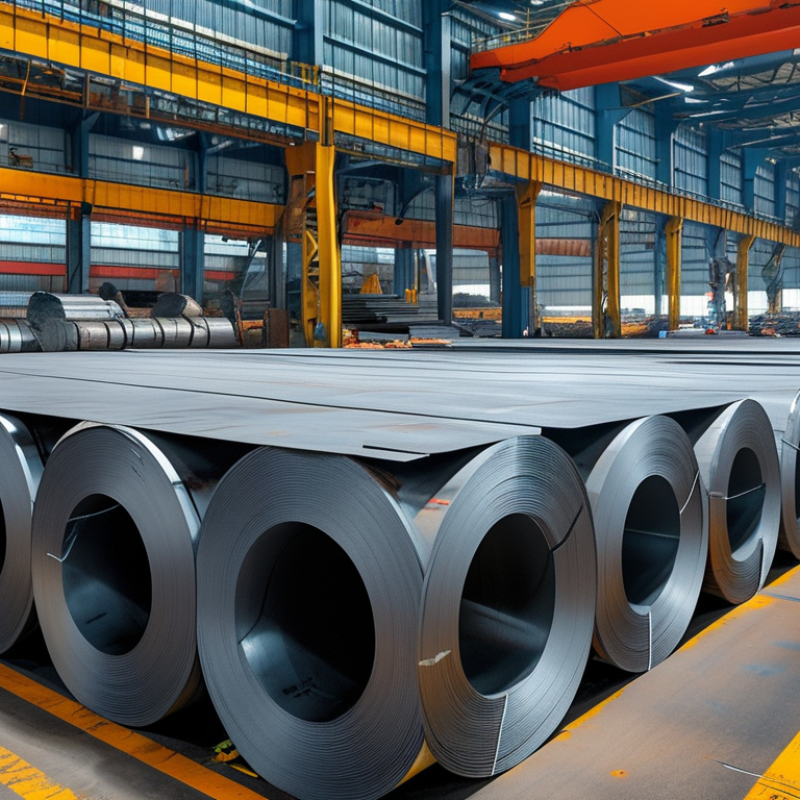
The flat steel industry in China plays a crucial role in the global market. In recent years, production has significantly increased, with reports indicating that China's flat steel output reached approximately 200 million tons in 2022. This represents a growth of nearly 5% from the previous year. Flat steel products are essential in various sectors, including automotive, construction, and appliance manufacturing.
China's unique position as a leading producer is supported by its efficient supply chain and advanced manufacturing technologies. However, challenges exist. Environmental regulations are tightening, aimed at reducing emissions. As a result, some manufacturers may need to reconsider their production methods. Industry experts suggest that adapting to greener technologies is not just a regulatory requirement but also a competitive necessity.
Tip: Stay informed about local regulations and shifts in production techniques. This knowledge can help buyers navigate supplier relationships effectively.
The demand for flat steel is expected to continue growing. Global buyers must pay attention to the evolving landscape. Reporting from sources like the World Steel Association indicates that demand could rise by an additional 3-4% over the next few years. This highlights the need for suppliers to maintain quality while increasing output. Rethinking procurement strategies and supplier partnerships can be beneficial.
Tip: Evaluating suppliers based on their adherence to sustainability practices could be crucial in future market trends.
When selecting a flat steel supplier in China, several critical factors come into play. One of the most important is the supplier's experience in the industry. Look for suppliers who have a proven track record over several years. They should have an understanding of market trends and product specifications. Quality control processes are also key. Suppliers should demonstrate robust quality assurance and comply with international standards.
Additionally, communication is crucial. Ensure that prospective suppliers can provide timely responses. Effective communication fosters trust. Make sure to discuss terms clearly. Consider the supplier's ability to handle logistics efficiently. A reliable supplier should facilitate smooth shipping and delivery processes, minimizing delays.
Price is always a concern in the selection process. However, don’t compromise quality for cost. Evaluate the balance between price and value offered. It's advisable to request samples before making a commitment. This allows you to assess product quality directly. Reflect on these aspects to make an informed choice.
When looking for flat steel suppliers in China, it's crucial to identify reliable partners. Numerous companies excel in this sector, showcasing expertise in manufacturing and distribution. Searching for suppliers involves evaluating their product quality, customer service, and industry experience.
Understanding the market landscape can be challenging. China's flat steel industry is vast and competitive. New buyers may encounter difficulties in finding trusted suppliers amid numerous options. Therefore, conducting thorough research and checking reviews is essential. This helps ensure a reliable partnership.
Tips: Always verify certifications and standards. Suppliers should adhere to international quality regulations. Request samples before committing to large orders. This lets you assess the material's quality firsthand.
Networking can also provide valuable insights. Engage with other buyers in the industry to learn about their experiences. Sharing knowledge can illuminate the path to finding the right suppliers. Note that some suppliers may not meet expectations, highlighting the importance of due diligence. Using a wide range of metrics can help avoid potential pitfalls.
When comparing flat steel suppliers in China, diversity in product offerings is crucial. Many suppliers focus on specific flat steel grades, while others provide a broader range. This variety influences global buyers considerably. Some suppliers excel in producing high-strength steel. Others may specialize in thinner gauges or specific coatings. Each niche offers unique advantages.
Buyers should also consider certifications and quality standards. Not all suppliers meet international standards. This inconsistency can pose risks to buyers. Reliability in delivery also varies among suppliers. Some promise fast shipping but fail to meet deadlines. Others may have a more stable track record but slower delivery.
Price competitiveness is another factor that can’t be ignored. While lower prices attract attention, they may reflect poorer quality. Evaluating the balance between cost and quality is essential. Engaging with suppliers to understand their production processes helps in making informed decisions. Addressing these points can mitigate risks associated with poor selection in a complex market.
| Supplier Category | Product Type | Annual Capacity (Million Tons) | Export Percentage (%) | Main Markets |
|---|---|---|---|---|
| Mill A | Hot Rolled Steel | 5 | 70 | North America, Europe |
| Mill B | Cold Rolled Steel | 3 | 60 | Asia, Australia |
| Mill C | Galvanized Steel | 4 | 80 | Middle East, Africa |
| Mill D | Coated Steel | 2 | 50 | South America, Europe |
| Mill E | Stainless Steel | 6 | 85 | North America, Asia |
| Mill F | Electrical Steel | 1.5 | 30 | Europe, Africa |
| Mill G | High Strength Steel | 3.5 | 75 | South America, North America |
| Mill H | Cold Rolled & Coated | 2.8 | 68 | Asia, Europe |
| Mill I | Hot Dip Galvanized | 4.2 | 90 | Middle East, Africa |
| Mill J | Pre-painted Steel | 3.2 | 65 | Europe, Asia |
When sourcing flat steel from China, understanding the export processes is crucial. Global buyers should start by familiarizing themselves with the necessary documentation. This often includes invoices, packing lists, and contracts. However, many overlook the importance of shipping permits and customs declarations. Neglecting these can lead to delays.
Researching suppliers is another vital step. Many Chinese suppliers may not have the right certifications for international trade. Buyers need to ask for quality assurance certificates and export licenses. This ensures that the products meet international standards.
Communication is essential throughout this process. Language barriers can complicate negotiations and product specifications. Clear and concise communication boosts trust but isn't always easy to achieve. Some suppliers may not respond promptly, which can create anxiety for buyers. Patience and persistence are necessary in these interactions.
Copyright © 2025 The Toolroom Inc. All Rights Reserved.
Website Design St Louis by IQComputing