
Blog

China Top Diaphragm Slitting Machine Manufacturers?

Choosing a Diaphragm Slitting Machine is a practical decision for battery-material producers. China offers a broad supplier base, from specialized equipment makers to factories with wider converting-machine portfolios. But a prominent name alone does not confirm a good fit.

This guide examines how to assess leading Chinese manufacturers without treating “top” as a fixed ranking. Key points include machine accuracy, tension control, blade configuration, operating speed, and the range of diaphragm materials a line can handle. Ask for specifications tied to your actual material width and thickness. A short sample run can reveal issues that a brochure may not show.

Look closely at commissioning, operator training, spare-part access, and response times. These details matter when a blade needs adjustment or slit edges look uneven. Request references or production footage where available, and check whether the examples match your application. Small differences matter.

Price is only one part of the comparison. A low quotation may exclude tooling, installation, or after-sales support, so confirm the full scope in writing. I would not assume that every listed feature is tested under your conditions. Verify it. This article helps buyers compare manufacturers with clearer questions, realistic expectations, and attention to the details that affect daily production.
China Top Diaphragm Slitting Machine Manufacturers?

What Is a Diaphragm Slitting Machine?

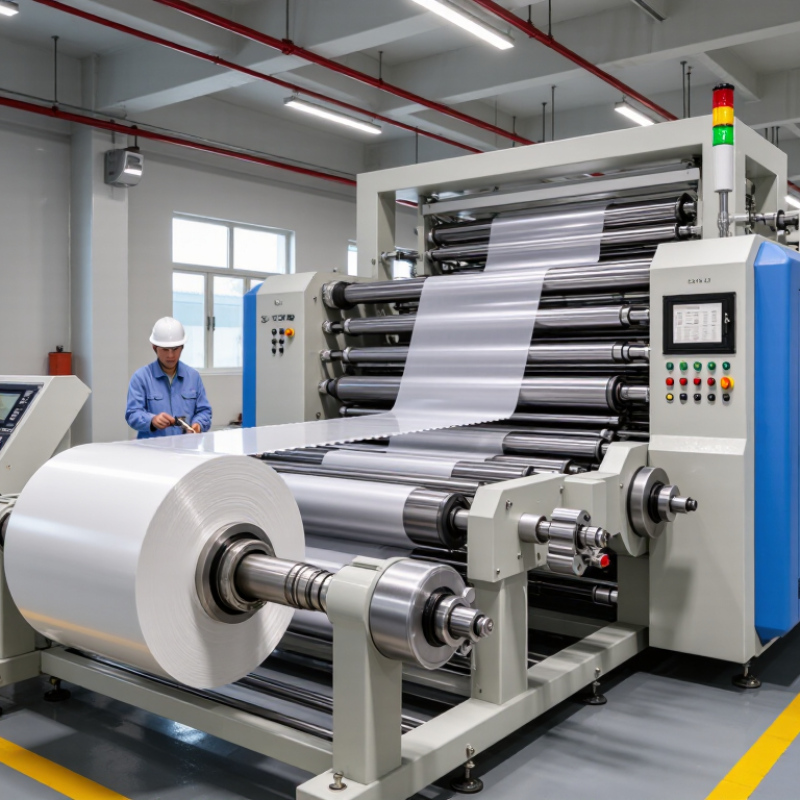
A diaphragm slitting machine converts a wide roll of thin separator film into narrower rolls for downstream manufacturing. In battery production, this porous film helps keep the electrodes apart while allowing ions to pass through. The machine does not make the material; it cuts and rewinds it to specified widths.

A typical line includes an unwind shaft, tension-control system, slitting knives, and rewind shafts. As the film moves through the machine, knives make continuous cuts, while controlled tension helps prevent wrinkles and uneven edges. Operators check roll alignment, knife condition, and finished width. Small changes matter. A blunt blade can leave rough edges, and excess tension may stretch delicate film. Static and dust also deserve attention.

The right setup depends on film thickness, material, target width, and production speed. Trial runs can reveal issues before a full roll is processed. Even then, results need inspection; settings that work for one material may not suit another. Slitting sounds simple, but consistency takes care.

How Does Diaphragm Slitting Technology Work?

How Does Diaphragm Slitting Technology Work?

Diaphragm slitting converts a wide, delicate separator film into narrower rolls for battery production. The material unwinds under controlled tension and passes through aligned blades. Depending on the film and required edge quality, machines may use shear, razor, or crush-cut methods. A rewind station then forms smaller rolls, while sensors help monitor tension and alignment. Small errors matter: a wandering web can create uneven widths or wrinkled edges.

The need for consistent processing is growing. The International Energy Agency’s Global EV Outlook 2024 reports that electric-vehicle battery demand exceeded 750 GWh in 2023, about 40% higher than in 2022. This figure describes battery demand, not slitting-machine output, but it helps explain why reliable separator conversion matters.

Operators typically check blade condition, clearance, web speed, and dust around the cutting zone. Clean edges are important.

Still, the process is not magic. Thin films can stretch, curl, or tear when settings drift, and one recipe may not suit every material. That is easy to underestimate. Trial runs should record tension, blade setup, finished width, and edge defects, so adjustments can be traced. The IEA data signals market growth; it does not guarantee that every line will run smoothly. Craft and careful measurement remain essential.

Which Industries Use Diaphragm Slitting Machines?

Diaphragm slitting machines serve industries that convert wide battery separator film into narrower rolls for production. The main users are lithium-ion battery manufacturers supplying electric vehicles, energy storage systems, power tools, and consumer electronics. These factories need consistent roll widths so separators fit between electrode layers during cell assembly. A small width variation can complicate alignment and create avoidable material waste.

Film converters and battery-material processors also use slitting equipment. They receive jumbo rolls and prepare smaller rolls for different cell formats or customer specifications. Pilot plants and research facilities may use compact slitters to test new films and process limited batches. Their needs differ from high-volume factories: quick setup and careful handling can matter more than maximum speed. The details vary, and a machine suited to one film may not perform equally well with another.

Tips: Check film thickness, target width, roll diameter, and required edge quality before choosing a machine. Ask how tension control, dust management, and blade changes are handled. Clean edges matter. Still, specifications alone do not guarantee good results; operators should test the actual material under realistic production conditions.

China Top Diaphragm Slitting Machine Manufacturers? - Which Industries Use Diaphragm Slitting Machines?
Industry Typical Application Material Processed Role of Slitting Typical End Products
Lithium-Ion Battery Manufacturing Preparation of separator rolls for cell assembly. Microporous polymer separator film, commonly made from polyethylene (PE), polypropylene (PP), or multilayer PE/PP. Converts wide master rolls into narrower rolls or strips to match battery-cell production requirements. Cylindrical, prismatic, and pouch lithium-ion cells.
Electric Vehicle Battery Production Separator converting for traction battery cells used in electric vehicles. Battery separator film, sometimes with a ceramic coating depending on the cell design. Provides consistently slit separator material for subsequent winding or stacking operations. Battery packs for passenger vehicles, buses, and commercial vehicles.
Stationary Energy Storage Cell manufacturing for grid-connected and behind-the-meter energy storage systems. Polyolefin separator film specified for the selected rechargeable battery chemistry. Slits separator rolls to the widths required by the cell format and manufacturing process. Battery systems for renewable-energy storage, backup power, and grid applications.
Consumer Electronics Batteries Separator preparation for compact rechargeable battery cells. Thin microporous separator film, including coated variants where required. Produces narrow, controlled-width rolls for cell assembly lines. Batteries for smartphones, tablets, laptops, cameras, and wearable devices.
Power Tool and Garden Equipment Batteries Separator roll preparation for high-power rechargeable cells. Microporous polymer separator film selected for the relevant cell design. Converts master rolls into production-width rolls used in cell winding or stacking. Battery packs for cordless tools and rechargeable outdoor equipment.
Light Electric Mobility Cell production for compact electric-transport applications. Battery separator film for the rechargeable cells used in the vehicle or device. Slits separator material to the specified width for downstream cell assembly. Batteries for e-bikes, scooters, and other light electric vehicles.
Battery Materials Converting Contract or in-house conversion of separator-film master rolls. Uncoated or coated battery separator rolls. Rewinds and divides wide rolls into narrower rolls for battery manufacturers and cell plants. Finished separator rolls supplied for lithium-ion cell production.

Note: In battery manufacturing, “diaphragm” commonly refers to the separator that electrically isolates the electrodes while allowing ion transport. Slitting requirements depend on the separator material, coating, cell format, and production process.

Who Are the Leading Diaphragm Slitting Machine Manufacturers in China?

China Top Diaphragm Slitting Machine Manufacturers?

Who Are the Leading Diaphragm Slitting Machine Manufacturers in China?

China’s leading diaphragm slitting machine manufacturers are best identified by their engineering capabilities, not by promotional rankings. Look for manufacturers with experience in precision film converting and battery-material handling. A capable machine should maintain stable web tension while cutting thin, delicate diaphragm rolls. Even small variations can cause wrinkles, uneven edges, or material breaks.

Ask for a trial using your own material. Check the slit edges under magnification, then measure roll width and winding consistency across the full batch. Useful details include knife adjustment, dust extraction, tension control, and how quickly operators can change roll sizes. Request technical documents and speak with customers using comparable materials. A polished showroom is not enough.

There is no reliable universal ranking without verified production data. That part is easy to overlook. Some manufacturers may offer strong customization but limited service coverage in your region. Others may provide a lower purchase price, yet require more operator attention. Compare sample results, maintenance access, and response times before choosing. A small flaw in a test roll can matter more than a large speed claim.

How to Compare Chinese Diaphragm Slitting Machine Manufacturers?

China Top Diaphragm Slitting Machine Manufacturers?

Comparing Chinese diaphragm slitting machine manufacturers requires more than checking advertised speed. Match each machine’s working width, slitting range, and tension controls to your actual production needs. Ask how the equipment handles your diaphragm material, including its thickness and surface sensitivity. A clean edge matters. Request sample cuts and inspect them for burrs, wrinkles, and width variation. If possible, run a trial using your own material rather than a substitute.

Tips: Measure twice. Ask for proof. Request a recorded test showing setup, steady running, and a material changeover. Also compare blade adjustment methods, guarding, operator training, and the availability of replacement parts. Get response times and service responsibilities in writing; vague promises are difficult to evaluate later.

A useful comparison includes the full operating picture, not just the machine price. Check whether the supplier can provide clear drawings, control-system details, and a practical maintenance schedule. Speak with a technical contact who can explain tension settings and troubleshooting in plain terms. Be cautious when two quotations use different specifications: apparently similar machines may not deliver the same usable output. No checklist catches everything, and a short factory visit may still leave unanswered questions. Ask them.

How to compare diaphragm slitting machine manufacturers

Use these suggested evaluation weights to compare published specifications and factory acceptance-test results. The weights are a buyer-defined framework, not manufacturer performance data or market statistics.

Copyright © 2025 The Toolroom Inc. All Rights Reserved.
Website Design St Louis by IQComputing