China Top Backhoe Loader Buckets Manufacturers?
China has become a major sourcing base for construction attachments, including Backhoe Loader Buckets. Its manufacturers serve infrastructure, agriculture, mining, and municipal projects worldwide. However, “top” should not mean the largest factory alone. It should reflect steel quality, dimensional accuracy, welding control, delivery reliability, and field support.
Industry research supports this wider view. Off-Highway Research’s global construction equipment studies show that equipment demand remains closely linked to infrastructure investment and replacement cycles. Deloitte’s 2024 Engineering and Construction Industry Outlook also highlights supply-chain resilience, productivity, and digital quality management as important industry priorities. These findings matter when comparing Chinese bucket manufacturers. A low purchase price may lose value if a bucket arrives with uneven cutting edges, poor pin alignment, or weak wear protection.
A practical evaluation starts with the working scene. A 1.2-metre trenching bucket may need a reinforced heel, replaceable teeth, and accurate pin spacing. A heavy-duty rock bucket requires stronger side cutters and abrasion-resistant steel. Experienced buyers should request material certificates, weld inspection records, load recommendations, and photographs from completed projects. ISO 9001 certification can indicate process control, but it cannot replace independent testing or customer references.
This market still has a weakness: public rankings rarely use consistent criteria. Some lists emphasize export volume, while others favor product range or factory scale. Therefore, this guide compares China’s leading Backhoe Loader Buckets manufacturers through measurable capabilities, application fit, customization, and after-sales reliability. The conclusions should be checked against current quotations and site conditions. Real performance can expose assumptions.
What Is a Backhoe Loader Bucket and How Is It Used?
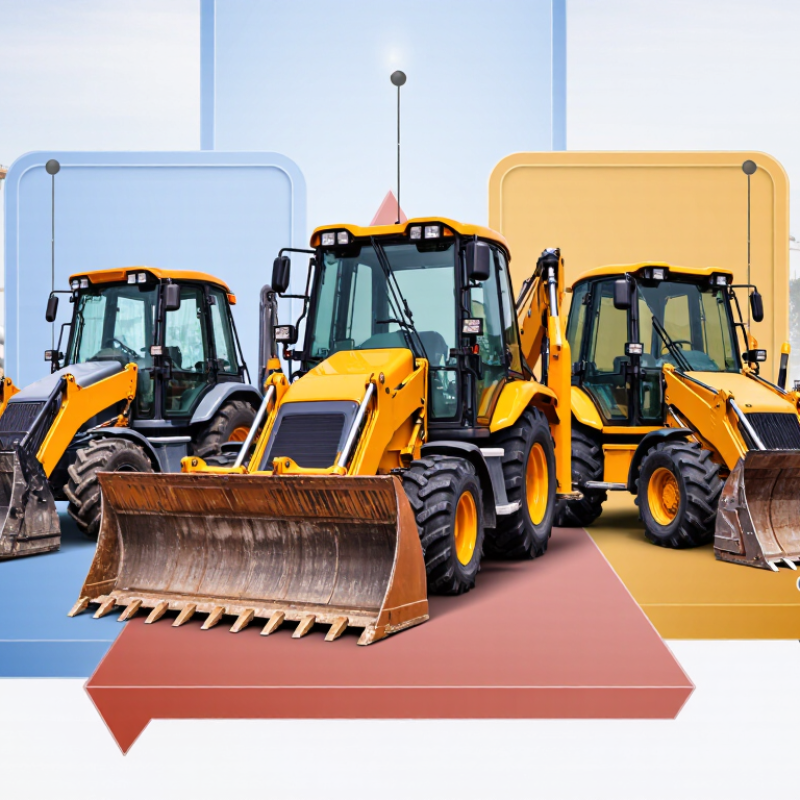
A backhoe loader bucket is the working container attached to the rear excavating arm. It cuts, scoops, lifts, and releases soil, gravel, clay, or broken material. Unlike the front loader bucket, it works from a hinged boom and dipper. This arrangement lets an operator dig narrow trenches beside walls or utility lines.
A typical bucket has a cutting edge, replaceable teeth, side plates, and a reinforced shell. Size matters. A narrow bucket creates cleaner trenches, while a wider bucket moves more material per pass.
On a construction site, the operator lowers the teeth, curls the bucket, and pulls material toward the machine. The bucket then swings clear and opens above a spoil pile or truck.
For drainage work, tooth spacing and bucket width affect trench shape. For loose aggregate, a smooth-edged bucket may load faster and spill less.
Wet clay is different; it can stick inside and reduce useful capacity. In my experience, operators often select buckets by width alone. That is a mistake.
Soil density, hydraulic flow, lift capacity, and ground access deserve equal attention. An oversized bucket can slow cycles and strain the linkage.
Reliable manufacturers normally document steel grade, pin dimensions, working weight, and compatible couplers. Buyers should check these details before comparing prices.
Inspect the cutting edge after abrasive work, and grease pivot pins at stated intervals. Small gaps can become costly repairs.
No bucket is perfect. Even a well-built model may need different teeth for frozen ground or compacted fill.
Careful fitment and measured operation usually matter more than impressive catalog claims.
Key Features of China’s Leading Backhoe Loader Bucket Manufacturers
China’s leading backhoe loader bucket manufacturers focus on strength, fit, and serviceability. Their buckets commonly use wear-resistant steel in the cutting edge and side plates. Reinforced corners help reduce deformation during trenching, loading, and uneven ground work.
A reliable manufacturer provides accurate pin spacing and a stable connection to the loader arm. Poor alignment creates movement, noise, and faster bushing wear. Good suppliers check these dimensions before delivery. They may also offer different capacities, teeth patterns, and reinforced versions for clay, gravel, or mixed soil. The bucket should match the machine’s hydraulic capacity, not only its advertised volume.
Welding quality deserves close attention. Smooth, consistent welds suggest better control, while rough areas require further inspection. Replaceable teeth and cutting edges can reduce downtime on busy sites. Clear drawings, material information, and responsive technical support also show professional practice. However, no bucket is perfect. A heavy design may improve durability but reduce lifting efficiency. Some manufacturers focus strongly on price, and that can make surface finishing or documentation less impressive. Buyers should inspect samples, test compatibility, and review after-sales response before making a final decision.
China Top Backhoe Loader Buckets Manufacturers? - Key Features of China’s Leading Backhoe Loader Bucket Manufacturers
Backhoe loader bucket capacity varies according to the application and machine class. General-purpose digging buckets are commonly produced in compact sizes, while heavy-duty and high-capacity buckets are designed for larger excavation, loading, and material-handling tasks. Leading Chinese manufacturers typically offer multiple capacity options, reinforced wear areas, high-strength steel, replaceable teeth, and compatibility with quick couplers.
Materials, Sizes, and Compatibility Options to Compare
China Top Backhoe Loader Buckets Manufacturers?
When comparing Chinese backhoe loader bucket manufacturers, start with material, not price. High-strength carbon steel suits general digging and loading. Abrasion-resistant steel performs better in gravel, crushed rock, and clay. However, harder steel can become less forgiving during impact. Ask for hardness values, weld procedures, and material certificates. A coating alone does not prove durability.
Sizes must match the machine’s lifting capacity and hydraulic performance. Common buckets range from about 0.05 to 0.35 cubic metres, depending on loader class and application. A 2024 Mordor Intelligence market report estimates the global backhoe loader market at nearly US$3 billion, with replacement attachments supporting steady demand. This growth encourages more suppliers, but specifications may remain inconsistent. Check cutting-edge thickness, pin diameter, centre distance, and bucket width. The wrong geometry can reduce breakout force and increase fuel use.
Tips: Send the supplier your machine model, pin measurements, working pressure, and job material. Request a dimensional drawing before production. Also ask for load testing records and weld inspection details. ISO 2867 guidance helps verify earth-moving machine access and operating dimensions, but it does not replace a real fit test. I would not trust catalogue photos alone. They often hide thin side plates or unsuitable pin spacing. A practical trial with measured cycle time is more reliable than a confident sales claim.
How to Select a Reliable Chinese Backhoe Loader Bucket Manufacturer
China Top Backhoe Loader Bucket Manufacturers: How to Select a Reliable Chinese Supplier
Selecting a reliable Chinese backhoe loader bucket manufacturer starts with evidence, not catalog photos. Fortune Business Insights valued the global construction equipment market at 208.3 billion dollars in 2023. It forecasts 254.9 billion dollars by 2030. This growth increases supplier choices, but quality differences remain.
Ask for steel-grade certificates, welding procedures, heat-treatment records, and batch traceability.
Check cutting-edge thickness, pin-bore alignment, and bucket weight. A credible factory should provide dimensional drawings before production. Request samples for comparable soil conditions. Photos are not enough.
Field experience matters. Match bucket capacity, teeth, adapters, and mounting geometry to your loader’s hydraulic limits. ISO 9001 certification supports process control, but it cannot guarantee bucket performance.
Review independent audits, recent inspection reports, and warranty response times. China Construction Machinery Industry Association reports show strong export activity in China’s construction machinery sector. That signals manufacturing scale, not automatic reliability.
Ask how rejected welds are handled. Ask again. A supplier that explains failures openly may be safer than one promising zero defects.
Tips: Use a written checklist. Compare three factories. Verify steel certificates with the mill when possible. Order one pilot bucket first. Measure pin fit after delivery, then inspect cracks after 100 operating hours. Clarify Incoterms, spare teeth, packaging, and claims evidence. I would not choose the lowest quote without lifecycle cost data. Many buyers misjudge value here.