China Top 10 Stator Tester Manufacturers for Global Buyers
Choosing a reliable Stator tester can influence motor quality, production speed, and long-term maintenance costs. This guide introduces China Top 10 Stator Tester Manufacturers for Global Buyers, with attention to practical engineering needs rather than advertising claims.
The review considers testing accuracy, equipment stability, software functions, customization, and after-sales support. Important capabilities may include winding resistance measurement, insulation resistance testing, hipot testing, surge comparison, and phase-balance analysis. A capable system should also provide clear results, traceable data, and smooth integration with production lines. These details matter when operators inspect hundreds of stators under time pressure.
A useful starting point. No ranking is perfect.
Manufacturers are compared through available technical documentation, product applications, export experience, certification information, and reported customer support. Buyers should still verify calibration procedures, test voltage ranges, fixture design, communication protocols, and local service coverage before signing a contract. A factory producing small household motors may need a different tester from an automotive supplier. That limitation matters.
This introduction also recognizes an uncomfortable point: specifications can look impressive while daily operation remains inconvenient. Operators may struggle with unclear interfaces, slow data transfer, or difficult fixture changes. Therefore, the selected companies should be assessed through measurable performance and real purchasing conditions. Global buyers can use this overview to narrow their choices, prepare stronger technical questions, and identify equipment that matches their motor designs, compliance expectations, and production environment.
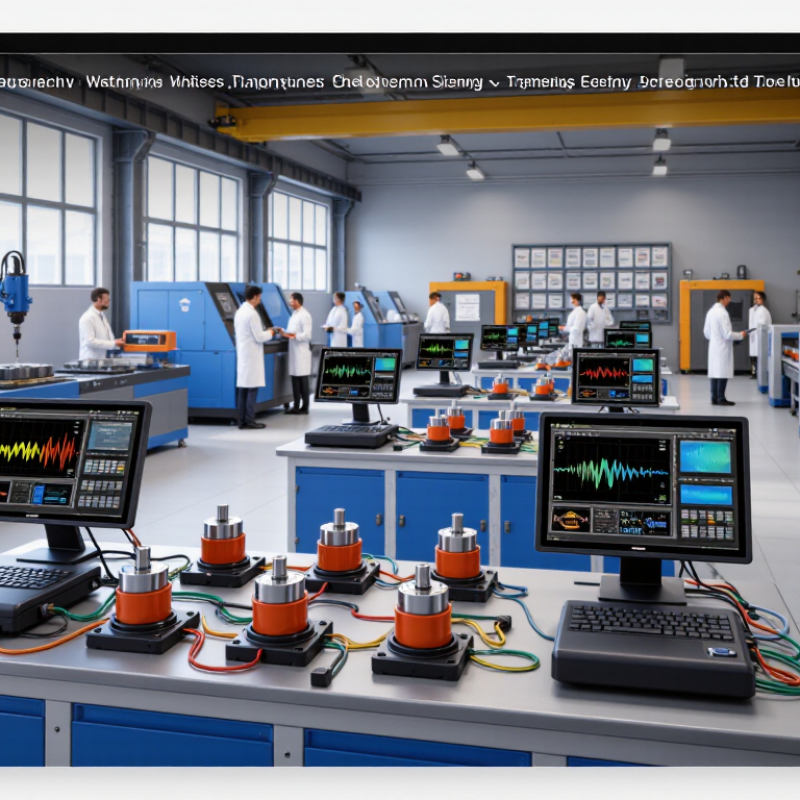
What Is a Stator Tester and Why Does It Matter?
A stator tester is an electrical inspection system for motor stators. It checks winding resistance, insulation strength, turn-to-turn faults, and phase balance. In a production line, probes contact copper leads while software records voltage, current, and leakage results. Some systems also test inductance and surge response. These measurements expose defects that visual inspection cannot reliably find. A darkened coil may look acceptable, yet fail under controlled electrical stress.
For global buyers, the tester matters because stator quality directly affects motor efficiency, noise, heat, and service life. A small resistance difference can signal uneven winding or a loose connection. Insulation testing can reveal moisture damage before assembly. This reduces rework and supports traceable quality records across factories and inspection teams.
Operators should understand test limits, fixture design, calibration intervals, and safety controls. Easy to use. That does not always mean accurate.
In practical production reviews, the most useful system is not always the most expensive. It should match winding size, test voltage, takt time, and reporting needs. Buyers should request sample testing with their own stators. Ask for repeatability data, calibration evidence, and clear fault codes. A tester may pass a part while the fixture is poorly aligned. That detail is easy to miss. Teams sometimes blame the motor before checking contact pressure. Careful training still matters. The process is not perfect, so results need engineering judgment.
How to Evaluate China’s Stator Tester Manufacturers
China Top 10 Stator Tester Manufacturers for Global Buyers
When evaluating China’s stator tester manufacturers, begin with technical fit, not rankings. Request a test sample using your actual stator, wire size, winding layout, and production speed. Check resistance, inductance, hipot, insulation resistance, and surge testing accuracy. Ask for repeatability data across several shifts. One reading proves very little.
A reliable manufacturer should provide calibration records, traceable instruments, and clear acceptance limits. Review the electrical design, safety enclosure, emergency stop, grounding, and software permissions. Confirm whether the system exports data in formats your factory already uses. Small details matter. Inspect wiring labels, probe durability, fixture changes, and operator guidance. These details often reveal manufacturing discipline.
Visit the facility if possible, or arrange a live video audit. Observe final assembly, burn-in testing, spare-parts storage, and quality records. Ask how engineers handle false failures and unstable readings. Request references from factories with similar stators, not only large customers. Pricing deserves careful review. A cheaper tester may require costly fixture redesign or local troubleshooting. I once treated response speed as proof of engineering strength; that was an incomplete judgment. Measure support through documented response times, remote diagnostics, training plans, and service coverage. Also clarify software updates, warranty limits, and calibration responsibility before signing. A polished demonstration can hide practical weaknesses.
How to Evaluate China’s Stator Tester Manufacturers
This buyer-defined scorecard prioritizes the factors commonly used when comparing stator tester suppliers for export projects. The weights total 100% and can be adjusted according to product requirements, production volume, and compliance needs.
Electrical test coverage and measurement accuracy receive the highest weighting because they directly affect defect detection, winding quality, and production reliability.
China’s Top 10 Stator Tester Manufacturers for Global Buyers
China’s top 10 stator tester manufacturers for global buyers are not defined by factory size alone. Reliable suppliers combine testing experience, electrical knowledge, and disciplined production control. Their systems commonly evaluate winding resistance, insulation performance, hipot strength, and surge response. These checks expose weak connections before motors reach assembly lines. Practical experience matters. A supplier should show test records, calibration routines, and clear acceptance criteria. Photos are useful, but traceable data is stronger.
Leading Chinese manufacturers usually serve appliance, industrial motor, automotive, and pump applications. They adapt fixtures for different stator diameters, slot counts, and winding layouts. Good engineers can explain voltage settings, leakage limits, probe pressure, and software alarms without hiding behind vague language. Remote commissioning is valuable for overseas buyers. So are English manuals, spare-part plans, and operator training. Ask for sample reports from a stator similar to yours. Generic demonstrations can mislead.
Reliability also depends on details that sales brochures rarely emphasize. Check controller stability, emergency protection, grounding design, and measurement repeatability. Confirm whether calibration certificates come from a competent laboratory. Factory audits and reference calls add useful evidence. Still, no supplier is perfect. A rushed integration may reveal gaps after installation. Leave time for trial testing, corrective changes, and final validation. The strongest choice is the manufacturer that documents limitations and improves them openly.
Key Features and Technologies in Modern Stator Testers
China Top 10 Stator Tester Manufacturers for Global Buyers
Modern stator testers combine resistance, insulation, hipot, surge, inductance, and partial-discharge testing. These functions expose different winding defects. A resistance test can reveal loose connections or uneven copper paths. A surge test can detect turn-to-turn insulation weakness before failure becomes visible. IEC 60034-2-1 supports consistent motor efficiency testing, while IEEE 522 guides impulse testing practices.
Accuracy matters because electric motor systems consume nearly half of global electricity, according to the International Energy Agency’s Energy Efficiency 2024 report. For global buyers, this makes repeatable stator testing more than a factory requirement. It becomes an energy and reliability decision. Look for four-wire resistance measurement, programmable voltage ramps, automatic discharge, and traceable calibration records. Modern systems should also store waveforms, operator IDs, and test limits. Data integration with MES platforms improves auditability.
Safety still needs attention. A tester with impressive software may have weak grounding controls. No tester is infallible. I would verify fixture contact, shielding, emergency discharge, and residual-voltage protection during factory acceptance. Some systems advertise partial-discharge sensitivity without explaining noise rejection or test bandwidth. That deserves questions. Buyers should request sample reports, repeatability results, and failure-detection evidence from comparable stators. Small details matter, especially when copper temperature changes between shifts. A technically advanced tester can still produce misleading results if the procedure is poorly controlled.
How to Select, Purchase, and Verify a Reliable Supplier
China Top 10 Stator Tester Manufacturers for Global Buyers
How to Select, Purchase, and Verify a Reliable Supplier
Electric motor demand is expanding quickly. The IEA Global EV Outlook 2024 reported over 14 million electric cars sold in 2023, representing nearly 18% of new car sales. This growth increases pressure on stator quality, especially for high-volume traction motor production. When comparing Chinese manufacturers, buyers should examine winding resistance, insulation resistance, hipot, surge, and partial-discharge functions. A low price is not enough. Request sample test records, measurement uncertainty, calibration certificates, and software screenshots before purchasing.
Tips: Ask for a live test.
Verify whether the supplier follows relevant IEC testing methods, provides traceable calibration, and supports remote troubleshooting. Check repeatability by testing the same stator at least ten times. Review factory acceptance criteria, spare-part availability, training, and response times. The supplier should explain fixture design, safety interlocks, data storage, and integration with production systems. ISO 9001 certification can support process control, but it does not prove tester accuracy. That distinction matters.
The IEA also expects electric vehicle sales to keep rising through 2035, increasing the value of stable testing equipment. Still, forecasts are not purchase guarantees. A supplier may present impressive references while offering weak after-sales support. Conduct a factory audit, test your own stators, and compare raw readings with an independent calibrated instrument. No checklist is perfect. Even experienced buyers can overlook operator training and software updates. Include these risks in the contract.