
Lathe Manufacturing plays a crucial role in various industrial sectors. The global lathe market is projected to reach $2.5 billion by 2027, driven by rising demand for precision machining. However, procurement in this sector can be challenging due to varying supplier capabilities and fluctuating material costs.
As industry expert Michael Turner once stated, "Choosing the right partners in lathe manufacturing is essential for operational success." This highlights the importance of strategic sourcing and supplier selection in achieving quality outcomes. Effective procurement strategies involve not just price comparisons but also evaluating quality, reliability, and service support.
While many companies excel in building relationships with suppliers, some neglect due diligence. This often leads to setbacks in production schedules and increased costs. Recognizing potential pitfalls and addressing them with proactive planning can enhance procurement processes in lathe manufacturing.
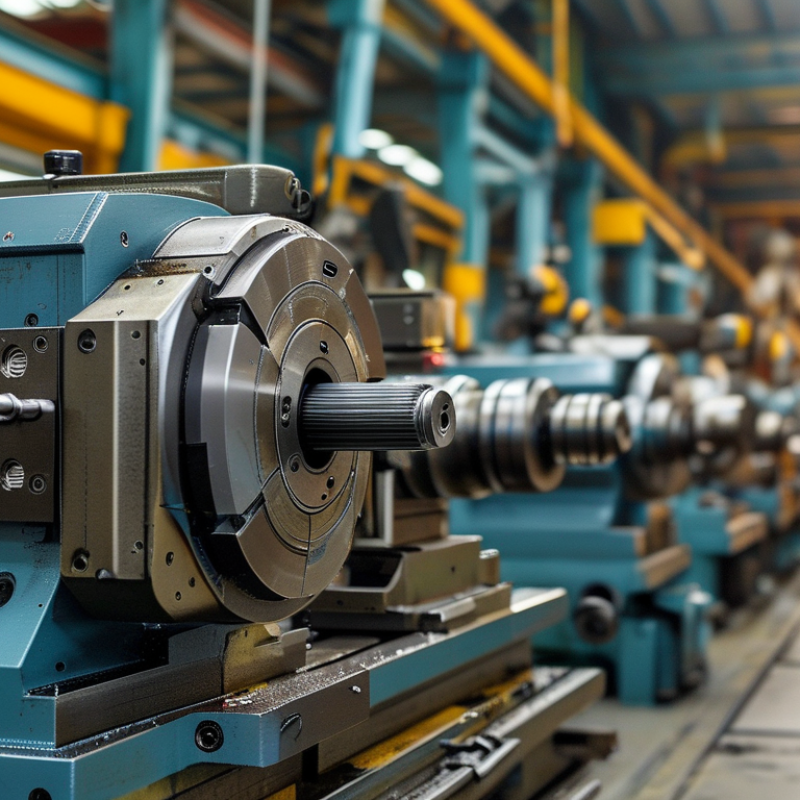
Understanding Lathe Manufacturing Procurement Requirements involves a clear grasp of the essential factors affecting purchasing decisions. Manufacturers must determine the specifications needed for their lathes. Consider the type of materials to be processed. Different lathes accommodate varying sizes and weights. Identify what capabilities are essential for effective operations. This ensures the right equipment is procured.
One critical tip lies in establishing relationships with suppliers. Strong communication promotes transparency. Discuss requirements thoroughly to avoid misunderstandings. Learn about the technology they offer. Assess whether it aligns with your manufacturing needs. Regularly revisiting these conversations can reveal better solutions over time.
Lastly, assessing the total cost of ownership is crucial. The purchase price is just one aspect. Maintenance, operational costs, and potential downtime also matter. Weigh these factors carefully. They can significantly impact your long-term budget. Reflect on these areas after each procurement cycle. Continuous improvement leads to better decisions in the future.
| Tip | Description | Importance | Considerations |
|---|---|---|---|
| Define Clear Specifications | Outline the exact requirements for the lathe machines to ensure compatibility and efficiency. | High | Involve technical teams to formulate precise specifications. |
| Evaluate Supplier Credentials | Research the background and performance of potential suppliers. | High | Consider their experience, market reputation, and customer feedback. |
| Compare Total Costs | Look at not just the purchase price but also maintenance and operational costs. | Medium | Include long-term costs in your evaluation. |
| Check for Compliance Standards | Ensure lathe machines meet industry standards and regulations. | High | Stay updated on changes in compliance requirements. |
| Negotiate Flexible Terms | Aim for favorable payment terms, warranties, and return policies. | Medium | Assess the impact of terms on your cash flow. |
| Plan for Training and Support | Ensure suppliers provide adequate training and technical support. | High | Consider potential downtime due to lack of training. |
When seeking reliable lathe suppliers and manufacturers, it’s crucial to conduct thorough research. Start by identifying potential suppliers with a good track record in the industry. Look for companies that have years of experience in lathe manufacturing. They should possess a deep understanding of different lathe technologies. Their expertise can significantly boost your procurement success.
Reaching out to references can provide insight into their reliability. Ask for case studies or examples of previous projects. This can help gauge your supplier's capability to meet specific requirements. Don’t overlook customer reviews. They often reveal potential issues or strengths in a supplier's service. Engaging with suppliers directly allows you to assess their communication clarity. Reliable suppliers will clarify processes and timelines without ambiguity.
Consider visiting manufacturing facilities. This may reveal operational efficiencies or shortcomings. Observing machinery and the production environment offers deeper insights into quality control. It helps you reflect on whether they align with your standards. It’s essential to weigh these observations critically. A supplier's surface-level appeal may hide deeper issues.
When it comes to lathe procurement, understanding costs and budget can significantly influence project success. Begin by conducting a thorough cost analysis. Identify all potential expenses, including equipment pricing, installation, and ongoing maintenance. This encompasses both direct costs and indirect costs that might arise during operation.
In the budgeting phase, flexibility is crucial. Unexpected expenses can emerge from various sources. Set aside a contingency fund of about 10% of the overall budget. This can alleviate financial strain if unforeseen issues arise. Research into financing options may also provide additional avenues for resource allocation. Not every project goes according to plan, and having a buffer can make a considerable difference.
Considering supplier relationships is vital as well. Building a network of reliable suppliers can lead to better pricing and service support. However, be wary of overestimating the commitment from partners. Contracts should allow for renegotiation in case of market shifts. This reflects a balanced approach to procurement—ensuring quality without compromising budget integrity.
When it comes to lathe manufacturing procurement, quality assurance and certification standards play a vital role. Evaluating these standards is essential for ensuring the durability and reliability of the products. Reliable manufacturers often hold ISO certifications, proving their commitment to quality. This recognition indicates adherence to internationally accepted guidelines and practices. Additionally, look for facilities that conduct regular audits and inspections. Such measures help in maintaining consistent production quality.
Investigating the specific quality assurance processes is equally important. Ask about the testing methods used, such as dimensional inspections and performance evaluations. This provides insights into the manufacturer's attention to detail. It might be useful to request reports from previous projects. They can reveal how manufacturers have dealt with challenges and ensured quality.
Don't shy away from seeking third-party certifications. These endorsements often reflect a higher commitment to excellence. However, it's crucial to remember that not all certifications are created equal. Some may require ongoing compliance checks, while others are one-time achievements. Understanding these nuances can help avoid potential pitfalls. Diligently verifying quality assurance measures can lead to better outcomes in procurement. Focusing on these aspects lays a strong foundation for successful partnerships in manufacturing.
This bar chart represents key evaluation criteria for lathe manufacturing procurement. Each criterion is scored out of 100 to reflect its importance in selecting a supplier.
Effective communication with suppliers is vital for successful lathe manufacturing procurement. Building a strong relationship begins with clear expectations. Ensure that your requirements are explicitly stated. Include specifications, timelines, and quality standards. Misunderstandings can lead to costly delays and rework.
Listening is equally important. Engage in active dialogue with suppliers to understand their capabilities. Ask questions about their processes and constraints. This can reveal potential challenges early on. Establishing trust fosters collaboration. Remember, it’s not just about what you need, but also about how they can deliver it.
Be aware that not all suppliers will meet your expectations. Some may fall short on quality or timelines. Reflecting on these shortcomings can help you refine your procurement strategy. Adapt by seeking feedback from suppliers and improving your requirements. This iterative process enhances communication and strengthens partnerships.
Copyright © 2025 The Toolroom Inc. All Rights Reserved.
Website Design St Louis by IQComputing