Top 5 Tips for Choosing Terminal Block Connectors?
When selecting a terminal block connector, careful consideration is crucial. These components play a vital role in electrical connections, impacting performance and reliability. The right connector ensures safety and efficiency in various applications, from industrial machinery to consumer electronics.
There are numerous factors to evaluate, including the material, size, and application type. It's easy to overlook these details. Some may choose based solely on appearance or cost, which can lead to issues later on. The importance of compatibility cannot be overstated, as using the wrong terminal block connector may result in failures or hazards.
Expertise in connector specifications is essential. Understanding current ratings, voltage requirements, and environmental conditions can make a significant difference. Pinpointing these elements can sometimes be challenging, but they dictate the success of the overall project. Taking the time to research and reflect on each option will ultimately lead to a more informed choice, ensuring your connections meet the highest quality standards.
Understanding Different Types of Terminal Block Connectors
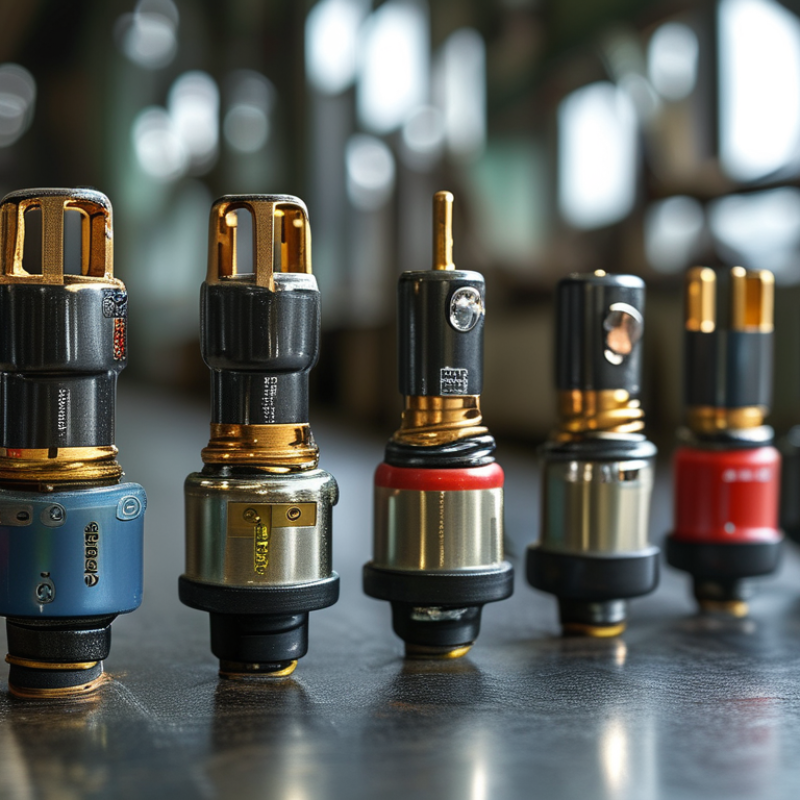
When choosing terminal block connectors, understanding the different types is crucial. Terminal blocks come in various forms, each serving distinct purposes in electrical applications. The most common types include screw-type, spring-clamp, and push-in connectors. Screw-type connectors are reliable and allow for easy adjustments. However, they require tools, which might not always be convenient in tight spaces.
Spring-clamp connectors are user-friendly and enable quick installations. They provide a secure grip on wires without additional tools. This efficiency can be a blessing in high-paced environments. Push-in connectors simplify the wiring process further, which is appealing for beginners. Yet, these connectors may lack the robustness of their screw-type counterparts.
While these types offer clear advantages, there are considerations. Not all connectors are suited for heavy-duty applications. Wiring space can also be an issue; some connectors require more room than others. Carefully analyzing the application and environment can prevent future complications. Choosing the right connector may seem straightforward, but the wrong choice could lead to system failures. It's essential to weigh the pros and cons before committing to a specific type.
Assessing the Electrical Specifications of Terminal Blocks
When selecting terminal block connectors, electrical specifications are crucial. Voltage ratings and current capacities play a key role. Consider the environment where the connectors will be used. Temperature extremes can impact performance. High humidity or exposure to chemicals can also be limiting factors.
The insulation material significantly affects safety and durability. Thermoplastics are common, but some applications need more robust materials. Check for UL ratings or certifications to ensure reliability. Dimensions matter too. A well-fitted terminal block can prevent connection failures. Too tight or too loose leads to problems.
It's easy to overlook details. Analyze your wiring gauge against the connector specs. Mismatches can cause overheating. Review the application requirements thoroughly. Understand the load demands and choose connectors accordingly. Inadequate specifications can lead to costly failures. Careful evaluation helps you avoid future issues.
Evaluating the Material and Durability of Connectors
When selecting terminal block connectors, evaluating the material and durability is crucial. The connector's longevity often hinges on the materials used. Common choices include plastic, metal, and composite materials. Each offers different benefits and vulnerabilities. Plastic can be lightweight but less heat-resistant. Metal often provides superior strength but may corrode over time.
Consider the operating environment of the connectors. Corrosive environments demand materials resistant to chemical damage. Above all, check the temperature ratings. Connectors must withstand specific heat and cold extremes. If overlooked, this can lead to early failures in functionality.
Here are a few tips:
First, always review the connectors’ specifications. This ensures they meet the required standards for your project. Second, inspect the connectors for physical defects. A small crack could lead to significant issues. Lastly, consult with manufacturers or professionals about your choices, as their insights can provide valuable guidance.
Choosing the right connector material may be challenging, but careful evaluation leads to better performance and safety.
Considering the Size and Configuration for Your Application
When selecting terminal block connectors, size and configuration are crucial. The physical dimensions must match your specific application needs. Measure the available space carefully. Compact environments may need smaller connectors without sacrificing performance. Larger connectors could offer more connections but can be cumbersome. Consider where the connectors will fit within your machinery or electronic assemblies.
Configuration affects connectivity and reliability. Look at pin layouts and contact design. Different styles cater to distinct electrical requirements. Straight or angled contacts might be necessary based on your wiring setup. Think about how connections will be made. Will they be permanent, or will you require frequent disconnections? Each choice can impact ease of maintenance and operational efficiency.
Reflect on potential challenges. The wrong connector can lead to issues like improper fit, loose connections, or electrical shorts. Consider consulting with experts. Their insights can prevent costly mistakes. Always remember that your choice should align with your overarching system design for optimal performance.
Top 5 Tips for Choosing Terminal Block Connectors
| Tip Number | Tip Description | Size Considerations | Configuration Options |
| 1 | Identify the necessary current rating for your application. | Ensure the connector can handle the maximum current without overheating. | Select between single-level and multi-level configurations. |
| 2 | Consider the environmental conditions of the installation site. | Choose connectors with appropriate IP ratings for dust and moisture. | Option for screw or spring clamp connections based on vibrations. |
| 3 | Evaluate the required number of connections. | Ensure enough poles are available for your specific configuration. | Consider modular connectors for expanding connection requirements. |
| 4 | Assess the ease of installation and maintenance. | Larger connectors may offer easier handling. | Look for features like push-in or tool-less options for simplified maintenance. |
| 5 | Review available certifications for safety and compliance. | Select connectors that meet international standards for your region. | Check compatibility with existing equipment and components. |
Checking Compatibility with Existing Wiring and Components
Choosing terminal block connectors requires careful attention to compatibility with existing wiring and components. Incorrect connections can lead to equipment failures or safety hazards. According to a recent industry report, nearly 30% of electrical faults stem from connection issues.
When assessing compatibility, consider the wire gauge and insulation type. Each terminal block has specific requirements. For instance, a connector designed for 12 AWG wire may not suit 14 AWG. Additionally, insulation materials like PVC or Teflon can affect performance at different voltage levels. It's crucial to verify specifications in detail.
Not all terminal blocks are universal. Factors such as current rating, mounting options, and environmental conditions are important. A study highlighted that 40% of engineers have faced challenges due to inadequate compatibility checks. Even slight misalignments can cause overheating, which might go unnoticed until it's too late. The right connector ensures safety and reliability in your electrical system.
Top 5 Tips for Choosing Terminal Block Connectors