Ultimate Tips for Choosing Aluminum Windows for Your Home?
Choosing the right windows for your home can significantly impact aesthetics and energy efficiency. Aluminum Windows are popular due to their durability and sleek design. According to a recent report by the U.S. Department of Energy, well-chosen windows can reduce energy bills by up to 30%. This data highlights the importance of making informed decisions in your selection process.
Aluminum window frames are known for their strength. They resist warping and rotting, outperforming wood in moisture-rich environments. However, not all aluminum windows are created equal. Some may have low thermal performance. The National Fenestration Rating Council (NFRC) provides essential ratings that help homeowners select the most efficient products.
While aluminum windows offer numerous benefits, potential buyers should also consider cost and insulation. Quality installations can be expensive, but they yield long-term savings. Some homeowners may overlook aesthetic appeal, leading to regret. In the market, a thorough exploration of options avoids impulsive choices and ensures lasting satisfaction with aluminum windows.
Understanding the Benefits of Aluminum Windows for Your Home
Aluminum windows offer a range of benefits that make them a smart choice for homeowners. They are lightweight and resistant to corrosion. This durability means they require less maintenance over time. Homeowners appreciate these qualities, especially in climates with extreme weather. Additionally, aluminum windows can be customized to fit any style, enhancing the aesthetic appeal of your home.
Energy efficiency is another important aspect. Properly insulated aluminum windows help reduce heating and cooling costs. They can minimize outside noise, creating a quieter living environment. However, not all aluminum windows are created equal. Some windows may require additional insulation for optimal performance. Testing the windows for air leaks or subpar installation is crucial.
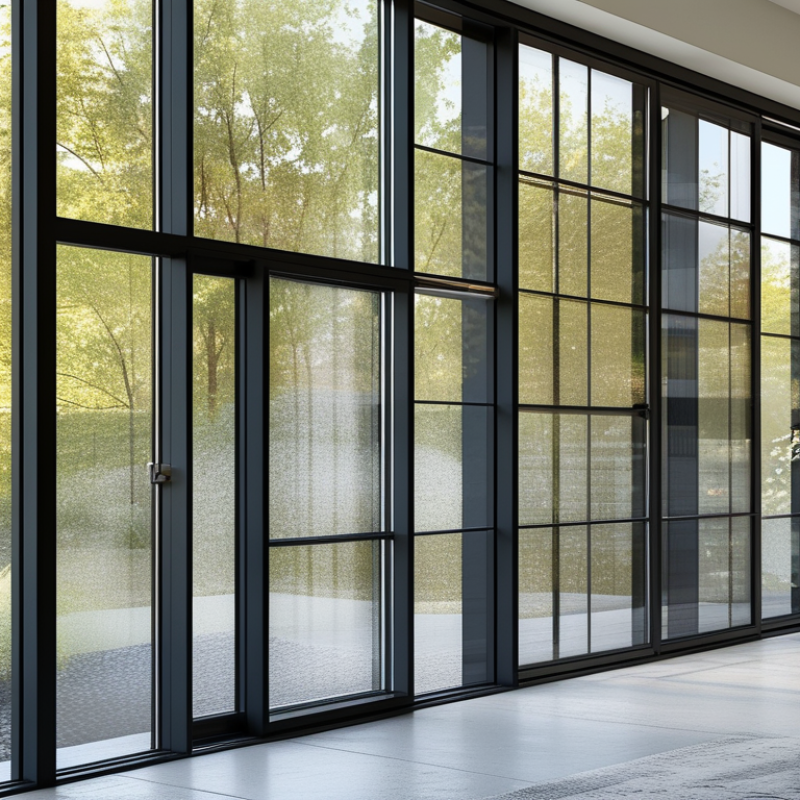
Moreover, aluminum windows have a modern look that can elevate any space. The sleek frames allow for larger glass panels, offering beautiful views and more natural light. Despite their many advantages, some may find them less energy-efficient compared to other materials if not chosen wisely. Researching various options and consulting experts ensures that you make informed decisions.
Key Factors to Consider When Choosing Aluminum Windows
When selecting aluminum windows for your home, a few key factors can guide your decision. Start by considering the climate in your area. Aluminum is known for its strength but can conduct heat. Look for windows with thermal breaks to enhance insulation. This helps maintain your indoor temperature while ensuring energy efficiency.
Next, inspect the design options available. Aluminum windows come in various styles, from sleek modern frames to classic designs. Think about how these styles will harmonize with your home's architecture. Quality matters too. Check the finish and coatings; these can affect durability and maintenance. A professional installation is crucial as well, so seek skilled installers to avoid future issues.
Lastly, budget is a significant factor. While aluminum windows can be more expensive initially, their longevity may save you costs over time. Balance your choice with maintenance needs and energy savings. Reflect on your priorities—do aesthetics outweigh functionality? Finding the ideal fit is often a process of trial and error. Focus on the aspects that truly matter to you.
Comparing Different Styles and Designs of Aluminum Windows
When comparing different styles and designs of aluminum windows, it’s essential to consider your home’s architecture. Aluminum windows come in various styles, such as casement, sliding, and awning. Each offers unique features and benefits. For example, casement windows open outward, providing excellent ventilation and unobstructed views. They are ideal for contemporary homes.
The design also matters. Modern aluminum windows can feature sleek frames and large glass panes. They enhance natural light and give a minimalist look. However, traditional styles with grilles may suit older homes better. Customization options exist, but they can drive up costs. It’s crucial to strike a balance between style and budget.
Another aspect to ponder is insulation. Aluminum can conduct heat, but advanced thermal breaks can improve energy efficiency. Choosing insulated models can reduce your energy bills. We must question how much energy efficiency matters to us. Designs that look appealing might not always perform well. Always weigh aesthetics against functionality before making a decision.
Evaluating Energy Efficiency Ratings for Aluminum Window Options
When choosing aluminum windows, energy efficiency is a key factor. It directly impacts your energy bills and overall comfort. Look for windows with high energy efficiency ratings. These ratings indicate how much heat is retained or lost through the window. Windows with low U-values and high Solar Heat Gain Coefficient (SHGC) are preferable.
Tips for evaluating these ratings include checking labels. Certifications, like Energy Star, signify reliable performance. Consider the climate in your area. For colder climates, windows with better insulation are crucial. In warmer regions, opt for options that reduce heat from sunlight.
Take time to research the insulation features. The type of glazing and frame design matters. Some windows may have thermal breaks to enhance efficiency. Reflect on how different features affect overall performance. While initial costs might be higher, the savings on energy bills can be significant. Ensure you weigh short-term expenses against long-term benefits.
Maintenance Tips for Long-Lasting Aluminum Windows
Aluminum windows are known for their durability and resistance to corrosion. Regular maintenance is essential to maximize their lifespan. Start by cleaning the frames regularly. Use a mild detergent and warm water to remove dirt. Rinsing with a hose can prevent residue buildup. According to industry data, neglected windows can lose up to 25% of their insulating properties over time.
Inspect gaskets and seals often. Damaged seals can lead to air leaks and reduce energy efficiency. A study indicates that up to 30% of heat loss in homes occurs due to poor sealing. When you notice wear, it's crucial to replace them promptly. Additionally, aluminum can oxidize. Applying a protective coating can prevent this issue, helping windows maintain their aesthetic appeal.
Consider lubricating moving parts, like hinges and locks, every six months. This will ensure smooth operation and extend functionality. Ignoring lubrication can lead to rust and breakage. Regular maintenance can seem tedious, but it ultimately pays off, saving costs on replacements and repairs in the long run. Each small effort contributes significantly to the overall lifespan of your aluminum windows.