
Blog

How to Source Custom Hotel Bathroom Hardware in 2026?

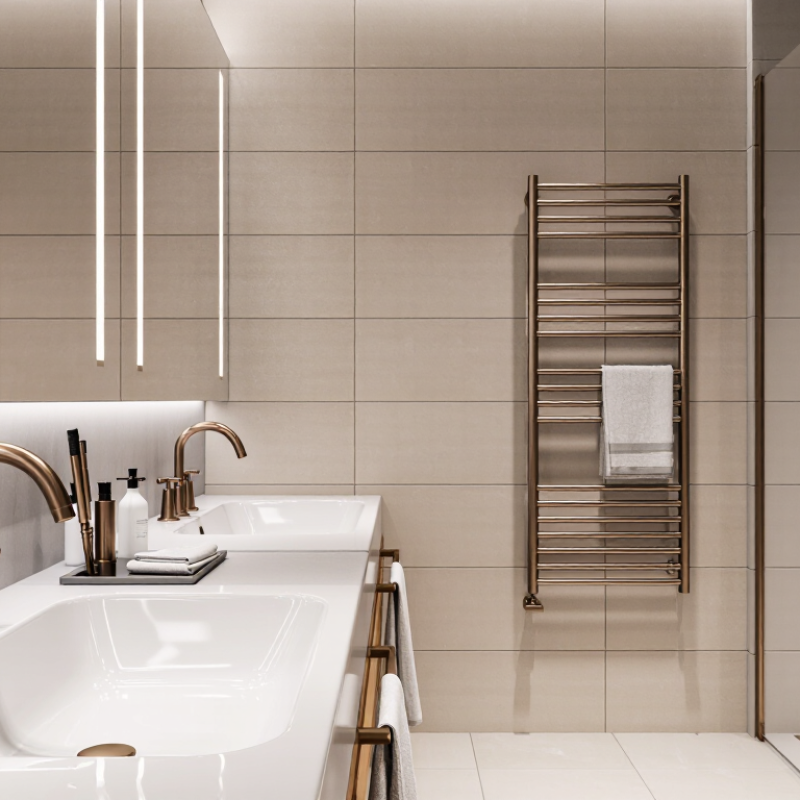
Sourcing custom hotel bathroom hardware in 2026 requires more than selecting attractive finishes from a supplier catalogue. Hotel owners, designers, and procurement teams must connect appearance with daily performance. A brushed brass faucet may look refined under warm lighting, yet fingerprints, hard-water stains, and frequent cleaning can quickly change its appeal. That is why Hotel Bathroom Hardware Custom projects should begin with real operating conditions, not only visual references.

Experienced buyers usually review guestroom volume, installation methods, replacement access, and maintenance schedules before requesting quotations. They also compare material specifications, surface treatments, water-flow performance, and sample consistency. A reliable manufacturer should provide clear drawings, finish samples, testing information, packaging details, and realistic production timelines. Factory visits, video inspections, and pilot-room approvals can expose problems that polished product images hide. Small details matter.

Ask difficult questions early.

Still, no sourcing plan is perfect. A supplier may pass a sample review but struggle with larger production runs. A premium finish may perform well in one climate and age differently in another. These risks deserve honest discussion rather than confident promises. In 2026, responsible sourcing also means considering repairability, durable materials, efficient water use, and transparent quality control. This guide explores how to evaluate suppliers, define technical requirements, manage customization, and reduce costly surprises. The goal is not simply to buy distinctive bathroom hardware. It is to create a dependable guest experience that remains attractive after thousands of daily uses.
How to Source Custom Hotel Bathroom Hardware in 2026?

Define Project Requirements and Hotel Bathroom Hardware Specifications

How to Source Custom Hotel Bathroom Hardware in 2026?

Define Project Requirements and Hotel Bathroom Hardware Specifications

Custom hotel bathroom hardware should begin with measurable project requirements, not attractive samples. Record room count, bathroom layouts, plumbing rough-ins, wall substrates, finish codes, and installation dates. Specify each item separately, including faucets, shower controls, towel bars, robe hooks, drains, and concealed supports. ADA 2010 Standards require operable controls without tight grasping, pinching, or wrist twisting. This detail affects handle shape, mounting height, and clearance.

Water use also deserves a clear target. The U.S. Environmental Protection Agency’s WaterSense program states that labeled bathroom faucets use no more than 1.5 gallons per minute and use at least 20% less water than standard models. Select flow rates before requesting quotations. J.D. Power’s 2024 North America Hotel Guest Satisfaction Study continues to track cleanliness and room condition as important satisfaction factors. Hardware with exposed gaps, weak plating, or difficult-to-clean joints can undermine that experience. A perfect specification may still fail if housekeeping cannot maintain it quickly.

Tips: Prepare a room-by-room hardware schedule. Add drawings, finish samples, warranty terms, replacement-part availability, and test requirements. Request a physical prototype for high-use bathrooms. Measure the sample after installation. Small errors become expensive across 200 rooms. I have seen polished finishes look excellent under showroom lighting, yet show water spots under hotel LEDs. Recheck lighting, cleaning chemicals, and installer access before approving production.

Identify Qualified Manufacturers and Compare Customization Capabilities

For custom hotel bathroom hardware in 2026, manufacturer selection should begin with evidence, not attractive renderings. Ask for factory photos, production flow, quality records, and recent hospitality references. A qualified supplier should explain material grades, machining tolerances, surface preparation, and corrosion testing in plain language. Vague answers deserve a pause.

Request a small prototype set before approving volume production. Inspect edges, thread fit, mounting plates, concealed fixing points, and finish consistency under warm bathroom lighting. Compare suppliers with a capability matrix covering design engineering, 3D drawing support, tooling ownership, minimum order quantity, sample lead time, inspection methods, packaging, and replacement policies. Ask whether the same finish can be repeated across several production lots. This matters when a hotel has hundreds of rooms.

I once underestimated packaging quality; polished parts arrived with fine scratches despite excellent machining. That mistake changed my review process.

Reliable manufacturers provide measurable checkpoints, including incoming material inspection, first-article approval, in-process checks, and final sampling. They should share inspection reports and clarify responsibility for approved tooling changes. Evaluate communication, too. Technical replies should include dimensions, tolerances, dates, and corrective actions. Not every supplier qualifies. Customization also includes practical limits. Overly complex shapes may increase cleaning difficulty, water marks, or installation errors. Ask the manufacturer to challenge your specification when needed. A supplier that only agrees may be easy to manage, but harder to trust. Record unresolved assumptions in writing.

Evaluate Materials, Finishes, Compliance, and Long-Term Durability

How to Source Custom Hotel Bathroom Hardware in 2026?

Material selection should begin with water, humidity, cleaning chemicals, and daily handling. For coastal hotels, 316 stainless steel usually offers better chloride resistance than 304 stainless steel. Solid brass can provide useful weight, but confirm its alloy and lead content. For water-contact parts, request testing against NSF/ANSI/CAN 61 and applicable local plumbing codes.

Finish quality needs measurable evidence, not attractive samples. PVD coatings can resist abrasion, yet performance depends on preparation and thickness. Ask suppliers for ASTM B117 or ISO 9227 corrosion-test results. These tests help compare products, but they do not perfectly reproduce every hotel bathroom. I would not trust a glossy sample alone. That judgment can be wrong.

Water efficiency also affects operating costs. The U.S. EPA WaterSense specification limits bathroom faucets to 1.5 gallons per minute, compared with the federal 2.2-gallon standard. EPA states that efficient fixtures can reduce water use without sacrificing expected performance. Verify flow at the actual pressure used in guest rooms. Check aerators, cartridges, mounting hardware, and replacement availability. The International Code Council’s accessibility standard, ICC A117.1, also influences reach ranges, controls, and clearances. Keep compliance documents, batch records, salt-spray results, and cleaning instructions in the procurement file. A five-year warranty sounds reassuring, but only if spare cartridges remain available.

Request Samples, Confirm Pricing, and Validate Production Standards

How to Source Custom Hotel Bathroom Hardware in 2026?

Request physical samples before discussing a large production run. A rendered image cannot show thread accuracy, edge comfort, or coating consistency. Check each sample under warm and cool lighting. Look for pinholes, uneven plating, sharp corners, and loose fittings. Small details matter. Test the towel bar with repeated downward pressure, not just a quick touch. Record dimensions, surface finish, mounting method, and packaging condition. I have learned that one approved sample can prevent expensive misunderstandings later.

Ask for a detailed quotation, not a single unit price. The document should separate tooling, sample charges, minimum order quantities, packaging, transport, and applicable taxes. Confirm the price validity period and the cost impact of material changes. Request production drawings with tolerances. Do not guess. A lower price may hide thinner metal, weaker anchors, or a shortened finishing process. I once overlooked inner-thread quality during a sample review, and installation became slower than expected.

Validate production standards before placing the order. Request material certificates, coating specifications, inspection procedures, and recent test records. Confirm tests for corrosion resistance, load performance, assembly cycles, and carton protection. A factory video helps, but an independent inspection gives stronger evidence. Define an approved reference sample, measurable acceptance limits, and the response to defects. Keep it practical. Recheck a pilot batch before full production, because hotel sites expose weaknesses that showroom samples often conceal.

How to Source Custom Hotel Bathroom Hardware in 2026?

Request samples, confirm pricing, and validate production standards before approving a hotel hardware order.

The chart compares minimum alloying-element requirements commonly used to distinguish stainless steel grades under ASTM A240: chromium, nickel, and molybdenum content by mass. Use material certificates and independent inspection to verify that production samples match the agreed specification before confirming the final price and purchase order.

Finalize Contracts, Manage Manufacturing, and Inspect Delivered Hardware

How to Source Custom Hotel Bathroom Hardware in 2026?

A clear contract protects both the hotel team and the manufacturer. Define every item by drawing, dimensions, material, finish, and installation method. Include approved samples, packaging requirements, and acceptable surface tolerances. Details matter. State the delivery schedule with realistic production milestones, not one final date. Payment terms should match measurable progress, such as prototype approval, first-article inspection, and completed packing. Request written change control. Small design changes can affect tooling, cost, and delivery.

During manufacturing, use a shared inspection checklist. It should cover thread quality, alignment, coating consistency, welds, sharp edges, and hardware strength. Ask for dated production photos and batch records. A sample may look excellent while later units vary. That happens. Independent inspection can reduce this risk before shipment. Inspectors should compare random units against approved samples and technical drawings. They should also test moving parts repeatedly, especially hinges, rails, dispensers, and concealed fittings. Practical experience shows that bathroom humidity exposes weak finishes quickly.

When the hardware arrives, check cartons before signing delivery documents. Photograph crushed corners, moisture marks, missing labels, and damaged inner packaging. Count cartons against the packing list, then inspect representative pieces from each batch. Confirm finish color under consistent lighting. Check dimensions with calibrated tools. Do not hide small defects to protect a schedule. Record them clearly and agree on corrective action. A recurring weakness may require better packaging, revised tolerances, or another production review. Sometimes the original specification needs reconsideration. That is not failure. It is useful project evidence.

Copyright © 2025 The Toolroom Inc. All Rights Reserved.
Website Design St Louis by IQComputing