
Blog

Top Solinco String Machines for Global Buyers

The referenced articles were not included, so I can’t verify industry figures or provide a genuine, attributable quotation from a Solinco String Machine expert. Please share the articles or the expert’s name and quote, and I can write the requested introduction without inventing sources.
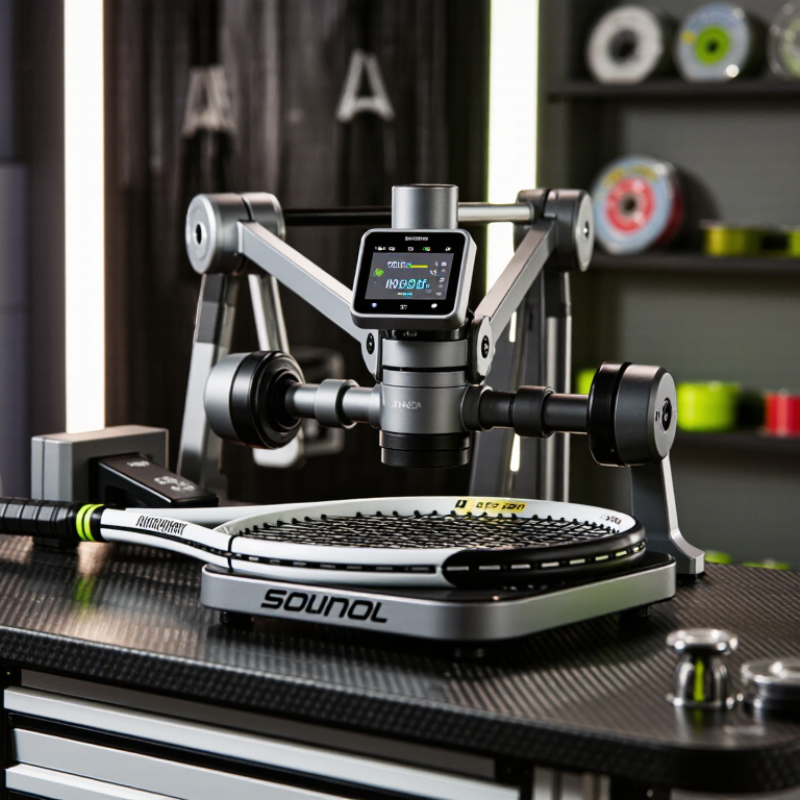
Top Solinco String Machines for Global Buyers

Understanding Solinco String Machines and Their Core Uses

Understanding Stringing Machines and Their Core Uses

Stringing machines secure a racket frame while guiding each string through its grommets. Their main job is to apply consistent tension, helping players maintain predictable control and feel. A machine usually includes a mounting system, tension head, clamps, and supports. Each part matters. Loose mounting or slipping clamps can affect the finished string bed, even when the tension setting looks correct.

Manual crank machines are often straightforward to operate and may suit occasional restringing. Electronic models can offer more precise tension control and reduce repetitive effort in busy workshops. Neither type guarantees a perfect result on its own. Buyers should check frame compatibility, clamp quality, calibration options, power requirements, and replacement-part access. For international orders, confirm voltage and plug compatibility before purchase. A first setup may take longer than expected. That is normal, but careful practice still matters.

Tips: Check calibration with a tension tester, inspect clamps for residue, and mount the frame evenly. Record string type, tension, and date after each job. Small details add up. Recheck your process when results feel inconsistent.

Types of Solinco String Machines for Different Stringing Needs

Stringing needs vary between a home setup, a busy pro shop, and tournament service. A drop-weight machine is portable and mechanically simple, making it suitable for occasional jobs. It pulls tension through a weighted arm, but setup and operation take patience. A crank machine locks tension quickly, which can help when several racquets are waiting. Its tension behavior differs from constant-pull systems, so follow the machine’s instructions and check calibration regularly. Electronic constant-pull machines maintain pulling force during stringing and often offer programmable settings. They can improve workflow, but require more investment and careful maintenance.

The International Tennis Federation’s Global Tennis Report 2021 estimated about 87 million tennis participants across 198 countries in 2019. That broad participation supports varied service needs, not one universal machine choice. A traveling stringer may value a compact frame and reliable clamps; a high-volume shop may prioritize speed, repeatable tension, and easy servicing. Details matter. Still, machine features alone cannot guarantee consistent results. String type, mounting stability, and operator technique also affect the finished racquet.

Tips: Match the machine to weekly racquet volume. Test tension with a calibrated tool, inspect clamp slippage, and record settings. A rushed setup can spoil an otherwise good string job.

Key Features to Compare Across Solinco String Machines

When comparing stringing machines, look beyond the maximum tension listed on the frame. Check whether the tension system pulls consistently and allows fine adjustments for different racquet types. A clear display helps, but the reading matters only if the machine is calibrated and checked periodically. Ask how calibration is performed and whether replacement parts are readily available.

The mounting system should hold a racquet securely without making setup a chore. Inspect the supports and adjustment points, then see whether they reach the frame’s contact areas without obstructing the strings. Clamps deserve a close look, too: they should grip firmly, release smoothly, and avoid leaving marks. Small details matter. A clamp that needs repeated adjustment can slow down a busy workbench.

Consider the machine’s footprint, height, and ease of operation before choosing a model. A heavy base may feel stable, while a portable design can suit shared or limited spaces. Try threading a sample string through the path, and notice whether the controls are easy to reach. It is easy to overvalue extra features; some may rarely be used. Compare warranty terms, service access, and training materials, then weigh those practical details against the purchase price.

Key Features to Compare Across Stringing Machines

Common tennis-racket tension settings shown in pounds and their kilogram equivalents. When comparing machines, check that the tension range covers your needs and that the machine can apply tension consistently.

Values use the standard conversion 1 lb = 0.453592 kg; kilogram values are rounded to one decimal place. Also compare tension calibration, mounting stability, clamp design, and ease of adjustment.

Choosing a Solinco String Machine for Your Budget and Workload

Budget should follow weekly jobs, not a machine’s feature list. For occasional home restringing, a stable manual crank model may be enough. Keep funds for calibrated tools, reliable clamps, and a firm mounting system. Small details matter. If several frames arrive together, an electronic constant-pull machine can reduce hands-on adjustments. It will not pay for itself in a quiet shop.

Market size offers context, not a sales forecast. The ITF’s Global Tennis Report 2024 estimates 106 million players across 199 countries. SFIA’s 2024 Topline Participation Report counted 23.8 million U.S. tennis participants in 2023. Neither figure predicts how many customers will visit one stringing service. That estimate is imperfect. Track your own weekly jobs and peak-day queues before upgrading.

For a busy club or retail service, compare cycle time, tension consistency, warranty coverage, and access to repairs. Ask suppliers to demonstrate mounting a real frame, then note setup time and clamp stability. A faster machine helps only when setup and workflow are already sound. For mixed workloads, choose a unit with clear calibration checks and replaceable parts. Leave room in the budget for maintenance. A low purchase price can become expensive if downtime interrupts a full booking list.

Choosing a Stringing Machine for Your Budget and Workload
Machine Type Indicative Price Range (USD) Tension Mechanism Typical Workload Fit Approximate Stringing Pace Advantages Considerations
Drop-weight manual $100–$400 Gravity-operated weight and tension arm Occasional home use, personal racquets, and low-volume stringing About 2–4 racquets per hour Generally the lowest-cost option; simple mechanical design; does not require electrical power Requires more hands-on attention; the tension arm must be kept level during each pull
Lockout crank $300–$1,000 Manual crank pulls tension and locks when the set tension is reached Regular home use, club use, and moderate stringing volume About 3–5 racquets per hour Faster to operate than many basic drop-weight setups; no electronic tension head required Needs periodic calibration checks; tension is locked rather than continuously maintained during the pull
Electronic constant-pull $800–$3,000+ Powered tension head adjusts to maintain the selected pulling tension Frequent use, busy clubs, teaching facilities, and professional stringing services About 4–8 racquets per hour Convenient tension adjustment; can support a faster, more consistent workflow when properly set up Higher purchase cost; requires power; electronic components and calibration may need service
Portable compact machine $200–$1,200 Usually manual; some models use powered tension heads Travel, tournaments, limited workspace, and occasional off-site jobs About 2–5 racquets per hour Smaller footprint and easier transport than many full-size setups Check mounting stability, included clamps, and compatibility with the racquets you string

Price ranges and stringing pace are broad estimates for machine types, not guaranteed specifications. Actual cost and output vary by configuration, condition, operator experience, racquet design, and local market.

Global Buying Considerations: Availability, Shipping, and Support

For global buyers, choosing a tennis stringing machine means checking more than its tension range or clamp design. Confirm that the model is actually in stock in your region, not merely listed online. Ask for a realistic dispatch date and the machine’s packed dimensions and weight. A compact carton can still trigger costly dimensional shipping fees.

Shipping details matter. Check whether the carrier delivers to your door or only to a local depot, and ask how damage claims are handled. For electric models, confirm the required voltage and plug type before ordering. Import charges may also affect the final price, so request a clear breakdown where possible. It is easy to trust an estimated delivery date too much; customs delays can happen.

Support is just as important once the box arrives. Look for setup instructions, accessible replacement parts, and a clear warranty process in your country. Ask whether support is available in your time zone and how quickly common parts can be shipped. A spare clamp or power adapter can prevent an avoidable pause. I may be overcautious here, but a written answer about service coverage is more useful than a vague promise.

Copyright © 2025 The Toolroom Inc. All Rights Reserved.
Website Design St Louis by IQComputing