Plastic Injection Molding Tips for Beginners and Experts?
Plastic injection molding is a popular manufacturing process. It allows for the creation of complex parts quickly. This technique involves injecting molten plastic into a mold. The result is precise and repeatable products. However, mastering this process can be challenging.
For beginners, understanding the basics is crucial. They must learn about materials and machines. It’s easy to get overwhelmed by technical jargon. Even small mistakes can lead to defects. Experienced users also face challenges. They must keep up with new technologies and trends.
Exploring practical tips is essential for both groups. Each tip can reveal insights into improving efficiency. Sharing experiences can highlight common pitfalls. Reflecting on these lessons is necessary. After all, every mistake offers a chance for growth in plastic injection molding.
Understanding the Basics of Plastic Injection Molding Techniques
Plastic injection molding is a widely used manufacturing process. It creates components by injecting molten plastic into a mold. Understanding the basics is essential for anyone interested in this technique. Starting with high-quality material is crucial. Poor-quality plastic can lead to flaws in the final product.
Temperature control during the molding process is vital. If the material is too hot, it can degrade. If too cool, it won't fill the mold properly. Many beginners overlook this aspect, leading to defects. It's easy to forget the impact that cooling channels have on solidification time. Every little detail contributes to the overall success of the project.
Experimenting with mold design can bring new insights. Complex designs often challenge newcomers but can yield exciting results. Failing sometimes is part of development. Evaluate what went wrong and adjust for next time. Reflection can improve the process significantly. Emphasis on small adjustments can lead to big improvements over time.
Plastic Injection Molding Techniques Usage by Experience Level
Choosing the Right Materials for Injection Molding Projects
Choosing the right materials for injection molding is essential for successful projects. Different materials have unique properties that influence the final product. For beginners, starting with common thermoplastics like ABS can be a good choice. They are easy to work with and widely available. However, they might not offer the strength needed for industrial applications.
Experts often experiment with specialized materials, such as polycarbonate or nylon. These materials provide enhanced durability and temperature resistance. But they can be challenging to process. This can lead to defects like warping or inadequate filling if not handled correctly. Understanding material behavior in the molding process is crucial for avoiding these pitfalls.
When selecting materials, consider the application requirements. Think about factors like strength, flexibility, and environmental resistance. However, beginners might struggle to balance cost and quality. It's important to choose materials that fit the project's needs without overspending. Researching and testing different options can aid in making informed decisions. Trials may reveal unexpected challenges that require adjustments.
Plastic Injection Molding Tips for Beginners and Experts - Choosing the Right Materials for Injection Molding Projects
| Material Type |
Properties |
Best Applications |
Cost (per kg) |
Difficulty Level |
| Polyethylene (PE) |
Flexible, chemical resistant |
Bottles, containers |
$2.00 |
Easy |
| Polypropylene (PP) |
Durable, high melting point |
Automotive parts, packaging |
$1.80 |
Easy |
| Polyvinyl Chloride (PVC) |
Rigid, weather-resistant |
Pipes, window frames |
$1.50 |
Medium |
| Acrylonitrile Butadiene Styrene (ABS) |
Strong, impact-resistant |
Consumer electronics, LEGO bricks |
$2.50 |
Medium |
| Nylon (Polyamide) |
Strong, wear-resistant |
Textiles, automotive components |
$3.50 |
Advanced |
Step-by-Step Guide to Setting Up Injection Molding Machines
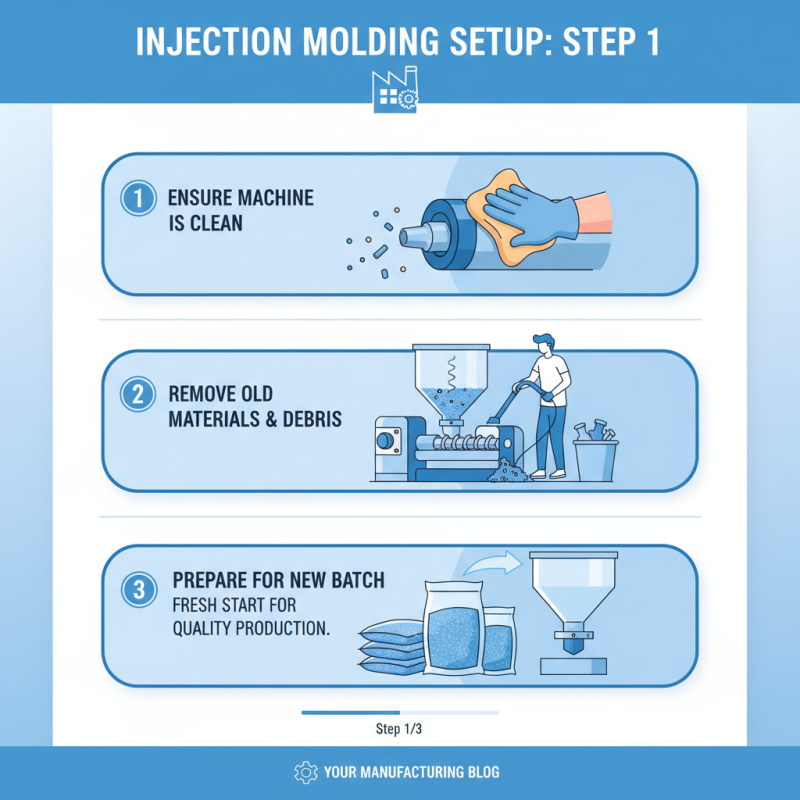
Setting up injection molding machines can seem daunting. However, with a clear step-by-step approach, even beginners can master the basics. Start by ensuring the machine is clean. Remove any old materials or debris. This creates a fresh start for the new batch you're about to produce.
Next, check the necessary settings, including temperature and pressure. These factors greatly influence the quality of your final product. Properly calibrating them is essential but often forgotten. It's tempting to rush this step. Don’t. Little adjustments can have big impacts.
When you fill the hopper, monitor the flow closely. An inconsistent feed can lead to poor-quality parts. Another tip: test a few samples before starting full production. This ensures everything is working as it should. Remember, mistakes in the setup phase can cost you time and materials. Reflect on each step and make notes. Continuous learning is key in this field.
Common Mistakes to Avoid in Plastic Injection Molding
Common mistakes in plastic injection molding often stem from a lack of understanding of material properties. For instance, using incorrect resin types can lead to defects. A report by the Society of Plastics Engineers indicates that nearly 30% of defects originate from material choice. Choosing the right plastic is crucial for successful molding.
Temperature control is another aspect that should not be overlooked. Inconsistent temperatures can result in uneven flow and weak points. The industry standard suggests maintaining a temperature tolerance of ±5°C. Many beginners underestimate this, leading to subpar products.
Tip: Always test your setup. Small adjustments can make a big difference. Monitor flow rates closely to ensure consistency.
Maintenance is often neglected but is vital for longevity. Worn-out molds can produce flawed parts. It’s reported that 20% of production problems are linked to mold maintenance. Tracking wear can help prevent costly repairs.
Tip: Schedule regular maintenance checks. It can save time and reduce waste in the long run.
Advanced Techniques for Improving Molding Efficiency and Quality
Plastic injection molding is a vital process in manufacturing. To improve efficiency and quality, several advanced techniques can be implemented.
One key area is temperature control. Studies indicate that maintaining optimal processing temperatures increases production efficiency by 20%. Proper temperature settings ensure the material flows smoothly, reducing defects.
Another critical technique involves mold design. A well-designed mold can minimize cycle times. A report by the Society of Plastics Engineers noted that improved mold cooling design can reduce cycle times by up to 30%. This not only enhances efficiency but also improves the quality of the final product. If cooling channels are poorly placed, it can lead to uneven cooling and warping.
Material selection is equally important. Using advanced materials can drastically elevate the quality of molded products. However, materials can be costly, leading to budget constraints. Making informed choices about material versus cost is an ongoing challenge for manufacturers. Regular assessments of material performance can help in achieving a better balance.