How to Optimize Plastic Injection Manufacturing for Efficiency?
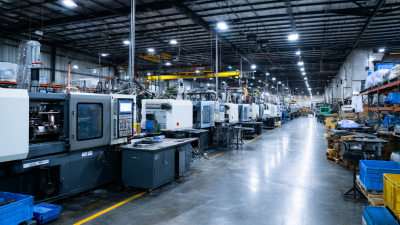
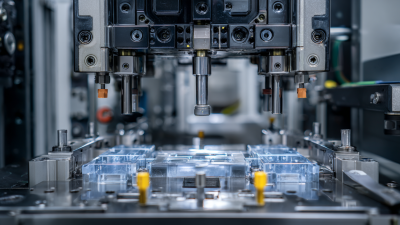
In today’s competitive landscape, optimizing plastic injection manufacturing is crucial. This process involves creating parts by injecting molten plastic into molds. Efficiency in this method can significantly reduce production costs and time. However, many manufacturers overlook specific aspects that hinder their overall productivity.
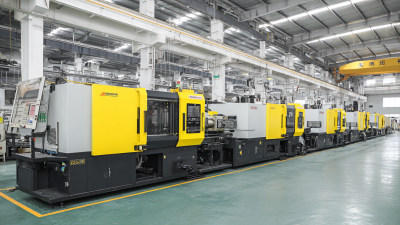
Efficiency isn't just about speed; it's about precision and quality. Streamlining operations requires careful analysis of equipment and methods. Many factories still rely on outdated machinery, which may lead to higher defect rates. In contrast, investing in modern technologies can enhance performance and output. Regular maintenance of injection machines is essential, yet often neglected.
Moreover, workforce training plays a vital role. Skilled workers can spot issues early, preventing costly mistakes. However, many companies fail to provide ongoing training. Addressing these areas is not always straightforward. It requires commitment and resources, but the benefits are worth the effort. With thoughtful adjustments, plastic injection manufacturing can reach new levels of efficiency and excellence.
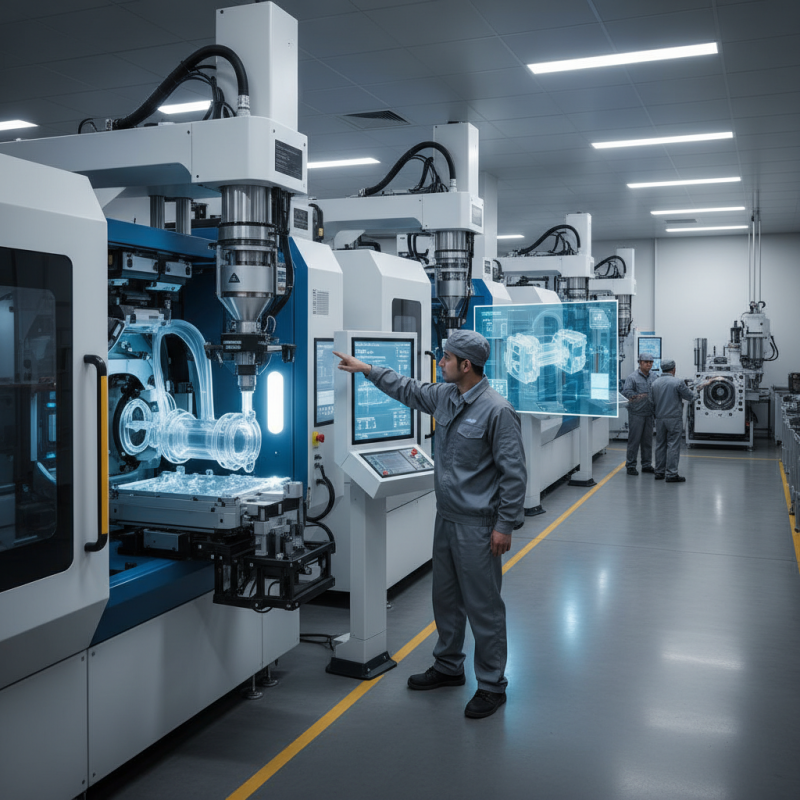
Understanding the Basics of Plastic Injection Manufacturing Efficiency
Plastic injection manufacturing is a critical process in producing a wide range of consumer goods. To improve efficiency, it’s essential to understand the basics. According to a 2023 industry report, effective temperature control during injection can reduce cycle times by up to 30%. This emphasizes the importance of maintaining optimal conditions for enhanced production efficiency.
Additionally, data shows that the machine downtime in plastic injection molding can be as much as 20%. Regular maintenance and quick repairs are vital to lowering these figures. Operators must be vigilant in identifying potential issues before they escalate. Streamlining workflows and utilizing automation tools can also help minimize delays.
However, some companies overlook the significance of employee training in this process. Engaging operators in continuous learning leads to better decision-making on the shop floor. The 2022 manufacturing study revealed that organizations prioritizing staff expertise saw a 25% increase in overall efficiency. Reflecting on these aspects allows manufacturers to adapt and maximize their production capabilities continually.
Key Performance Indicators in Plastic Injection Molding Processes
In plastic injection molding, performance indicators are crucial. Monitoring these KPIs helps manufacturers gauge efficiency. Key metrics include cycle time, scrap rate, and energy consumption. Understanding cycle time can spotlight delays. Are molds not cooling quickly enough? A longer cycle means lost time and increased costs.
Scrap rate is another vital measure. High scrap rates signal problems in the process. Are the molds improperly designed or materials unsuitable? Each defective part increases waste and expenses. Energy consumption is equally important. Are machines running at peak efficiency? Analyzing energy use can reveal unnecessary expenditures.
Evaluating these indicators is not flawless. Sometimes, issues arise that are hard to trace. Machines may falter without clear reasons, complicating troubleshooting. Continuous monitoring is essential. Yet, overcoming these challenges can lead to significant improvements in productivity and cost savings. Balancing efficiency with quality often requires trial and error. Manufacturers should stay open to adjusting processes to meet performance goals.
How to Optimize Plastic Injection Manufacturing for Efficiency? - Key Performance Indicators in Plastic Injection Molding Processes
| KPI |
Description |
Target Value |
Current Value |
Status |
| Cycle Time |
Time taken to complete one cycle of injection molding |
25 seconds |
30 seconds |
❌ |
| Scrap Rate |
Percentage of defective products produced |
2% |
5% |
❌ |
| Machine Utilization |
Percentage of time machines are in use |
85% |
78% |
❌ |
| OEE (Overall Equipment Effectiveness) |
Comprehensive measure of manufacturing productivity |
75% |
70% |
❌ |
| Energy Consumption |
Energy used per unit produced |
0.5 kWh/unit |
0.6 kWh/unit |
❌ |
Implementing Advanced Technology for Enhanced Production Efficiency
In the plastic injection manufacturing industry, implementing advanced technology is crucial for enhancing production efficiency. According to a recent industry report, companies that adopted automation saw a 30% increase in operational efficiency. This technology reduces human error and speeds up the production process, allowing for rapid adjustments and real-time monitoring.
Tips: Explore robotic automation to streamline repetitive tasks. It can save time and reduce labor costs significantly.
Integrating machine learning algorithms can also optimize processes. These systems analyze production data to predict equipment failures, improving maintenance schedules. However, many facilities struggle with the initial setup and employee training. Adopting new technology can feel overwhelming, and resistance to change may hinder progress.
Tips: Invest in employee training programs focusing on new technologies. A well-trained workforce can maximize the benefits of advanced machinery.
Additionally, companies should analyze their existing workflows. Even minor adjustments can lead to significant improvements. For instance, modifying mold designs based on data analytics can enhance quality and reduce waste. Companies must be willing to reflect on their practices to find areas for improvement.
Strategies for Reducing Cycle Time in Injection Molding
Reducing cycle time in injection molding is crucial for improving efficiency. One effective strategy is optimizing the mold design. A well-designed mold allows quick cooling and faster heat transfer. This minimizes the time parts spend in the mold. Consider using advanced cooling channels to enhance this process. However, improper mold design can lead to quality issues.
Another key tactic involves refining the injection process itself. Adjusting injection speed and pressure can significantly impact cycle time. Faster injection speeds may reduce overall time, but they can cause defects. Balancing speed with quality is essential. Operators should monitor the process closely. Small adjustments can lead to significant improvements.
Additionally, maintenance plays a vital role in efficiency. Regular checks ensure machines run smoothly. A breakdown can halt production and extend cycle times. Neglecting maintenance can result in unexpected delays. It’s vital to reflect on current practices and look for improvement areas. Each of these strategies requires careful consideration and adjustment to find the right balance for efficient manufacturing.
Best Practices for Material Selection to Optimize Production Costs
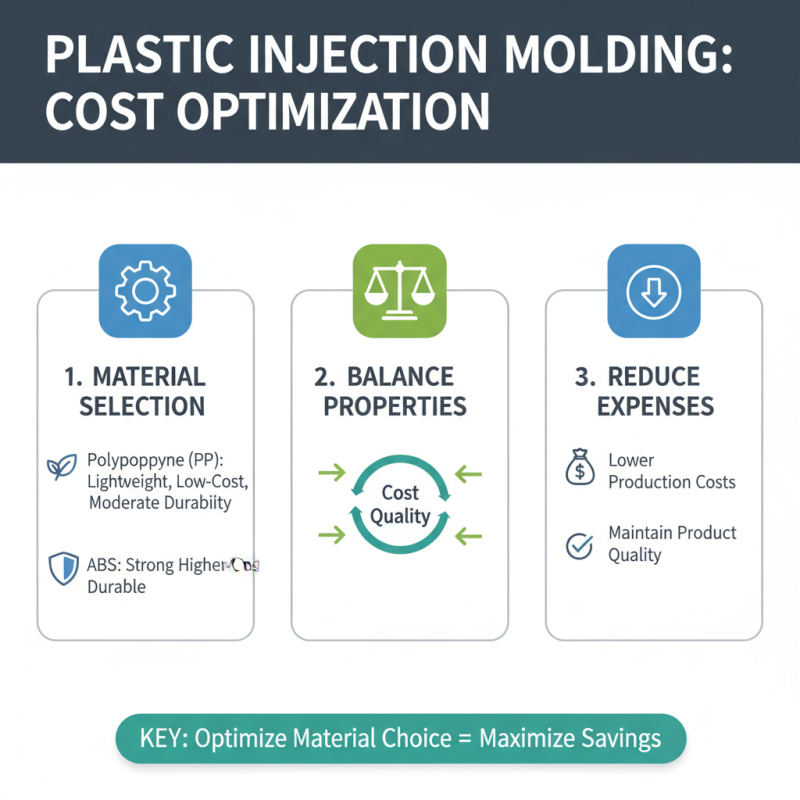
Choosing the right materials is crucial for optimizing production costs in plastic injection manufacturing. Different plastics have unique properties. For instance, polypropylene is lightweight and cost-effective but can lack durability. In contrast, ABS offers robust strength but at a higher price. Balancing these factors can lower costs without sacrificing quality.
Supplier relationships matter, too. Establishing long-term partnerships with material suppliers can lead to better pricing and availability. Regularly evaluating these contracts is necessary. Market conditions can change rapidly, affecting your material costs. This reflection can uncover savings and innovative approaches.
Recycling and reusing materials can also impact costs. Many manufacturers overlook this opportunity. While recycled materials may vary in quality, they can significantly reduce expenses. Conducting tests ensures the recycled materials meet production standards. Striving for efficiency in material selection is an ongoing process, requiring attention and adaptability.