Blog

How to Master Plastic Machining Techniques for Better Results?

Mastering plastic machining is a vital skill for many industries. As manufacturers strive for precision and efficiency, understanding the nuances of plastic machining becomes essential. This process involves shaping plastic materials through various techniques, ensuring high-quality results.

Many fail to appreciate the importance of tool selection in plastic machining. The right tool can significantly impact the finished product. For instance, a dull blade might lead to fraying edges or inaccuracies. Mistakes like these can cause delays and additional costs.

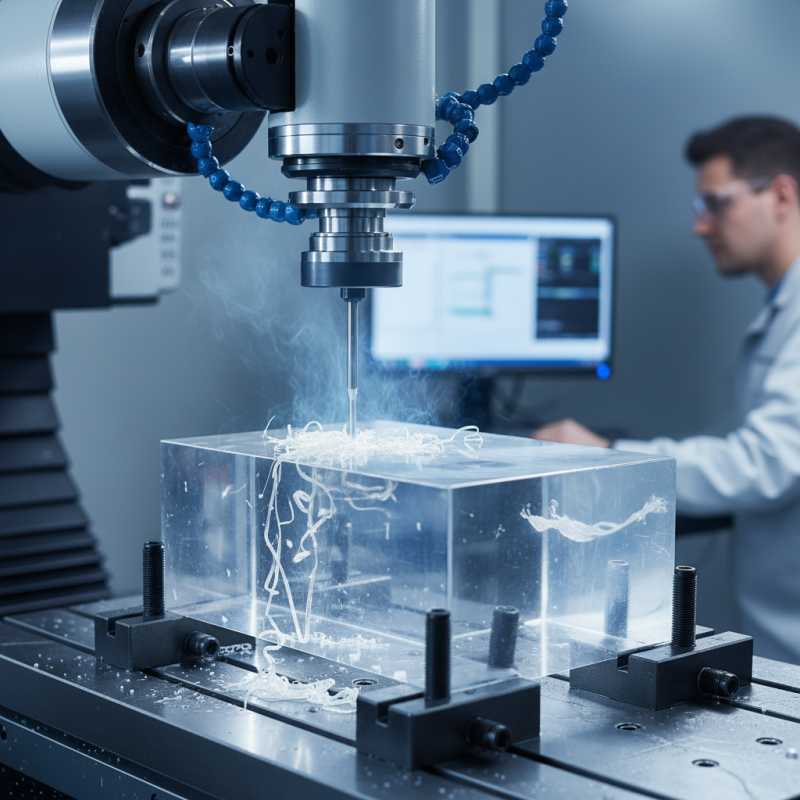
Moreover, the cooling process during plastic machining often gets overlooked. Improper cooling may warp the material or lead to surface defects. These issues highlight the need for careful attention and continuous learning in the field. Embracing challenges will refine your skills and enhance your output in plastic machining.
How to Master Plastic Machining Techniques for Better Results?

Overview of Plastic Machining Techniques

How to Master Plastic Machining Techniques for Better Results?

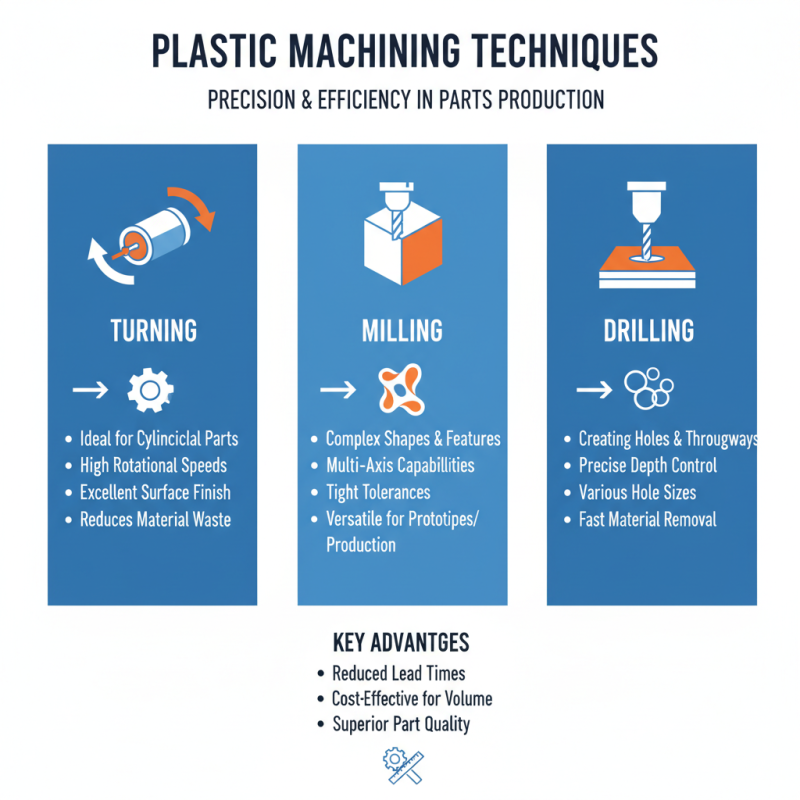
Plastic machining techniques are essential for achieving precision and efficiency in producing plastic parts. This field involves various processes, such as turning, milling, and drilling. Each technique presents unique challenges and advantages. For instance, turning is great for cylindrical parts, while milling excels at creating complex shapes. Understanding these nuances helps in selecting the right approach for each project.

When machining plastics, surface finish is crucial. The choice of tools can greatly affect the outcome. Dull tools can lead to poor finishes and increased wear. It’s important to regularly assess tool condition and replace them as necessary. Additionally, maintaining proper feed rates and speeds can prevent issues like melting or warping of the material. These details are often overlooked but play a significant role in machining success.

There are times when imperfections arise. For instance, uneven surfaces may occur if the machining parameters are not optimal. Reflecting on these flaws is essential. It encourages improvement and innovation. Continuous analysis and adjustments can lead to better results over time. Ultimately, mastering plastic machining techniques requires practice and a willingness to learn from mistakes.
Essential Tools for Effective Plastic Machining

How to Master Plastic Machining Techniques for Better Results?

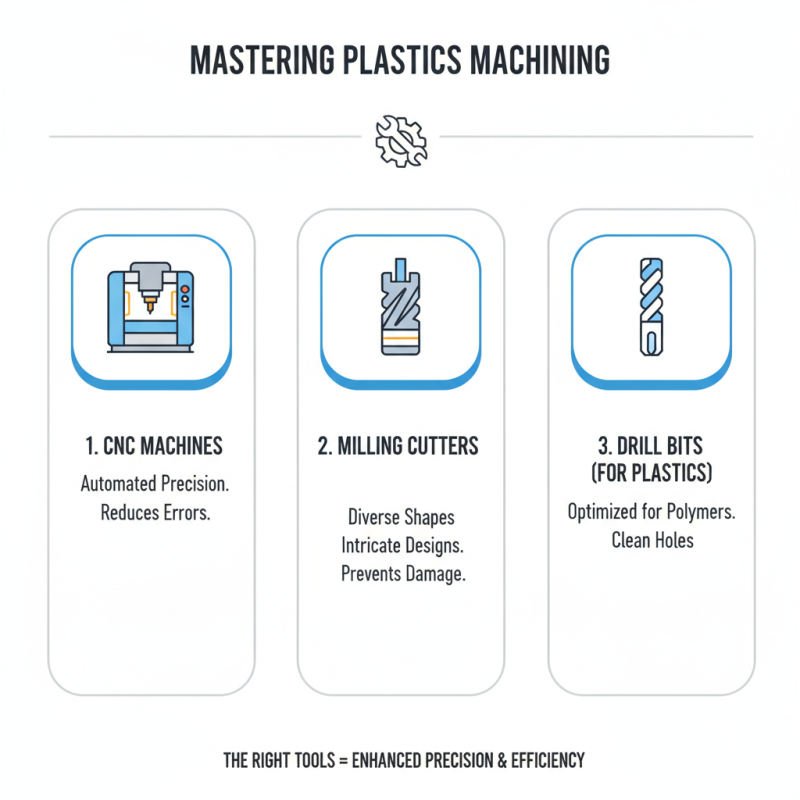
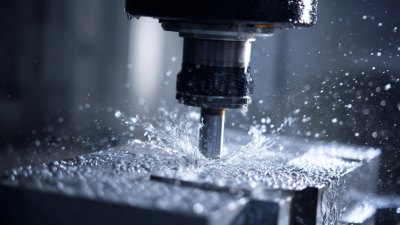
When mastering plastic machining, the right tools are crucial. Essential instruments include CNC machines, milling cutters, and drill bits designed for plastics. These tools enhance precision and efficiency. CNC machines automate processes, reducing human error. Milling cutters come in various shapes, allowing for intricate designs. Choosing the right cutter prevents material damage.

Basic tools also play a significant role. Hand tools, like saws and files, allow for detailed adjustments. These are particularly useful in small projects. However, they require a steady hand. Precision is key, but even skilled operators can make mistakes. It’s easy to overlook minor imperfections that could impact the final product.

Additionally, investing in proper safety equipment is vital. Safety goggles and gloves protect against flying debris. Yet, some inexperienced users often neglect them. This oversight can lead to injuries. Effective plastic machining is not just about tools; it’s also about user awareness and responsibility. Small lapses in precision or safety can lead to bigger issues. Every session is a learning opportunity.

Step-by-Step Guide to Precision Cutting in Plastics

Precision cutting in plastics is vital for achieving high-quality results. Various machining techniques deliver distinct benefits. For instance, laser cutting offers exceptional accuracy. Reports suggest that it can achieve tolerances of ±0.1 mm. This is crucial in industries where precision is non-negotiable, such as aerospace and medical.

However, mastering these techniques is not without challenges. Maintaining consistent feed rates can be tricky. Fluctuations often lead to uneven cuts, which can waste material. According to industry data, nearly 20% of machining time is lost due to such issues. Tools must be well-maintained. Dull blades or worn-out bits lead to imperfections that compromise quality.

Understanding the properties of different plastics is equally essential. For example, polyethylene and polycarbonate require different approaches. Recognizing these differences can reduce errors. This need for adaptability is often overlooked. A rigid mindset can stymie progress and limit potential.

Plastic Machining Techniques Effectiveness

This chart illustrates the effectiveness ratings of various plastic machining techniques on a scale from 1 to 10. Methods like CNC Machining and Laser Cutting show high effectiveness, making them optimal choices for precision cutting in plastics.

Best Practices for Machining Different Types of Plastics

When machining plastics, understanding the material is crucial. Different types of plastics behave uniquely under machining conditions. Polycarbonate, for example, is strong but can crack if not handled carefully. Other plastics, like acrylic, can melt easily if the cutting tool is too hot. This knowledge impacts your machining techniques.

Tips: Always use the right cutting speed. Slower speeds work better for softer plastics. Additionally, ensure your tools are sharp. Dull tools generate heat and create rough edges. It's essential to monitor the temperature while machining. Overheating can warp or damage the material.

Mistakes happen. Sometimes, chips get stuck and clog the cutting path. This can lead to uneven surfaces. Take a moment to adjust your setup. Remember to check for the vibration of the machine too. Excessive vibration can compromise quality. Learning from these issues improves your skills over time.

Common Challenges in Plastic Machining and Solutions

Plastic machining can be tricky. Several common challenges arise during this process. Heat buildup is one issue. It can cause warping and melting. To combat this, use slower speeds and feed rates. Employing proper cooling techniques will help maintain material integrity.

Another challenge involves chip formation. Poor chip removal can lead to tool damage. Ensure the right tools are used for the specific plastic type. Regular tool maintenance is essential. Dull tools produce uneven cuts and can create stress points in the material.

Some machinists struggle with tolerances. The precision required in plastic machining is often demanding. Even slight deviations can lead to failures in applications. Regularly inspect your work against measurements. Take the time to adjust your techniques. Reflect on past mistakes to improve. Consistent practice leads to mastery, but perfection is rare.

How to Master Plastic Machining Techniques for Better Results?

Challenge Description Common Solutions Best Practices
Surface Finish Achieving a smooth finish on plastic parts can be challenging. Use fine tooling and appropriate speeds. Regularly maintain tooling conditions.
Material Warpage Plastic parts may warp during machining due to internal stresses. Choose the right grade of plastic and control temperature. Ensure proper cooling and stabilizing techniques.
Dimensional Accuracy Maintaining tight tolerances can be difficult. Use CNC machines with high precision capabilities. Regularly calibrate equipment for accuracy.
Tool Wear Tools can wear down quickly when machining plastics. Monitor tool life and replace as needed. Use appropriate cutting speeds and feeds for specific materials.

Copyright © 2025 The Toolroom Inc. All Rights Reserved.
Website Design St Louis by IQComputing