How to Master Injection Mold Making Techniques for Efficient Production
Injection mold making is a critical process that serves as the backbone of modern manufacturing, enabling the efficient production of a myriad of plastic components used in various industries. Mastering the techniques associated with injection mold making is essential for manufacturers striving to enhance productivity and maintain a competitive edge. As the demand for high-quality, intricate designs increases, understanding the nuances of mold design, material selection, and machining becomes imperative for success in this field.
Effective injection mold making not only influences the durability and precision of the final product but also significantly impacts overall production efficiency. By focusing on optimizing mold design and utilizing advanced technology, manufacturers can minimize waste and reduce cycle times, leading to an increase in output while simultaneously lowering costs. As such, individuals seeking to excel in injection mold making must adopt a mindset geared towards continuous learning and improvement, keeping abreast of innovations that can streamline their processes.
In this comprehensive guide, we will explore essential strategies and best practices for mastering injection mold making techniques, providing insights that can translate into significant advancements in both quality and efficiency. Whether you are a seasoned professional or new to the field, understanding the fundamentals of injection mold making is paramount to achieving success in today's rapidly evolving manufacturing landscape.
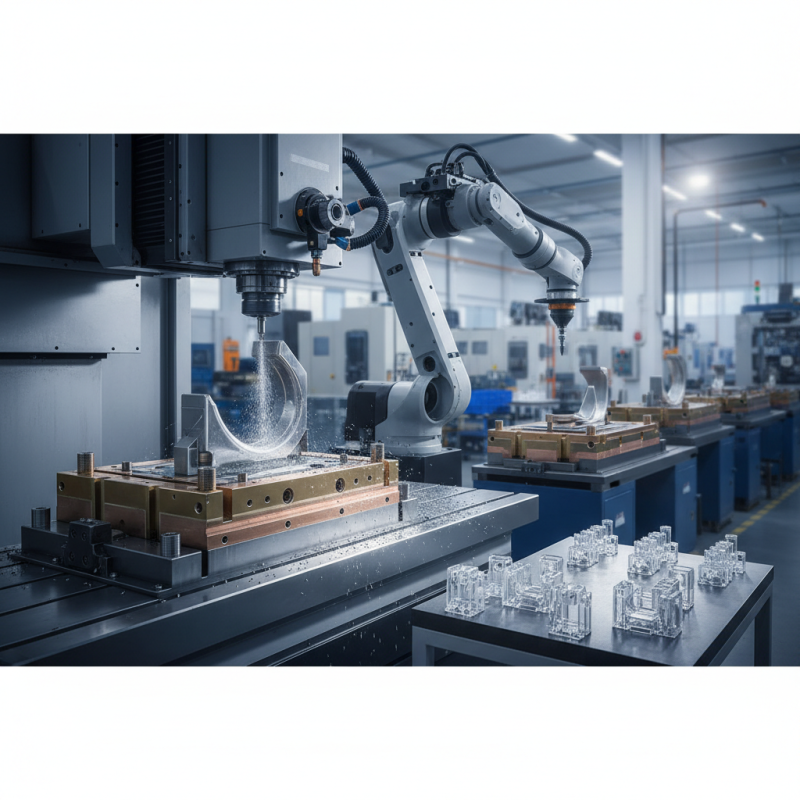
Understanding the Basics of Injection Mold Making and Its Applications
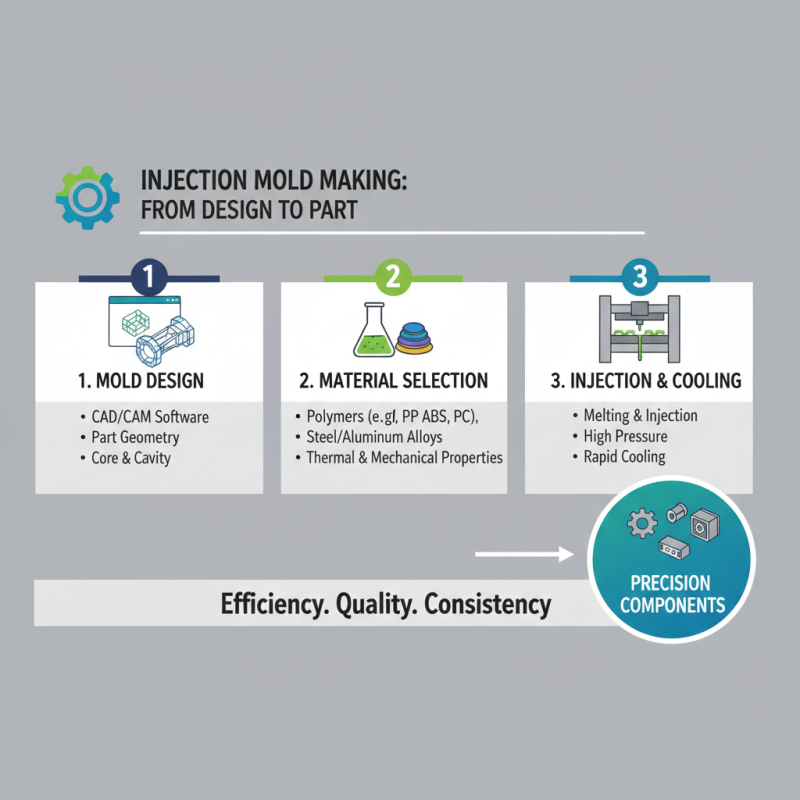
Injection mold making is a crucial process in the manufacturing industry, enabling the efficient production of a wide variety of plastic components. Understanding the basics of this technique allows manufacturers to create complex parts with precision and consistency. The foundational elements involve the design of the mold itself, the selection of materials, and the operation of injection molding machines. Mastering these elements not only improves the quality of the final product but also enhances production efficiency.
When embarking on the journey of mastering injection mold making, here are a few tips to keep in mind. First, invest time in understanding the properties of different plastics as they can greatly influence the mold design and the final characteristics of the produced parts. Additionally, consider incorporating advanced simulation software to anticipate potential issues in the molding process, such as flow patterns and cooling times. This proactive approach can save time and resources during production.
Another essential aspect is the maintenance of mold equipment. Regular inspection and upkeep of molds and machinery can prevent costly downtimes and ensure the longevity of your equipment. Furthermore, proper training for operators is vital to minimize errors and enhance overall productivity. Emphasizing these fundamental practices will pave the way for a more efficient injection mold manufacturing process.
Essential Tools and Equipment for Efficient Mold Production
To achieve efficient mold production, having the right tools and equipment is paramount. The essential tools include
CNC milling machines and lathes, which allow for high accuracy and repeatability in producing mold components.
Complementary tools like band saws and surface grinders are also crucial for shaping and finishing mold parts to the required specifications.
Additionally, incorporating modern technology such as CAD software facilitates intricate design processes, enabling mold makers to visualize and adjust designs before physical production begins.
In addition to machining equipment, investing in high-quality injection molds is vital for streamlined production.
These molds are typically crafted from durable materials that can withstand repeated cycles, ensuring longevity and reliability.
Auxiliary equipment, such as mold temperature controllers and chillers, also play a critical role in maintaining optimal conditions during the injection process.
These devices help regulate the temperature of the molds, preventing defects and ensuring that the final products adhere to the desired standards of quality.
Each component works synergistically to create a seamless production flow, highlighting the importance of proper tools and equipment in successful injection mold making.
Step-by-Step Guide to Designing an Effective Injection Mold
Designing an effective injection mold is crucial for efficient production in the manufacturing industry. According to a report by Grand View Research, the global injection molding market is projected to reach $394.4 billion by 2027. This shows the increasing demand for precision molds that can optimize production processes. To achieve this, a clear understanding of the mold design process is essential, focusing on parameters such as material selection, cooling channel design, and part geometry.
When designing an injection mold, consider the following tips:
First, ensure that the part design is optimized for the injection molding process by minimizing complex geometries and undercuts. This can significantly reduce production costs and cycle time.
Second, incorporate conformal cooling channels that are designed to match the contours of the part. Research indicates that efficient cooling can reduce cycle times by up to 25%, leading to increased output and quality.
Lastly, always evaluate the mold flow analysis data during the design phase to identify potential issues such as air traps and flow imbalances early on, thereby avoiding costly corrections later in the production process.
By following these best practices and leveraging advanced simulation tools, manufacturers can streamline their mold-making techniques and achieve a more efficient production environment.
Best Practices for Material Selection in Injection Molding
Choosing the right materials for injection molding is crucial for optimizing production efficiency and product quality. According to a report by the Plastics Industry Association, up to 60% of manufacturers cite material selection as a significant factor influencing production costs and product performance. Common materials like polycarbonate and ABS are popular due to their excellent mechanical properties, but emerging bio-based plastics are gaining traction, driven by sustainability initiatives and consumer demand. With advances in material science, understanding the specific properties, processing temperatures, and compatibility of these materials with existing machinery can enhance production efficiency and minimize waste.
Moreover, the selection process should consider the intended application of the molded parts. For instance, the automotive and medical sectors have stringent safety and performance standards that necessitate rigorous testing. A recent survey indicates that approximately 70% of injection molders are shifting towards materials that provide higher strength-to-weight ratios and improved temperature resistance to meet these regulatory demands. This shift not only enhances product durability but also aligns with the industry trend towards lighter and more energy-efficient designs, thus supporting the overall goals of reducing environmental impact and improving manufacturing processes.
Common Challenges in Mold Making and How to Overcome Them
Injection mold making is a complex process that comes with its own set of challenges. One common issue faced by manufacturers is the difficulty in achieving precise tolerances. This can lead to defective parts and increased rework times. To overcome these challenges, it is crucial to invest in high-quality machinery and conduct regular maintenance to ensure consistent performance. Additionally, incorporating advanced technologies such as CAD and CAM can enhance design accuracy and facilitate better communication among team members, ultimately minimizing errors during the mold-making process.
Another significant challenge is managing the cooling system effectively to optimize cycle times. Poor cooling can result in warping or incomplete curing of parts. Implementing a well-designed cooling system that promotes uniform heat distribution is essential for addressing this issue. Using simulation software can help in predicting thermal behavior and improving the cooling channel design. Regular testing of the molds in the production environment also allows for fine-tuning adjustments, ensuring that cooling systems work efficiently to enhance overall productivity and part quality.