How to Master Injection Mold Making Techniques?
Injection mold making is an intricate process, essential in the manufacturing industry. According to expert Brian Smith, "Precision in every detail is key." His words emphasize the focus needed in this field. Many people overlook the complexity involved in creating molds.
In injection mold making, understanding materials can be challenging. Choosing the right resin impacts the final product's quality. Often, errors arise from insufficient knowledge. Moreover, mold design demands both creativity and technical skill. This balance can be hard to achieve.
Practicing techniques through trial and error is crucial. Mistakes provide valuable lessons. Each misstep can lead to a better understanding of the craft. Learning from these experiences is what truly refines skills in injection mold making. Continual improvement is the path to mastery.
Understanding Injection Mold Making: Principles and Applications
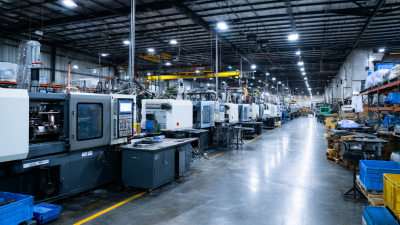
Injection mold making is a complex but fascinating process. It involves the design and creation of molds used to produce various plastic products. Understanding the principles behind this technique is crucial for aspiring mold makers. Key concepts include material selection, mold design, and the injection process itself. Each element plays a vital role in achieving a successful final product.
The application of injection mold making spans numerous industries. From automotive parts to consumer goods, the impact is widespread. However, mastering this craft is not without challenges. Often, molds require adjustments after initial production. This can lead to wasted materials and time. Experienced mold makers recognize that perfection takes practice and patience. They learn to adapt designs based on trial and error, emphasizing the importance of flexibility.
Attention to detail is essential in every stage. Even a small mistake in measurements can lead to significant issues later on. This highlights the need for thorough planning and consistent review. Continuous learning is paramount in this field. The quest for improvement means embracing imperfections and refining skills through real-world application. Mastering injection mold making is a journey that requires dedication and a willingness to face challenges head-on.
Materials Selection for Injection Molds: Choosing the Right Components
Selecting the right materials for injection molds is critical for success. The choice of materials impacts durability, precision, and cost. Stainless steel offers strength and corrosion resistance, but it can be expensive. Aluminum, on the other hand, is lighter and cheaper but may wear out faster. Balancing cost and longevity can be challenging.
Consider the intended production volume when choosing materials. For high-volume production, tougher materials are necessary. If you expect only a few runs, softer materials might suffice. It's tempting to go with the cheapest option, but this can lead to mold failures and costly delays later. Remember, quality often trumps cost in the long run.
Design features should also guide material selection. Complex designs may require materials that can withstand intricate machining. In some cases, adding features like cooling channels can affect your choice. Think through these aspects to avoid unforeseen issues. Reflect on previous projects to learn from any mistakes made in material choices. The right material makes all the difference.
Injection Mold Material Selection - Properties Comparison
Designing Effective Molds: Key Considerations and Best Practices
When designing effective molds, several key considerations come into play. Understanding the geometry of the part is crucial. Complex shapes often require advanced techniques and careful planning. The wall thickness should be consistent to avoid issues during production. Uneven thickness can lead to warping or incomplete filling of the mold. Small adjustments may seem trivial, yet they can significantly impact the final product.
Selecting the right material for the mold is another critical factor. The material must withstand high temperatures and pressures during the injection process. Each material has its pros and cons, and knowing these can help prevent costly errors. For instance, some materials may wear down faster than others. Regular maintenance of the mold is necessary to ensure longevity and performance.
Finally, testing and iteration are vital. A prototype can highlight design flaws that may not be obvious initially. Be open to feedback and willing to adapt the design based on test results. The goal is to create a mold that efficiently produces high-quality parts. It's a complex journey, filled with learning opportunities and room for improvement.
Machining Techniques for Precision Mold Creation
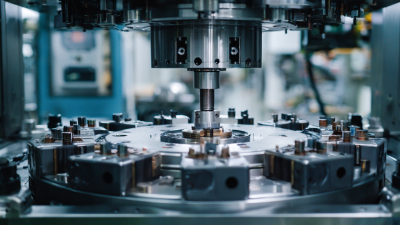
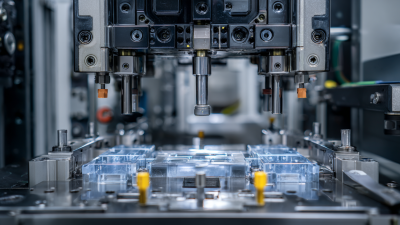
Creating precision molds requires a mastery of machining techniques. One essential method is the use of CNC milling machines. These machines produce highly accurate mold components. They can shape complex geometries with great ease.
Another critical technique is Electrical Discharge Machining (EDM). EDM allows for intricate details that traditional machining may fail to achieve. It involves removing material via electrical sparks. This method is vital for creating fine features in molds that can withstand high pressure.
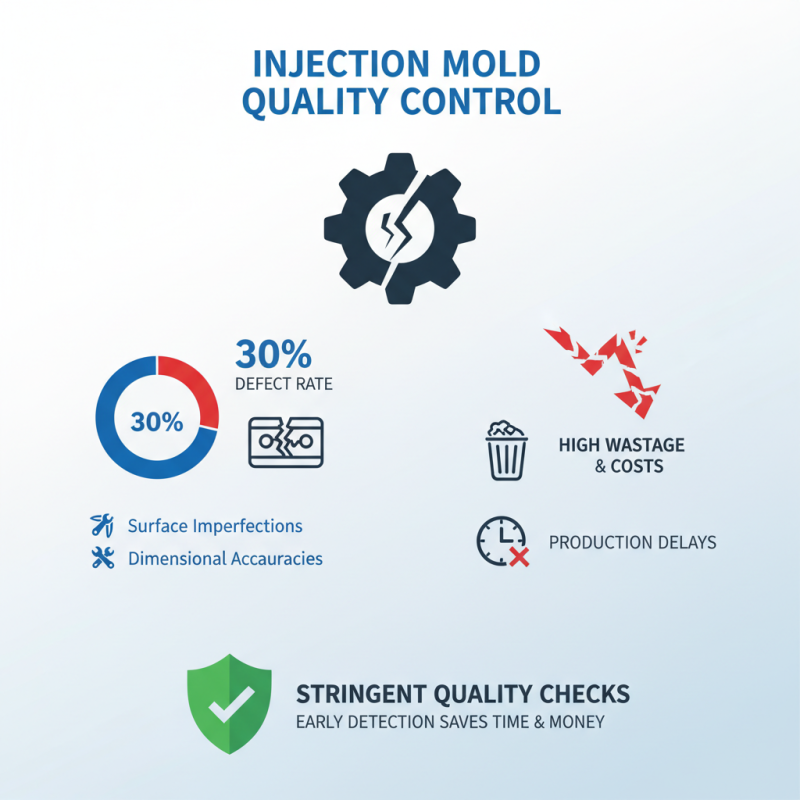
However, mastering these techniques is not without challenges. Operators must ensure proper setup and calibration to avoid errors. Small mistakes can lead to significant flaws in molds. Quality control measures should remain in place throughout the process. Regular training on the latest methods can help maintain high standards in production.
Balancing precision with speed can also pose difficulties. Reflecting on these experiences facilitates continuous improvement in mold-making skills.