
Intumescent Paint Additive is used to help coatings swell when exposed to intense heat. The expanded layer forms a thicker, insulating char that can slow heat transfer to the surface beneath it. On structural steel, for example, this may help delay the steel’s temperature rise during a fire. Some formulations are designed for wood or other substrates, but suitability depends on the product.
It is not a universal powder to stir into any paint. The coating’s performance depends on its formulation, application thickness, surface preparation, and the tested system used. A thin patch around a beam joint, or paint applied over dust or oil, may not perform like a properly prepared and coated surface. Small details matter. That part is easy to overlook.
This article explains what Intumescent Paint Additive does, where it may be used, and what to check before choosing or applying it. Look for manufacturer data on compatible binders, substrates, application rates, and curing conditions. Where fire protection is required, rely on verified product documentation and qualified guidance rather than appearance alone. The coating may look ordinary before heating. Its protective action is designed to occur under specific conditions, not to make a structure fireproof. Even careful application has limits, and those limits deserve a closer look.
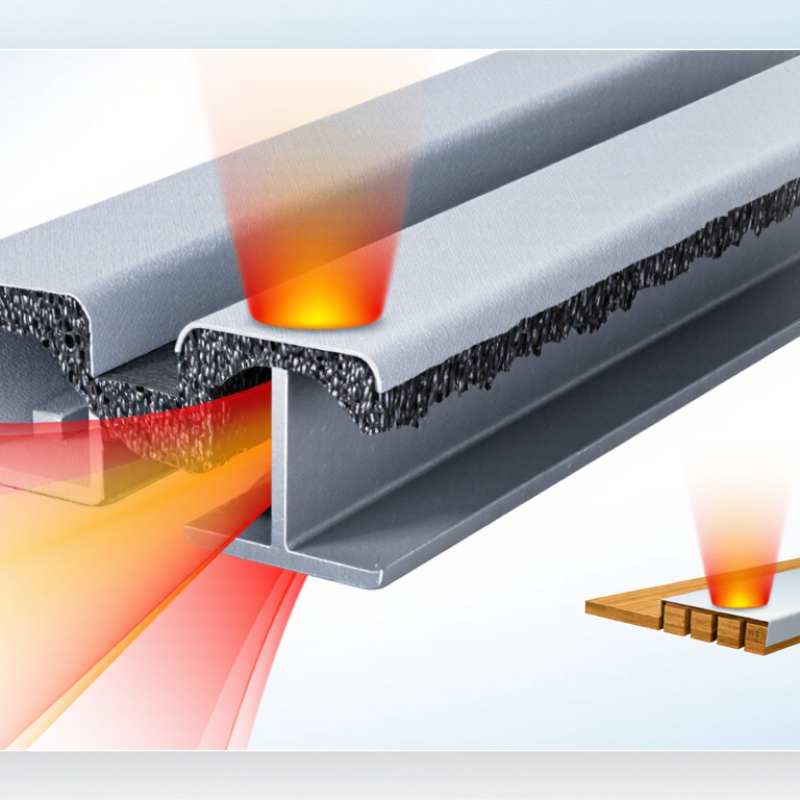
An intumescent paint additive is a heat-responsive ingredient blended into a coating. When exposed to high temperatures, it helps the coating swell and form a char layer. That layer can slow heat transfer to the surface beneath it. Some additives provide expandable graphite; others are formulated packages that work with the paint’s binder and other ingredients.
The word “additive” can be confusing: it does not mean any ordinary paint becomes fire protective after mixing.
The result depends on the whole system, including the coating formula, application thickness, substrate, and installation quality. In a fire test, a thick, continuous film matters; a thin patch near a steel beam may offer less protection.
NFPA’s Fire Loss in the United States During 2023 estimated 1,389,000 fires and $23.2 billion in direct property damage. These figures show the scale of fire risk, but they do not measure the performance of any additive.
Look for test evidence for the complete coating system, not just an ingredient’s claims.
Tips: Follow the coating maker’s specified mix ratio and dry-film thickness. Don’t add an unapproved powder to paint. Check compatibility and test documentation before application. Small details matter.
An intumescent paint additive helps a coating respond to heat by expanding into a thicker, insulating layer. At normal temperatures, the coating may look like ordinary paint. During a fire, heat activates ingredients within the coating, triggering chemical reactions that release gases and form a carbon-rich char. The layer swells. It can become many times thicker than the original dry film.
That porous char acts like a thermal barrier. It slows heat moving from the flame toward the surface beneath the coating, such as a steel beam. This can delay the steel from reaching temperatures at which it loses strength. It does not make the structure fireproof. That distinction matters. Performance depends on the coating system, the applied thickness, surface preparation, and the shape of the protected element.
In practice, an additive is formulated into a compatible coating rather than sprinkled onto a finished surface. The coating must be applied evenly and allowed to cure as specified; thin spots can leave weak points. A primer or topcoat may also affect adhesion or fire performance, so compatibility should be checked using product data and tested-system guidance. Results can vary. Even a small application error can matter, and that is easy to underestimate.
Standard Fire-Test Temperature Over Time
Intumescent additives help a coating form an insulating char when exposed to intense heat. The char expands and slows heat transfer to the protected surface. This chart shows the ISO 834 standard furnace-temperature curve, calculated from T = 20 + 345 log₁₀(8t + 1), where t is time in minutes and T is temperature in °C. It represents the test exposure—not the temperature of the coated surface or a specific coating’s performance.
An intumescent paint additive helps a suitable coating swell when exposed to intense heat. The expanded layer forms insulating char, slowing heat transfer to the material beneath it. It does not make a structure fireproof. Not by itself. The additive must be used in a coating system designed and tested for the intended surface and exposure.
Common applications include steel beams and columns, where heat can weaken load-bearing members. Some systems are also designed for timber frames, doors, or panels. Specially tested coatings may protect metal pipes, ducts, or cable supports. Coverage depends on the product and the full assembly; one additive cannot be assumed to suit every surface. Concrete and masonry often need different protection methods. Fit matters. A clean, dry substrate, compatible primer, and specified coating thickness all affect performance. On site, missed edges or uneven layers can leave vulnerable spots, even when the main surface looks covered. Check the system’s technical instructions and test evidence before specifying it.
An intumescent additive is blended into a suitable coating so the dried film can swell when exposed to heat. It forms an insulating char, but the additive must work with the paint’s binder and other ingredients. Incorporation begins with checking the supplier’s technical data for the recommended loading and mixing conditions.
Add the powder gradually to the liquid paint base while mixing, rather than pouring it in all at once. Small batches help. Use equipment that disperses the particles evenly without whipping excessive air into the mixture.
The correct loading depends on the additive and the coating formulation; there is no reliable universal ratio. Too little may limit protective performance, while too much can make the paint difficult to apply or weaken the film. Compatibility matters.
Check viscosity and look for clumps or settling after mixing. A small test batch can reveal problems before a larger quantity is prepared. Apply and cure a sample as directed, then assess its finish and performance using appropriate testing.
Mixing well is important, but it does not by itself establish a fire-resistance rating. That distinction is easy to overlook.
What Is Intumescent Paint Additive Used For?
What Factors Affect Its Performance?
Intumescent paint additives help a coating expand when exposed to high heat. The resulting char layer can slow heat transfer to the surface beneath it. They are used in protective coating formulations for materials such as structural steel. The additive alone does not guarantee protection; the complete coating system matters.
Performance depends on the additive type, its proportion, and how evenly it is dispersed. Poor mixing can leave clumps or thin patches. Substrate preparation matters, too. Dust, oil, or loose rust may weaken adhesion, while the wrong primer can affect compatibility. Small details matter.
Application conditions also shape results. Film thickness, drying time, temperature, and humidity can change how a coating cures and expands. A layer that looks smooth may still be too thin. Exposure to moisture, impact, or aging may also reduce performance over time. Testing should match the intended substrate and conditions. One easy mistake is assuming every formulation behaves the same; actual performance needs verification for the specific coating system.
| Dimension | Typical role or effect | Performance considerations |
|---|---|---|
| Purpose of intumescent additives | Formulation components help a coating expand when exposed to heat, creating an insulating char layer that slows heat transfer to the substrate. | Protection depends on the complete coating system and its tested design; an additive alone does not establish a fire-resistance rating. |
| Char-forming components | Contribute to building the expanded carbonaceous layer that shields the underlying material. | Char continuity, thickness, adhesion, and resistance to cracking or erosion affect how well the layer insulates. |
| Acid-source components | Promote chemical reactions that support char formation during heating. | Compatibility with other ingredients and the coating’s moisture resistance can influence storage stability and fire-response consistency. |
| Blowing components | Release gases under heat, helping the softening coating expand into a thicker, cellular char. | Expansion must be balanced with char strength: excessive or uneven expansion can produce a fragile protective layer. |
| Binder and coating formulation | Holds the ingredients together, supports application, and helps the dry film adhere to the substrate. | Binder chemistry, ingredient dispersion, film formation, and compatibility with primers or topcoats all matter. |
| Dry-film thickness | Provides the amount of protective coating specified for a particular tested system. | Insufficient or uneven thickness can reduce protection. Required thickness varies with the product system, substrate, and fire-test design. |
| Substrate and surface preparation | Provide the surface to which the coating must bond, such as structural steel or another approved substrate. | Cleanliness, surface profile, corrosion condition, and primer selection can affect adhesion and long-term performance. |
| Application and curing conditions | Influence film uniformity, drying, and the development of the coating’s intended properties. | Temperature, humidity, ventilation, application method, and recoat intervals should follow the system’s technical instructions. |
| Service environment and maintenance | Determine the exposure the coating must withstand before and during a fire event. | Moisture, chemicals, abrasion, weathering, and physical damage may require a compatible protective topcoat, inspection, or repair. |
| Fire-test evidence and system compatibility | Show how a complete coating assembly performs under specified fire-test conditions. | Use the tested combination of coating, primer, substrate, thickness, and topcoat; changes may require confirmation from the system provider or relevant approval documentation. |
Copyright © 2025 The Toolroom Inc. All Rights Reserved.
Website Design St Louis by IQComputing