Why is Injection Mold Making Crucial for Your Manufacturing Needs?
In today's competitive manufacturing landscape, injection mold making plays a vital role. This process impacts product quality, efficiency, and cost. Many manufacturers overlook its significance, focusing instead on design and materials. However, the intricacies of injection mold making can determine the success of a product.
The creation of molds involves precise engineering and material selection. A well-designed mold ensures consistency in production, reducing waste and defects. When mistakes occur in the mold-making phase, they can lead to costly delays and rework. Investing in high-quality molds is often an overlooked aspect that can greatly enhance reliability.
Every step in injection mold making requires skill and expertise. Even minor errors can have significant repercussions. Manufacturers must prioritize this process to fulfill their production needs effectively. Embracing this critical aspect is essential for achieving long-term success in manufacturing.
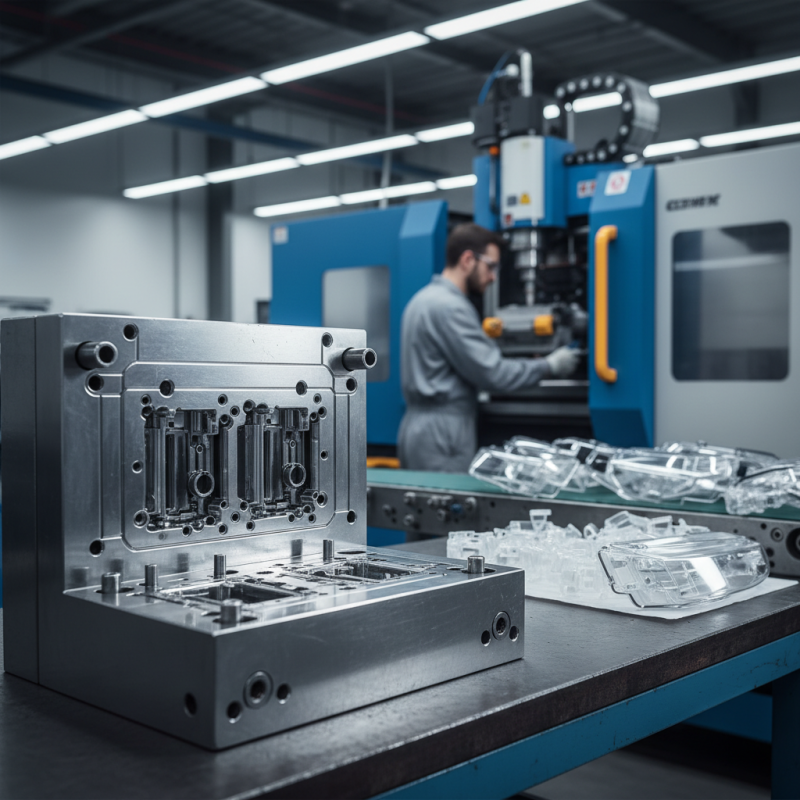
The Importance of Injection Mold Making in Modern Manufacturing
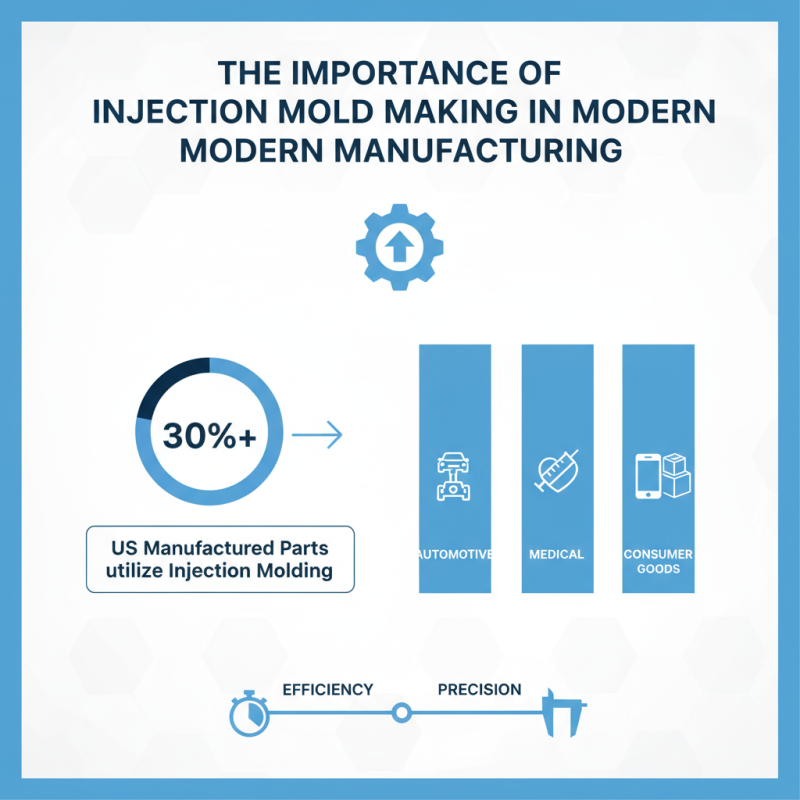
Injection mold making plays a pivotal role in modern manufacturing processes. This method is not just about creating components; it's about efficiency and precision. According to a recent report by the Plastics Industry Association, over 30% of all manufactured parts in the U.S. utilize injection molding. This statistic highlights the technique's extensive reach and its importance in various industries, including automotive, medical, and consumer goods.
The precision of injection molds allows for high-volume production with minimal waste. This is crucial in today’s economy, where cost reduction is essential. However, achieving the perfect mold isn't always straightforward. Design flaws or material issues can lead to production delays and increased costs. Many companies face challenges in choosing the right materials and cooling strategies, which can affect overall performance. In fact, studies indicate that nearly 20% of projects encounter setbacks due to issues in mold design.
Furthermore, innovation in injection mold making is continuous. Advanced technologies such as 3D printing are being integrated into the process. Yet, adapting to these changes requires ongoing training and expertise. The reliance on skilled labor also raises concerns, as a shortage of experienced technicians could impact production quality. Therefore, while injection mold making is essential, it also demands a commitment to continuous improvement and learning in the industry.
Understanding the Injection Mold Making Process and Its Steps
Injection mold making is a detailed process that plays a crucial role in manufacturing. Understanding its steps can lead to better production outcomes. The journey begins with design. Designers must create precise 3D models of the intended part. This blueprint guides the entire process. The next step involves choosing materials. The material affects the functionality and durability of the final product.
Once the design and materials are set, the mold is crafted. This involves high-precision machining. Several tools cut and shape the mold to exact specifications. After the mold is made, it undergoes testing. This step checks for any flaws and ensures it meets quality standards. However, sometimes, flaws are missed. This can lead to delays and increased costs. It's important to conduct thorough inspections during this phase.
**Tips:** Always keep a close eye on your design details. Small mistakes can lead to significant issues later. Communicate clearly with your engineering team to ensure all specifications are met. Finally, conducting regular quality checks during production can save time and resources. This proactive approach can enhance reliability in your manufacturing processes.
Why is Injection Mold Making Crucial for Your Manufacturing Needs?
| Step |
Description |
Importance |
Timeframe (Days) |
| 1 |
Initial Design and Conceptualization |
Essential for understanding product features and specifications. |
5-7 |
| 2 |
3D Modeling and Simulation |
Allows for visualization and adjustments before manufacturing. |
10-15 |
| 3 |
Tooling and Mold Fabrication |
Critical for creating accurate molds that will produce parts. |
20-30 |
| 4 |
Prototype Testing |
Validates the mold's performance and identifies any necessary changes. |
5-10 |
| 5 |
Production and Quality Control |
Ensures that the final products meet specifications and quality standards. |
Ongoing |
Key Advantages of Using Injection Molds for Production
Injection molding is vital for modern manufacturing. It offers numerous advantages, making it a preferred choice across various industries. One of the key benefits is efficiency. The process allows for high-speed production of complex parts. Molds can create multiple items simultaneously, boosting productivity. This efficiency translates to reduced lead times, which is crucial for meeting market demands.
Another major advantage of injection molding is design flexibility. This technique enables the creation of intricate shapes that traditional methods struggle with. Manufacturers can utilize a wide range of materials, adapting to specific product requirements. However, the initial cost of mold creation can be high. It requires careful planning and expertise. Companies should assess their long-term production needs before investing in molds.
Quality is another significant aspect. Injection molds produce consistent, high-quality products. However, even small errors in the mold design can lead to defects in the final product. This emphasizes the importance of precision in the mold-making process. Manufacturers must prioritize proper maintenance of molds to ensure reliability over time. Continuous improvements and attention to detail can help mitigate these challenges.
Common Materials Used in Injection Mold Making
Injection mold making relies on various materials, each chosen for specific properties. Thermoplastics are common due to their versatility. They can be melted and reshaped multiple times. This makes them ideal for rapid production runs. Examples include ABS and polypropylene, both known for their strength and durability.
Metals also play a role in mold making. Steel and aluminum are popular choices. Steel molds are robust and have a long lifespan. They are ideal for high-volume production. Aluminum, though lighter and less expensive, is suitable for shorter runs. Each metal offers different benefits, requiring careful selection.
Then there are composites and elastomers. Composites combine materials for enhanced properties, while elastomers provide flexibility. These materials can meet unique requirements but may need special handling. The selection process is not always straightforward. Each choice presents trade-offs. Understanding these materials is key for effective production.
Common Materials Used in Injection Mold Making
Factors to Consider When Choosing Injection Mold Services
When selecting injection mold services, several factors play a vital role. Experience is key. A provider with years of expertise can navigate complexities effectively. Look for a company with a proven track record. They should showcase past projects that demonstrate their skills and adaptability. It’s also crucial to check their technology. Advanced machinery can enhance precision and shorten production times.
Cost is another important consideration. While you want quality, the price must be reasonable. Cheap services may lead to poor outcomes. It’s essential to strike a balance. Communication matters too. Choose a provider who listens to your needs and offers solutions. Misunderstandings can derail projects. Timely updates and responsiveness can save time and resources.
Quality assurance cannot be overlooked. Ensure the service has stringent quality control measures. Inspecting materials and processes helps prevent defects. But remember, not every mistake can be avoided. Sometimes the final product might not meet expectations. Learn from these experiences. Reflecting on feedback can lead to improvements and better future results.