What is a Hydraulic Hose for Sale and How to Choose One?
When looking for a hydraulic hose for sale, many factors come into play. Hydraulic hoses are essential in various applications, from industrial machinery to automotive systems. They transport fluids under pressure and need to withstand high temperatures and harsh conditions. With so many options available, choosing the right one can be overwhelming.
Consider the specifications you require. Different jobs need different hose types. For example, some might need a flexible design for tight spaces, while others require durability for critical performance. Make sure to assess the working pressure, temperature range, and fluid compatibility. It’s also important to look into the hose's construction. Quality materials can make a significant difference in longevity.
While it's tempting to go for the cheapest option, remember not all hoses are created equal. Sometimes, a lower price comes at the cost of reliability. It's wise to weigh your choices carefully. Seeking expert advice can also provide clarity. You might discover that a higher upfront cost pays off in the long run through greater durability and less frequent replacements. Keep these considerations in mind as you shop for a hydraulic hose for sale.
What is a Hydraulic Hose?
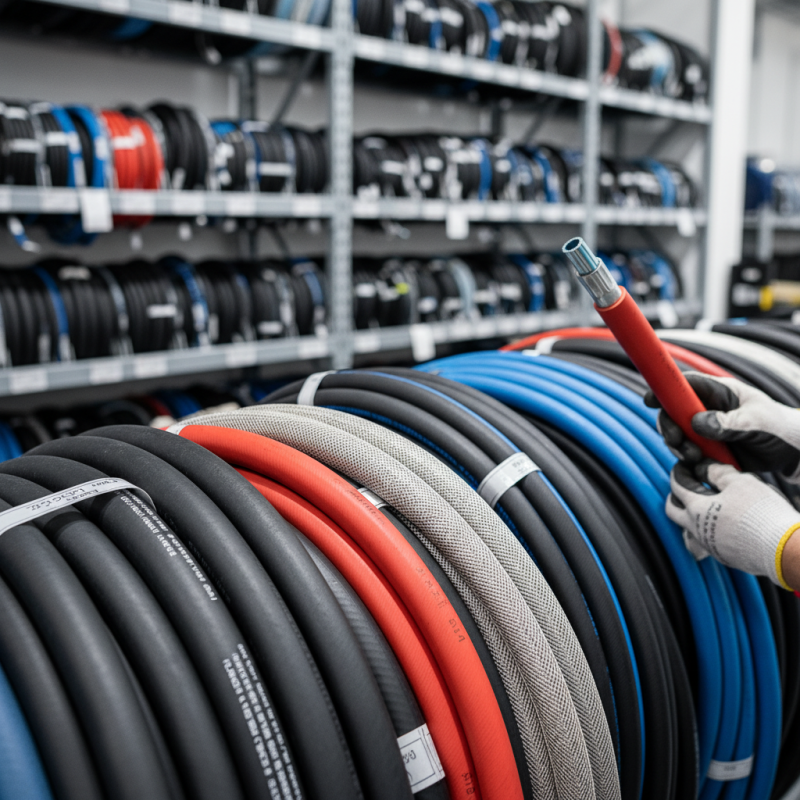
A hydraulic hose is an essential component in fluid power applications. It is designed to transfer hydraulic fluid from one part of a system to another. Typically made from durable synthetic rubber or thermoplastic, a hydraulic hose can withstand high pressure and extreme temperatures. These hoses come in various sizes and lengths, making them versatile for different machinery and vehicles.
Understanding the construction of a hydraulic hose is crucial. The outer layer protects against mechanical damage and environmental factors. Inside, layers reinforce the hose, allowing it to handle varying pressure. The inner lining ensures fluid flows smoothly without leaks. However, users often overlook the need for regular inspections. Wearing or damaged hoses can lead to significant issues in machinery performance.
Choosing the right hydraulic hose requires consideration. Users must consider factors like pressure ratings, temperature ranges, and fluid types. Compatibility with connectors is also vital. Without the right fit, leaks may occur, leading to unsafe conditions. Thus, a proper selection process is essential for efficiency and safety in hydraulic systems.
Hydraulic Hose Sales Overview
Types of Hydraulic Hoses Available for Sale
When looking for hydraulic hoses, it’s essential to know the different types available. There are various designs suited for specific applications. One common type is the rubber hydraulic hose. It's flexible and resistant to abrasion. Another type is the thermoplastic hose, known for its lightweight and durable nature. Wire-reinforced hoses also exist, typically used in high-pressure environments.
Choosing the right hydraulic hose isn’t just about style. Pressure ratings matter significantly. Overlooking this detail can lead to failures. Also, consider the temperature range. Not all hoses can withstand extreme heat or cold. It’s best to match the hose characteristics with your working conditions.
Tips: Always verify the specifications before purchasing. Some hoses can look similar yet perform very differently. If unsure, consult with an expert. Additionally, inspect for visible wear and damage regularly. Ignoring signs of deterioration will lead to costly downtime. A proactive approach can save time and money in the long run.
Key Specifications to Consider When Choosing a Hydraulic Hose
Choosing the right hydraulic hose can be crucial for system performance. Several key specifications should guide your decision. Pressure ratings are vital; ensure the hose can handle the maximum pressure. Using a hose rated lower than needed can lead to failures.
Consider the temperature range as well. Hydraulic systems often operate under extreme conditions. A hose that can't withstand heat may degrade quickly. Look for compatibility with the fluids in your system. Some hoses can corrode with certain fluids. Knowing the fluid type is essential.
Another important factor is the hose size. Proper sizing affects flow rates and efficiency. A hose that's too small restricts flow, while one that's too large may not deliver adequate pressure. It's easy to overlook these details, but they matter greatly. Don't rush the selection; take your time to assess. Each choice impacts overall effectiveness.
Factors Influencing the Quality and Durability of Hydraulic Hoses
When selecting a hydraulic hose, various factors influence its quality and durability. The type of materials used plays a significant role. For instance, synthetic rubber hoses typically resist aging better than natural rubber. According to industry reports, hoses made from high-quality EPDM rubber can have a lifespan up to 50% longer in harsh conditions.
Another critical factor is the temperature and pressure ratings. Hoses designed for high-pressure applications need to withstand more strain. A recent survey from the Hydraulic Industry Association indicated that improper selection based on pressure ratings is a common pitfall. Many users overlook this, leading to early failures. Additionally, the construction of the hose, including its reinforcement layers, impacts both flexibility and strength.
Environmental conditions also affect hose performance. Exposure to ultraviolet light and harsh chemicals can degrade hoses over time. A study found that hoses used in outdoor applications have a 35% higher chance of failure due to such factors. Users often underestimate these environmental impacts. Investing time in understanding these variables can lead to better choices and enhanced durability of hydraulic hoses.
Tips for Proper Maintenance and Usage of Hydraulic Hoses
Hydraulic hoses are vital for smooth machinery operation. Proper maintenance ensures safety and reliability. According to industry reports, faulty hoses can lead to equipment failures in 20% of hydraulic systems. Regular inspection is key. Check for wear and tear, especially at connection points. A small crack can become a big problem.
When using hydraulic hoses, avoid sharp bends. Kinking hoses may cause pressure loss and hydraulic failure. Ensure that hose fittings are properly secured. According to recent studies, improper installation accounts for 30% of hose failures. Always follow guidelines for pressure ratings to prevent bursting.
It’s important to keep hoses clean and free from contaminants. Dirt and debris can compromise performance. Regular cleaning can extend the hose's lifespan. Many users tend to overlook this aspect. Ignoring maintenance can lead to unexpected downtime. Be proactive and monitor performance regularly.
What is a Hydraulic Hose for Sale and How to Choose One? - Tips for Proper Maintenance and Usage of Hydraulic Hoses
| Type of Hydraulic Hose | Pressure Rating (PSI) | Temperature Range (°F) | Inner Diameter (inches) | Applications |
| Standard Hydraulic Hose | 1,500 - 3,000 | -40 to 212 | 1/4 - 2 | Construction, Agriculture |
| High-Pressure Hydraulic Hose | 3,000 - 6,000 | -40 to 250 | 1/4 - 1 | Heavy Machinery, Industrial Equipment |
| Low-Pressure Hydraulic Hose | Under 1,500 | -40 to 180 | 1/4 - 2 | Return Lines, Lubrication Systems |
| Reinforced Hydraulic Hose | 2,500 - 5,000 | -40 to 212 | 1/2 - 2 | Mining, Oil & Gas |
| Thermoplastic Hydraulic Hose | 1,500 - 3,000 | -40 to 200 | 3/16 - 1 | Agricultural Sprayers, Tire Inflation |