What is a Forklift Collision Detection System and How Does It Work?
In the bustling world of warehouses and industrial sites, safety remains a top priority. The growing prevalence of Forklift Collision Detection Systems (FCDS) emphasizes this need. According to the Material Handling Industry of America, accidents involving forklifts account for nearly 25% of all workplace injuries in warehouses. Such statistics highlight the urgency for effective safety solutions.
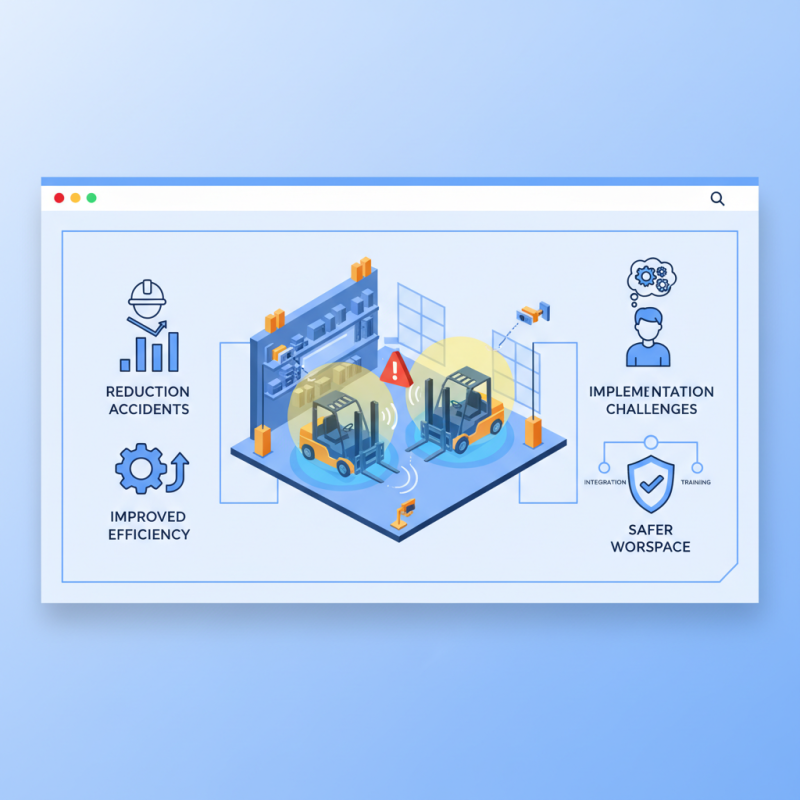
Expert Jennifer Mills, a leading voice in industrial safety, states, “Investing in a Forklift Collision Detection System can drastically reduce workplace injuries.” This technology not only enhances safety but also impacts operational efficiency. FCDS utilizes sensors and cameras to detect potential collisions, alerting operators in real-time. This feature is essential in dynamic environments where human oversight may fall short.
However, implementation can pose challenges. Companies must ensure proper integration with existing operations. Training staff to adapt may require thoughtful planning. As organizations navigate these complexities, the goal remains clear: to create a safer workspace for everyone involved. Investing in Forklift Collision Detection Systems is a step in that direction.
What is a Forklift Collision Detection System?
A forklift collision detection system is a safety feature used in warehouses and manufacturing facilities. It helps prevent accidents by detecting nearby obstacles. When a forklift approaches another object, the system alerts the operator. This can be through lights, sounds, or even vibrations. Forklift operators must stay alert, but this system adds an extra layer of caution.
These systems use sensors and cameras to monitor the environment. They can identify pedestrians and other forklifts. The technology is not foolproof, though. It may sometimes miss smaller objects or have issues in poor visibility. Operators must still rely on their training and instincts. Proper use of mirrors and regular checks can enhance safety.
Installing a collision detection system is a step forward. However, ongoing training and awareness are crucial. Operators need to understand the system’s limitations. Technology will evolve, but human awareness remains vital in preventing accidents.
Key Components of Forklift Collision Detection Systems
Forklift collision detection systems play a crucial role in enhancing workplace safety. Their key components significantly contribute to preventing accidents in busy environments. For instance, many systems utilize advanced sensors. These sensors can detect nearby obstacles, ensuring that operators have a clear alert when approaching potential hazards. According to recent industry studies, 20% of forklift accidents occur due to collisions with pedestrians or other equipment.
Another essential component is the integration of cameras and visual aids. These devices improve situational awareness for forklift operators. They often provide real-time video feeds, allowing operators to make informed decisions. Reports indicate that companies using cameras alongside collision detection technology have reduced accident rates by as much as 30%. Yet, not all systems react perfectly. False alarms can occur, potentially leading to desensitization among operators.
Moreover, software systems that analyze data play a pivotal role. They can track the frequency and types of near misses. Companies may gain insights into patterns that lead to collisions. However, collecting and analyzing this data requires ongoing reflection. Some operators might ignore alerts due to system inconsistencies. This highlights the need for continuous improvement in training and technology.
How Forklift Collision Detection Systems Function
Forklift collision detection systems improve safety in warehouses and factories. These systems use sensors and cameras to monitor surroundings. They detect obstacles, including people and other machines. When a potential collision is imminent, the system alerts the operator. Sometimes, it can even take control to prevent the accident.
These systems typically include ultrasonic sensors or LiDAR technology. Ultrasonic sensors emit sound waves to determine the distance to an object. LiDAR uses laser beams for more accurate measurements. The data from these devices is processed in real-time. This helps prevent crashes before they occur.
Tips: Regularly check the sensors. Ensure they are clean and functioning properly. Training operators on using these systems is crucial. Familiarity can greatly reduce mistakes. Implementing scheduled maintenance checks is beneficial too. Small oversight can lead to dangerous situations. Keeping an eye on both technology and worker practices improves safety significantly.
Benefits of Implementing Collision Detection in Forklifts
Implementing a collision detection system on forklifts brings numerous benefits. Safety is the primary concern. These systems can predict and alert operators about potential collisions. This reduces accidents and injuries in the workplace. Fewer accidents mean fewer lost workdays and lower insurance costs.
Training workers to understand these systems is essential. They must know how to react to alerts effectively. Observing how the systems function in real-time can enhance safety protocols. For instance, when a forklift approaches a crowded area, the system can slow it down. However, operators may still need to remain vigilant.
**Tips**: Regularly test the collision detection systems. Ensure that all employees are familiar with the technology. Consider feedback from operators for continuous improvement. Not all systems work perfectly. Some may have difficulties in complex environments. This calls for ongoing assessment and adjustments.
Challenges and Limitations of Forklift Collision Detection Systems
Forklift collision detection systems are designed to enhance safety in warehouse and manufacturing environments. However, they face several challenges and limitations. One major issue is sensor blind spots. These occur when objects or obstructions hinder the system's ability to detect potential collisions. In busy warehouses, clutter can create significant risks.
Another limitation is the variation in environments. Each facility has different layouts and operational practices. A system that works perfectly in one place may struggle in another. Variable lighting conditions can also affect performance. Sensors might misinterpret reflections or shadows, leading to false alerts or missed detections. This inconsistency raises safety concerns.
User training is crucial. Workers must understand how to respond to alerts and warnings. However, responses vary between individuals. Not everyone reacts quickly or correctly. Over time, complacency can set in, meaning workers may ignore alarms. Regular training and system updates are essential to maintain effectiveness. Yet, despite these efforts, the potential for human error remains a constant challenge in preventing collisions.