What is Floor Drainage and Why is it Important for Buyers?
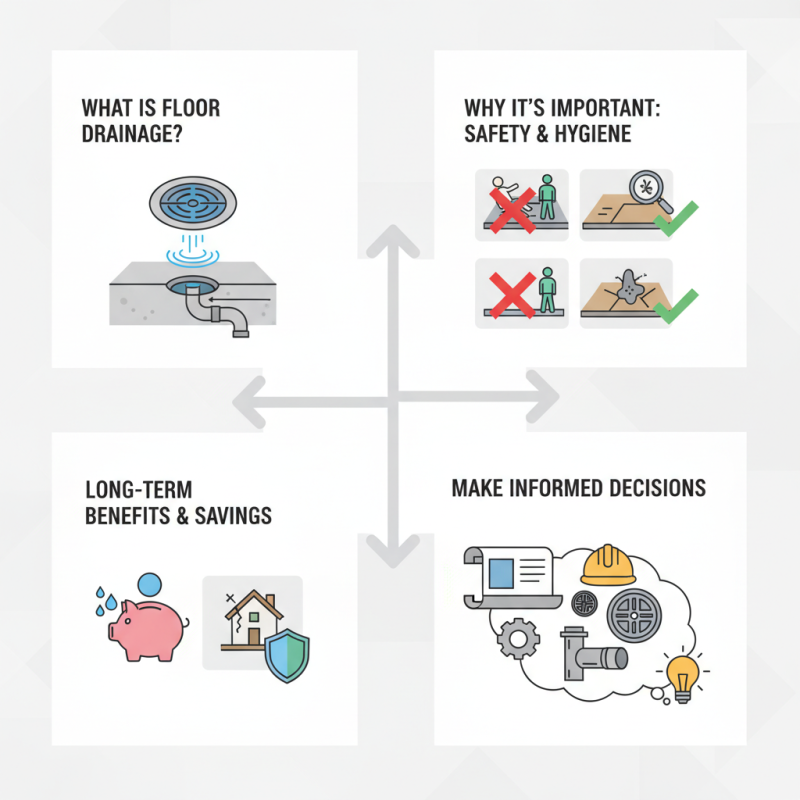
Floor Drainage is a crucial aspect of modern construction and building maintenance. It is often overlooked by buyers but plays an essential role in ensuring the safety and hygiene of a space. Proper floor drainage prevents water accumulation, thereby reducing the risk of slip hazards and structural damage. It's a vital consideration for any property, whether residential or commercial.
Investing in quality floor drainage systems can save significant repair costs down the line. A well-designed drainage solution helps divert water away from key areas. This not only protects the building's foundation but also promotes a healthier environment. However, many buyers may not fully understand their importance. Therefore, it is essential to educate oneself about the various options available and their specific benefits.
In the world of construction, experience matters. Buyers should seek advice from professionals to ensure they choose the right drainage system. Success lies in understanding the unique needs of each space. The shortcomings of poorly planned drainage can lead to costly consequences. Thus, making informed decisions about floor drainage is vital for long-term satisfaction.
Understanding Floor Drainage: Definition and Function
Floor drainage plays a critical role in maintaining cleanliness and preventing water accumulation in various spaces. It is essentially a system designed to manage excess water flow and prevent flooding. Effective drainage ensures that water from showers, sinks, or spills flows away efficiently. This system is pivotal in places like kitchens, bathrooms, and basements. When properly installed, floor drains help keep these areas dry and reduce the risk of mold and structural damage.
Tips for homeowners include ensuring that drains are regularly cleaned. Debris can block drainage systems, leading to backups. A thorough cleaning every few months can prevent these issues. Additionally, check for any signs of leaks or cracks around the flooring. These can compromise the efficiency of your drainage system. Implementing this maintenance can save you from costly repairs later.
In some cases, the layout of the drainage system may not be ideal. Homeowners should reflect on their space's design. Ensure that the placement of drains is optimal for your specific setup. It's worth considering adjustments if you notice recurring issues. Adequate floor drainage is essential for safety and hygiene in any home environment.
Components of Floor Drainage Systems: Key Elements to Consider
When considering floor drainage systems, one must examine several key components. Effective drainage systems consist of drain grates, traps, and pipes. Drain grates are the visible parts that collect water. They need to be sturdy and well-designed to prevent clogging. Reports show that poorly designed grates can lead to 45% more blockages, increasing maintenance costs significantly.
Traps are critical for blocking odors and preventing sewer gases from entering spaces. They should be installed correctly, following local codes. According to industry standards, a properly functioning trap can reduce odor issues by up to 80%. However, maintenance is often overlooked. Many property owners do not regularly check traps, leading to costly issues down the road.
Lastly, the piping system must be durable to handle varying water flow rates. Ageing pipes can weaken over time, contributing to leaks and flood risks. A survey revealed that 65% of property managers reported drainage issues due to aging infrastructure. Buyers should prioritize systems with high-quality materials designed for longevity. Investing in dependable floor drainage components is essential to avoid future headaches.
What is Floor Drainage and Why is it Important for Buyers?
| Component | Description | Importance |
| Floor Drain | A plumbing fixture that collects excess water from floors. | Prevents water pooling and reduces slip hazards. |
| Trap | A U-shaped pipe that holds water to block sewer gases. | Maintains sanitation by preventing odor escape. |
| Grate | The cover over the drain, allowing water in while keeping debris out. | Ensures unobstructed drainage and maintains aesthetics. |
| Drainage Pipe | Pipes that transport wastewater away from the floors. | Essential for effective drainage and prevents backflow. |
| Sump Pit | A pit that collects water from the drainage system. | Facilitates removal of excess water, preventing flooding. |
| Ventilation | Airflow components that ventilate drainage systems. | Prevents trap siphoning and maintains system pressure. |
Importance of Floor Drainage for Homeowners and Buyers
Proper floor drainage is crucial for homeowners and buyers alike. It prevents water accumulation, which can lead to damage. A well-functioning drainage system keeps basements dry and minimizes mold growth. Many buyers overlook this feature, but it plays a significant role in long-term property care.
When looking at properties, check the location of floor drains. They should be placed strategically to handle excess water. Poor drainage can cause structural issues over time. Homeowners also need to maintain these systems regularly. Debris can block drains, which affects their effectiveness. Neglecting this maintenance can lead to costly repairs later.
Investing in homes with good drainage saves money in the long run. It enhances comfort and safety in living spaces. Buyers must prioritize this aspect when viewing properties. A little diligence now can prevent major headaches in the future. Floor drainage might seem minor, yet its importance cannot be understated.
Common Issues with Floor Drainage and How to Prevent Them
Floor drainage is a crucial aspect of many properties. However, various issues can arise that compromise its effectiveness. Blockages are a common problem. They can result from debris, hair, or soap scum. When drains are clogged, water may overflow. This can lead to water damage and unpleasant odors. Regular cleaning and maintenance can help prevent these blockages. Homeowners should consider using drain strainers. These simple tools catch debris before it enters the drainage system.
Another frequent issue is improper installation. If the drainage slope is inadequate, water won’t flow correctly. This can cause standing water, which promotes mold growth. To avoid this, hiring a qualified professional for installation is essential. They can ensure the drainage system meets the proper standards. Additionally, homeowners should regularly inspect their drainage systems. Look for signs of wear, rust, or cracks. These can indicate larger problems that need immediate attention. Addressing these issues early can save time and expenses later.
Choosing the Right Floor Drainage System for Your Property
Choosing the right floor drainage system is crucial for any property. Proper drainage ensures that excess water is efficiently managed, helping prevent structural damage and mold growth. According to a study by the American Society of Civil Engineers, poorly designed drainage can lead to costly repairs, with water damage accounting for over $9 billion annually in the U.S. alone.
When selecting a floor drainage system, consider the specific needs of your property. Different environments, such as commercial kitchens or residential basements, require tailored solutions. For example, the drainage capacity varies significantly based on the type of flooring and expected water volume. It's essential to choose materials that can withstand the environment; stainless steel or PVC options are often recommended for their durability and resistance to corrosion.
Many property owners overlook the importance of regular maintenance. Blocked drains can quickly turn a minor issue into a major headache. Research shows that over 70% of drainage issues are due to neglect. Investing in a reliable drainage system is only part of the solution. Routine inspections and prompt repairs are equally vital to maintain efficiency and prevent future problems. Understanding these aspects can lead to informed decisions for a safe and functional property.