
Finding reliable Alloy Steel suppliers in 2026 takes more than comparing prices or collecting polished brochures. A mill certificate can look convincing. The real test is whether the supplier can connect each heat number to clear, consistent records and explain how material was tested. Ask for grade-specific test reports, production lead times, traceability details, and written procedures for handling nonconforming material. Then check whether those answers match the samples, documents, and delivery history you can verify.
Quality-management expert W. Edwards Deming is often quoted as saying, “Quality comes not from inspection, but from improvement of the production process.” That principle matters when evaluating steel suppliers: look for repeatable controls, not just assurances made during a sales call. Ask how the supplier manages chemistry, heat treatment, dimensional tolerances, and changes in production. If a requirement is unclear, put it in writing before placing an order. Small gaps matter.
A site visit can reveal practical details that paperwork may miss: labeled bundles, protected stock, and records linked to the material on the floor. Independent audits and customer references can add useful evidence, but neither guarantees every shipment will be trouble-free. No checklist removes all risk. This outline examines how to assess technical capability, documentation, delivery performance, and commercial reliability. It also considers a less comfortable point: buyers can overlook warning signs when a low quote feels urgent. A careful supplier review takes time, and sometimes the evidence remains incomplete.
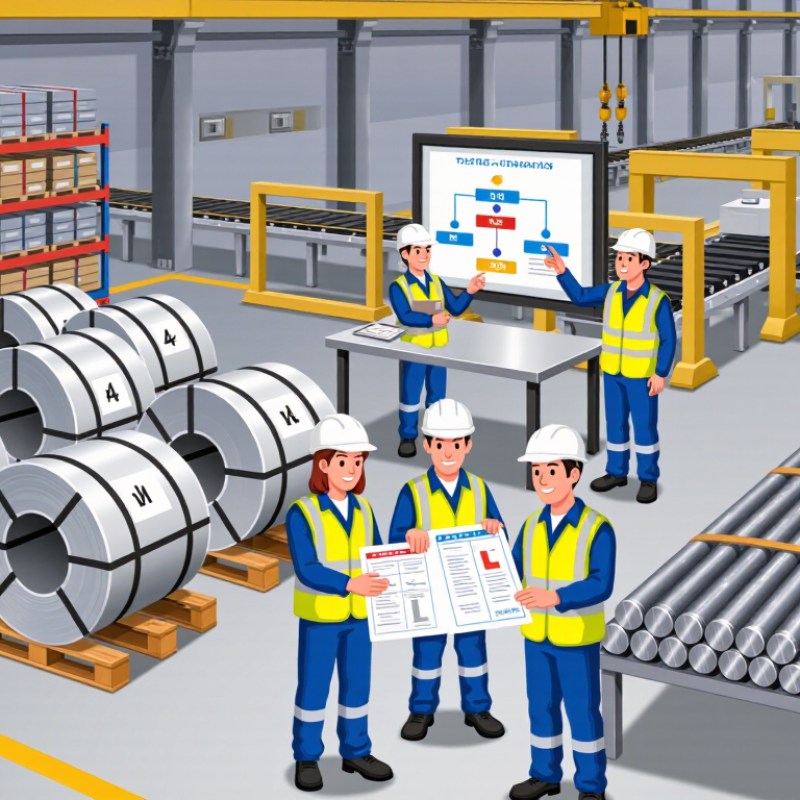
Reliable sourcing starts with a precise definition of the steel you need. “Alloy steel” covers many compositions and heat-treatment conditions, so a broad label rarely gives suppliers enough information to quote accurately. Identify the required grade or standard, product form, and intended service. A shaft, plate, and seamless tube may need different controls. Details matter.
Record the required chemistry, dimensions, tolerances, and mechanical properties, including strength, hardness, or impact performance where relevant. State whether those properties apply before or after heat treatment. Specify the delivery condition, surface finish, testing needs, and traceability documents. If a drawing or standard leaves room for interpretation, flag it in writing. Ask the supplier to confirm any exceptions before placing an order.
Connect the specification to operating conditions: load, temperature range, corrosion exposure, machining, and joining methods. Share realistic quantities and delivery timing, too. These details help suppliers assess stock, processing, and inspection capacity instead of guessing. A common planning gap is naming a grade but omitting final hardness requirements. Easy to miss. Review the specification with design and quality teams, and revise assumptions that remain uncertain rather than treating an early draft as settled.
| Grade | Typical Chemistry, wt.% | Typical Characteristics and Uses | Common Product Forms | Relevant Specification References | Key Purchase Requirements |
|---|---|---|---|---|---|
| 4130 Chromium-molybdenum steel | C 0.28–0.33; Mn 0.40–0.60; Cr 0.80–1.10; Mo 0.15–0.25; Si 0.15–0.35 | Good strength-to-weight ratio and weldability when properly processed; used for tubing, structural components, and machinery parts. | Seamless mechanical tubing, bar, and forgings | SAE J404 chemistry; ASTM A519 may apply to seamless mechanical tubing. Confirm the exact product specification and grade designation. | Specify tube dimensions, wall thickness, delivery condition, heat treatment, dimensional tolerances, and any required nondestructive examination. |
| 4140 Chromium-molybdenum steel | C 0.38–0.43; Mn 0.75–1.00; Cr 0.80–1.10; Mo 0.15–0.25; Si 0.15–0.35 | Hardenable alloy steel with good strength and toughness in suitable heat-treated conditions; common in shafts, gears, and machine components. | Bar, forging, and seamless mechanical tubing | SAE J404 chemistry; ASTM A322 is commonly referenced for alloy-steel bars, and ASTM A519 may apply to mechanical tubing. | Define whether the material is annealed, normalized, or quenched and tempered; state hardness or mechanical-property requirements and test method. |
| 4340 Nickel-chromium-molybdenum steel | C 0.38–0.43; Mn 0.60–0.80; Ni 1.65–2.00; Cr 0.70–0.90; Mo 0.20–0.30 | High hardenability and strength potential after suitable heat treatment; used for highly stressed shafts, gears, and forged components. | Bar and forging | SAE J404 chemistry; ASTM A322 may apply to alloy-steel bars. Verify the applicable product-form specification and revision. | Specify section size, heat-treatment route, required strength or hardness, impact testing if needed, and allowable decarburization or surface condition. |
| 8620 Nickel-chromium-molybdenum steel | C 0.18–0.23; Mn 0.70–0.90; Ni 0.40–0.70; Cr 0.40–0.60; Mo 0.15–0.25 | Low-carbon case-hardening steel; commonly used for carburized gears, pinions, and other components requiring a hard surface and tougher core. | Bar, forging, and selected mechanical tubing products | SAE J404 chemistry; ASTM A322 may apply to alloy-steel bars. Confirm product form, grade, and any supplementary requirements. | State whether the order is for untreated stock or a case-hardened component; for treated parts, define case depth, surface hardness, and test locations. |
| 52100 High-carbon chromium bearing steel | C 0.98–1.10; Mn 0.25–0.45; Cr 1.30–1.60; Si 0.15–0.35; P and S typically limited by the ordered specification. | High-carbon chromium steel used for bearing and wear-resistant applications; cleanliness and heat treatment are important to performance. | Bearing-quality bar, tube, and other forms as specified | ASTM A295 covers high-carbon anti-friction bearing steels. Confirm the ordered grade, product form, and required quality level. | Define cleanliness or inclusion-rating requirements, heat-treatment condition, hardness, dimensional tolerances, and any ultrasonic inspection criteria. |
Chemistry values shown are typical SAE grade ranges in weight percent, not a substitute for the governing purchase specification. The specified standard, product form, edition, and order requirements control acceptance. Confirm the applicable current edition when preparing a 2026 purchase order.
| Evaluation Dimension | Information to Define or Request | Evidence to Review Before Award |
|---|---|---|
| Grade and product form | Exact grade, standard, product form, dimensions, tolerances, quantity, and approved substitutions, if any. | A quotation that identifies the grade and product specification rather than relying only on a broad trade description. |
| Condition and performance | As-rolled, annealed, normalized, or heat-treated condition; required hardness, mechanical properties, and test temperature where relevant. | Confirmation that the supplier can provide the requested condition and the applicable test results for the ordered product. |
| Material traceability | Required heat or lot identification, marking method, and linkage between delivered pieces and test documentation. | A sample material test report showing grade, heat number, chemical analysis, mechanical tests when required, and applicable specification. |
| Inspection and acceptance | Sampling plan, test methods, dimensional inspection, nondestructive testing, surface-quality limits, and acceptance criteria. | Written agreement on inspection scope, reporting, nonconformance handling, and any required third-party inspection. |
| Delivery and handling | Required delivery date, packaging, corrosion protection, storage conditions, and shipping documentation. | A delivery schedule and confirmation that identification and protective packaging will be maintained through shipment. |
| Commercial and quality controls | Order quantity, pricing basis, lead time, change control, certificate requirements, and process for claims or replacements. | Documented quality procedures and clear written terms covering specification compliance, substitutions, and corrective action. |