Top 10 Tips for Designing Effective Plastic Injection Molded Parts
Designing effective plastic injection molded parts is a critical process in the manufacturing industry that can greatly influence product performance, cost, and production efficiency. The success of any injection-molded component hinges on a well-thought-out design approach that accommodates the unique properties of plastic materials while optimizing for manufacturability. Whether it’s for consumer goods, automotive applications, or medical devices, understanding the fundamental principles of plastic injection molding is essential for engineers and designers alike.
This article presents the top 10 tips for designing effective plastic injection molded parts, highlighting key considerations that can lead to successful product development. From material selection to mold design, each element plays a pivotal role in ensuring that the final product not only meets quality standards but also achieves desired functionality and aesthetics. By implementing these tips, designers can navigate the complexities of plastic injection molding and create parts that are not only efficient to produce but also resilient in real-world applications. Emphasizing a blend of creativity and technical knowledge, these guidelines serve as a valuable resource for anyone involved in the design and production of plastic injection molded parts.
Understanding the Basics of Plastic Injection Molding Design
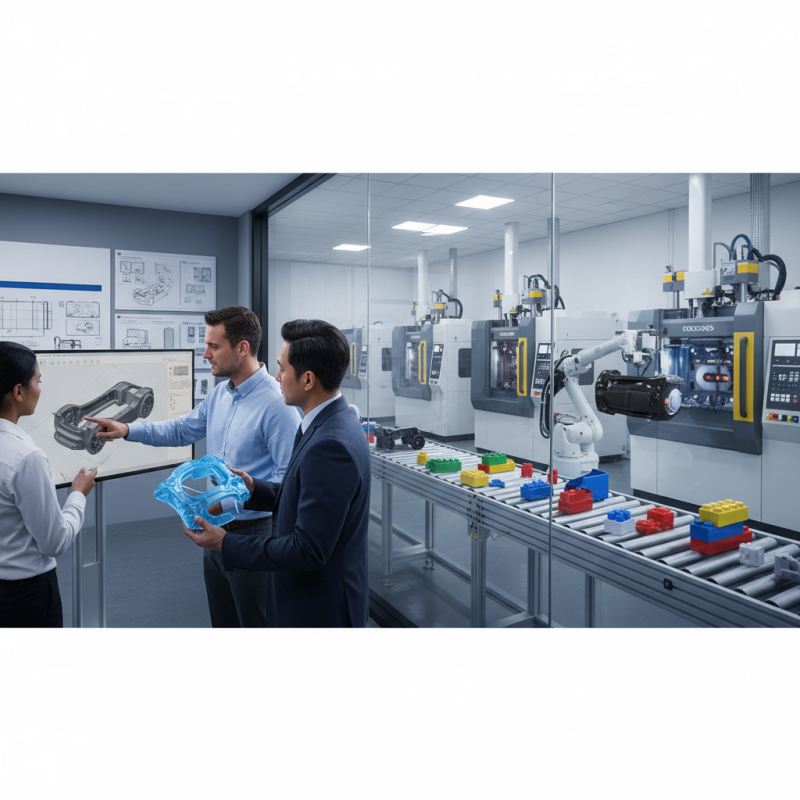
Understanding the fundamentals of plastic injection molding design is crucial for producing effective and efficient molded parts. At its core, plastic injection molding involves the process of injecting molten plastic into a mold cavity, where it cools and solidifies into the desired shape.
Key design considerations include the thickness of the parts, the geometry of features, and the selection of appropriate materials. A uniform wall thickness is essential to prevent defects such as warping or sink marks while ensuring optimal flow of the molten plastic is achieved.
Moreover, the design must account for potential shrinkage as the part cools, which should be considered when determining the dimensions of tricky features like ribs or bosses. Additionally, draft angles are vital in facilitating the easy removal of parts from the mold without damage. Understanding the mold design process, including runner systems and gate placements, also influences quality and efficiency, as these elements dictate how the plastic flows into the mold and affect the final part’s surface finish. By grasping these basic principles of plastic injection molding design, one can create parts that not only meet functional requirements but also streamline manufacturing processes.
Key Considerations for Material Selection in Injection Molded Parts
When designing effective plastic injection molded parts, material selection is critical to achieving the desired performance and functionality. Engineers must consider the physical properties of materials, including their strength, flexibility, and thermal resistance. For instance, if the part is intended to endure high temperatures, a material with good heat resistance, such as certain grades of polycarbonate or nylon, may be essential. Similarly, parts that require high durability and impact resistance could benefit from materials like ABS or polypropylene, which can withstand mechanical stress without compromising integrity.
Another crucial factor in material selection is the compatibility of the material with the intended manufacturing process. Different materials behave uniquely during the injection molding process; some may require specific temperatures or pressures to ensure proper flow and mold filling. Additionally, the choice of color, texture, and finish can influence the final product's appearance and marketability. By carefully evaluating the materials against the project's specific requirements and constraints, designers can enhance not only the structural benefits of the part but also its aesthetic appeal and cost-effectiveness.
Designing for Manufacturability: Optimizing Mold Geometry
When designing plastic injection molded parts, optimizing mold geometry is crucial for enhancing manufacturability and ensuring the production of high-quality components. One of the key considerations is the wall thickness of the part. Uniform wall thickness helps in maintaining consistent cooling rates, reducing the likelihood of defects such as warping or sink marks. Designers should aim for optimal thickness based on the part’s functionality and the material being used, typically between 1.5 mm to 5 mm, depending on the application.
Another critical aspect is the incorporation of draft angles in the design. Draft angles facilitate the easy removal of the part from the mold, minimizing wear and tear on the mold and improving cycle times. Typically, a draft angle of 1° to 3° is recommended depending on the surface finish and depth of the feature. Additionally, the use of radii instead of sharp corners can enhance flow and reduce stress concentrations, further improving the molded part's structural integrity. By focusing on these geometric aspects, designers can significantly enhance the manufacturability of injection molded parts, leading to reduced production costs and improved performance.
Incorporating Tolerances and Fits for Precision in Molding
When designing plastic injection molded parts, incorporating tolerances and fits is crucial for achieving precision and ensuring the functionality of the final product. Tolerances refer to the allowable limits of dimension variations in the components, which are essential for maintaining the integrity of the assembly. By carefully specifying these tolerances, engineers can prevent issues such as misalignment or excessive gaps between mating parts, which can compromise performance. A comprehensive understanding of the materials being used and their behavior during the cooling and solidification process aids designers in setting appropriate tolerances.
Moreover, selecting the right type of fit between components plays a significant role in the overall manufacturability and quality of the mold design. Different fit types, such as clearance, interference, and transition fits, determine how parts interact with one another, affecting ease of assembly, functionality, and product durability. Designers should take into account the intended use of the part and the operational environment, as these factors influence the required fit. By meticulously designing with tolerances and fits in mind, manufacturers can ensure that their plastic injection molded parts meet precise requirements and perform optimally in their designated applications.
Testing and Iteration: Ensuring Quality in Molded Part Design
When it comes to designing effective plastic injection molded parts, the role of
testing and iteration cannot be overstated. After the initial design
phase, the prototype undergoes rigorous testing to assess its functionality, durability, and overall
performance. This iterative process allows designers to identify weaknesses and areas for improvement,
ensuring that the final product meets the necessary quality standards and customer expectations.
By employing methods such as stress testing and dimensional analysis, teams can gather valuable
data that informs necessary design adjustments.
Moreover, prototyping plays a crucial role in the iteration process. It provides a tangible model that
facilitates real-world testing, enabling designers to visualize potential issues that may not be
apparent in theoretical models. By using rapid prototyping techniques,
changes can be implemented swiftly, allowing for a faster turnaround in producing optimized designs.
This cycle of testing and refining helps minimize production errors
and reduces material waste, ultimately contributing to a more efficient manufacturing process.
Successful molded part design relies heavily on this commitment to continuous improvement,
balancing innovation with practicality to deliver high-quality results.