Why Choose Composite H-Beam for Your Construction Needs?
The construction industry is embracing innovative materials to enhance structural integrity and sustainability. One standout option is the composite H-beam, which combines strength with lightweight properties. A recent report by the American Institute of Steel Construction highlights that composite materials can reduce structural weight by up to 30%, making them ideal for modern building projects.
Expert Dr. Emily Johnson, a leading authority in structural engineering, emphasizes, "The use of composite H-beams can significantly optimize material performance while ensuring safety." This material's versatility in various applications, from high-rises to bridges, showcases its growing adoption. Composite H-beams help solve common challenges, such as excessive loads and material fatigue, proving their value in ambitious designs.
Despite the advantages, it’s vital to consider integration challenges. Some engineers still hesitate due to a lack of experience with these materials. Addressing this gap is crucial for maximizing the benefits of composite H-beams. The future of construction relies on adopting new technologies, and composite H-beams are at the forefront of this evolution.
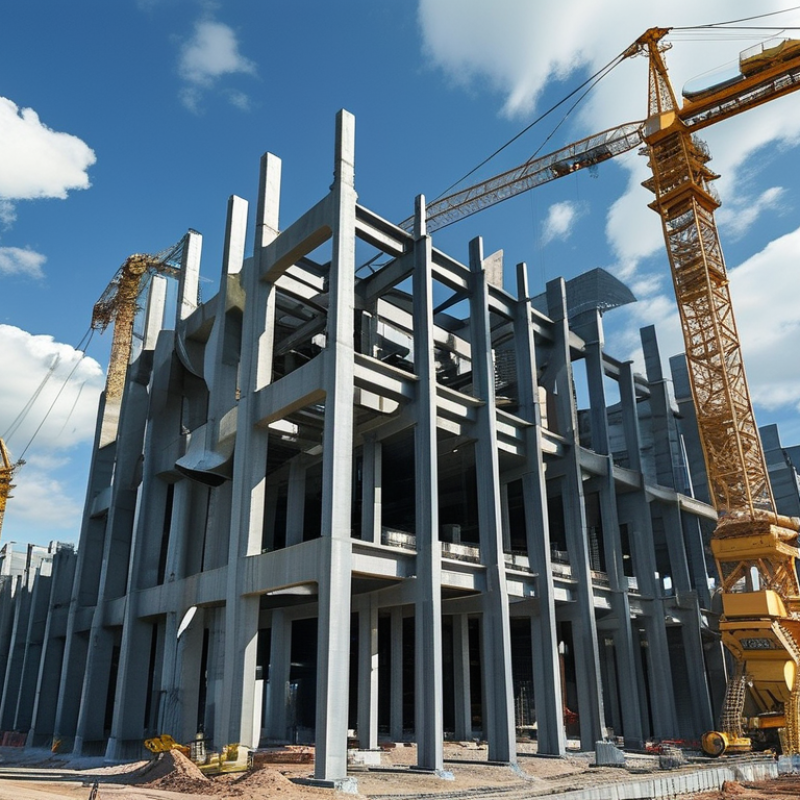
Benefits of Composite H-Beams in Construction Applications
Composite H-beams are gaining popularity in construction for several reasons. Their lightweight nature significantly reduces transportation and installation costs. A study from the American Institute of Steel Construction shows that using composite materials can lower overall project weight by about 30%. This reduction in weight translates to less load on structural components, enhancing stability and safety.
Moreover, these beams offer exceptional strength and durability. Unlike traditional steel beams, composites resist corrosion, resulting in lower maintenance costs over time. According to a report by the National Institute of Standards and Technology, structures using composite materials typically have a lifespan that exceeds conventional options by 20% or more. This longevity can be crucial for projects in harsh environments, where weather resistance is essential.
Yet, it's important to consider some ongoing challenges. The initial costs of composite H-beams can still be higher compared to conventional materials. Some engineers may require additional training to work with these new materials effectively. Despite these hurdles, the benefits often outweigh the drawbacks for many construction applications.
Comparison of Composite H-Beams and Traditional Steel Beams
When evaluating the structural performance of Composite H-Beams compared to traditional steel beams, several key factors emerge. Composite H-Beams typically exhibit a superior strength-to-weight ratio. According to the American Institute of Steel Construction (AISC), composite beams can carry 20-30% more load while reducing overall material usage. This efficiency not only impacts construction costs but also enhances sustainability.
In terms of durability, Composite H-Beams often outperform traditional steel beams. They resist corrosion more effectively due to their hybrid materials. The National Institute of Standards and Technology (NIST) highlights that corrosion can reduce the lifespan of steel beams by up to 50%. By utilizing composite materials, construction projects may experience fewer maintenance challenges and extended service life.
However, there are considerations. The initial investment for composite beams may be higher. Some engineers still prefer traditional solutions, citing established methodologies and availability. As construction practices evolve, the debate will continue. Understanding the complexities of these materials is crucial for making informed choices.
Durability and Maintenance Advantages of Composite H-Beams
Composite H-beams are gaining popularity in construction due to their durability and low maintenance requirements. These beams are made from materials that resist environmental damage. This feature makes them ideal for various structural applications. For instance, they handle moisture, chemicals, and extreme weather well. This resilience leads to fewer repairs over time.
The maintenance advantages are quite significant. With traditional beams, regular inspections and treatments are often necessary. However, composite H-beams often need less upkeep. They do not splinter or corrode easily, which can save time and money. This reliability contributes to long-term project success, but it’s crucial to assess if the initial costs align with budget constraints.
Some may wonder about the long-term performance of composite beams. While they show promise, the technology is still developing. Understanding how these materials react over time is vital. Users should consider potential deterioration in extreme conditions, even if it’s rare. Careful evaluation before implementation ensures that composite H-beams meet specific project needs effectively.
Durability and Maintenance Advantages of Composite H-Beams
Cost-Effectiveness of Using Composite H-Beams in Projects
Composite H-beams have gained popularity for their cost-effectiveness in construction. A recent study by the American Institute of Steel Construction indicates that leveraging composite materials can reduce overall project costs by up to 15%. This reduction stems from their lightweight nature, which minimizes transportation and labor expenses.
In addition to lower costs, composite H-beams offer enhanced strength-to-weight ratios. This feature allows builders to use less material without compromising structural integrity. According to industry reports, projects using these beams witness a decrease in foundation requirements. This results in significant savings on concrete and excavation. However, sourcing the right materials can sometimes be complex, impacting timelines.
Durability also plays a role in long-term project cost savings. Composite H-beams resist corrosion and fatigue, leading to reduced maintenance needs over time. Studies reveal that structures using these materials can have a lifespan extending 20% longer than traditional beams. While the upfront investment might appear higher, the comprehensive savings from longevity and reduced repairs often outweigh initial costs. Reflecting on these benefits reveals a clear case for choosing composite H-beams in modern construction.
Sustainability and Environmental Impact of Composite H-Beams
Composite H-beams are gaining popularity for their sustainable attributes. These beams are often made from recycled materials, reducing the need for virgin resources. The lightweight nature of composite H-beams also leads to lower energy usage during transportation and installation. This environmental factor makes them an attractive option for eco-conscious builders.
The longevity of composite H-beams further enhances their sustainability. These beams resist corrosion and decay, resulting in a longer lifespan than traditional materials. However, there are concerns. The manufacturing process can be energy-intensive. It is crucial to weigh the benefits against potential environmental costs. Ensuring responsible sourcing and production is vital for true sustainability.
Choosing composite H-beams means prioritizing both strength and environmental impact. They offer excellent structural integrity without compromising sustainability. Yet, builders must remain aware of the challenges in sourcing and production. Balancing innovation with environmental responsibility is essential in the construction industry today.
Why Choose Composite H-Beam for Your Construction Needs? - Sustainability and Environmental Impact of Composite H-Beams
| Attribute | Composite H-Beam | Traditional Steel Beam |
| Weight | Lighter | Heavier |
| Corrosion Resistance | High | Low |
| Sustainability | Renewable materials used | Non-renewable materials |
| Energy Efficiency in Production | Lower energy required | Higher energy required |
| Recyclability | Yes | Limited |
| Thermal Conductivity | Lower | Higher |
| Cost Efficiency | Long-term savings | Short-term savings |