How to Choose the Right Oil Pressure Gauge for Your Needs?
When it comes to maintaining an engine, selecting the right Oil Pressure Gauge is vital. This tool provides essential insights into your engine's performance. With a reliable oil pressure gauge, you can monitor how well your engine operates under various conditions.
Many motorists overlook the importance of this gauge. It's easy to assume that everything is fine until problems arise. A dependable oil pressure gauge can help prevent costly engine damage. Not all gauges are created equal.
Understanding your specific needs is crucial. Consider the type of engine you have. Think about whether you prefer analog or digital displays. Each option has its own advantages. Take time to research different brands and features. Your choice should reflect both your requirements and the reputation of the gauge. Remember, the right oil pressure gauge is not just a purchase; it’s an investment in your vehicle’s longevity.
Key Factors to Consider When Selecting an Oil Pressure Gauge
Choosing the right oil pressure gauge involves various critical factors. First, you should consider the gauge type. Analog and digital gauges offer different advantages. Analog gauges provide a classic look and can be easier to read in some situations. On the other hand, digital gauges often offer more precise measurements and can include advanced features.
Next, pay attention to the pressure range. Different engines have varying oil pressure needs. A gauge with a suitable range ensures accurate readings. Look for a gauge that can measure both low and high pressures effectively. Consider the installation process too; some gauges require more complicated setups, while others are straightforward.
Don’t forget about the accuracy and reliability of the gauge. Lower-quality options might give misleading readings. This can lead to poor engine performance or damage over time. Lastly, think about the display readability. A clear, illuminated display is crucial for quick reference, especially in low-light conditions. Remember, each choice influences your overall experience. Reflect on what features matter most to you.
Understanding Different Types of Oil Pressure Gauges: Analog vs. Digital
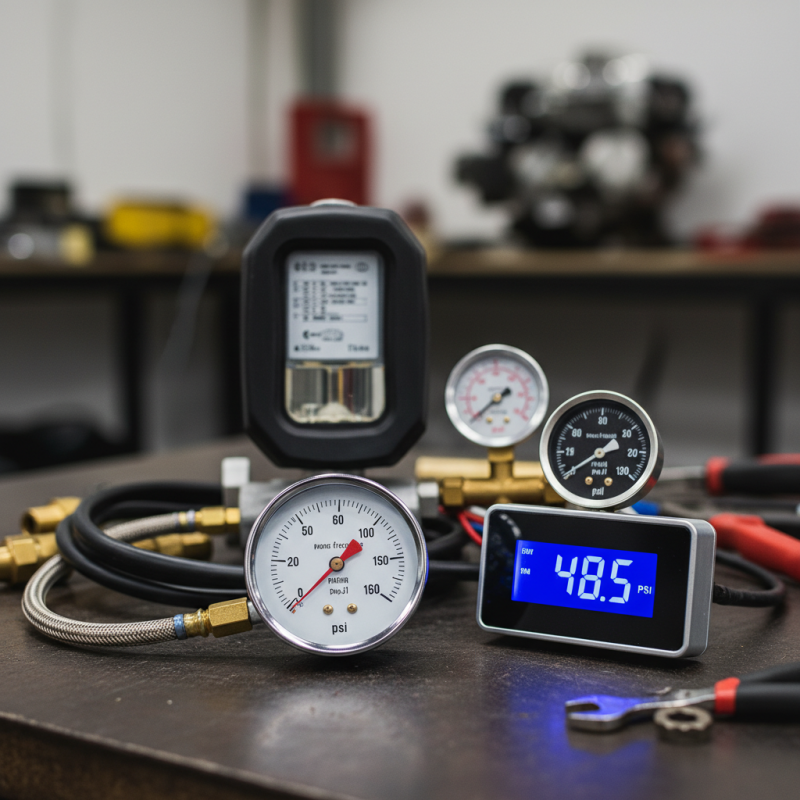
When selecting an oil pressure gauge, understanding the choice between analog and digital is vital. Analog gauges use a needle and dial to indicate pressure levels. Many prefer this classic design for its simplicity and reliability. The immediate visual feedback is helpful. However, reading the gauge requires careful attention. A slight distraction could lead to missed critical information.
Digital gauges offer precise readings on an electronic display. They often include additional features, like warning lights and data logging. This can be beneficial for those seeking detailed insights. However, reliance on batteries may be a drawback. If you overlook battery maintenance, the gauge becomes unusable.
Both types come with pros and cons. Some users appreciate the visual appeal of analog displays while others value the accuracy of digital tools. It's essential to assess personal needs and preferences before making a choice. Reflect on your own usage patterns. Make sure the gauge aligns with your requirements for monitoring oil pressure effectively.
Measurement Range: Choosing the Right PSI Scale for Your Application
When selecting an oil pressure gauge, the measurement range is crucial. Different applications require specific PSI scales to ensure accuracy and reliability. Consider the environment in which the gauge will operate. For example, high-performance engines often call for gauges that handle higher pressure ranges. Lower-end applications may not need such extensive capabilities. This can affect performance and reliability.
Tips: Before making your choice, assess the maximum and minimum pressure likely in your system. This will help you avoid purchasing an inappropriate gauge. If you need a range of, say 0 to 100 PSI, ensure the gauge displays that clearly.
Remember that a gauge with an excessively wide range can lead to less precision. A narrow range often results in more accurate readings within the specified limits. For instance, a gauge with a 0-50 PSI range can provide clearer readings than one with a 0-100 PSI range for low-pressure systems.
Tips: Always prioritize safety when dealing with oil pressure. Incorrect pressures can cause hazards, so regular checks are also essential. Be prepared to rethink your gauge choice as your requirements evolve. Regular maintenance of both your engine and associated gauges can enhance longevity and performance.
Accuracy and Precision: Industry Standards for Oil Pressure Gauges
When selecting an oil pressure gauge, accuracy and precision are paramount. Industry standards dictate acceptable tolerances for these gauges. According to the American National Standards Institute (ANSI), a gauge should maintain an accuracy of within ±2% of full scale. This ensures reliable readings crucial for engine performance. Any deviation can lead to poor decisions regarding oil changes or engine diagnostics.
Precision in manufacturing also plays a role. A gauge with a smaller dial size might seem convenient, but it can result in less precise measurements. Studies indicate that a 52mm gauge can have a margin of error up to 5%, compared to a 100mm gauge, which typically stays within 2%. Thus, size and design matter; larger gauges often provide higher resolution readings, promoting better understanding of pressure fluctuations.
Maintenance practices also influence the accuracy of oil pressure gauges. Regular calibration checks can reveal inconsistencies. A gauge that appears accurate might still reflect errors if not calibrated. In real-world applications, relying on outdated or unverified gauges can lead to engine damage or performance decline. Ensuring you choose a gauge that adheres to stringent standards is essential for optimal engine health.
Installation Considerations for Optimal Performance of Oil Pressure Gauges
When installing an oil pressure gauge, precision is critical. First, ensure you have the correct adapter for your engine. Different engines may require specific fittings. An improper connection can cause leaks or inaccurate readings. Follow installation manuals closely. Make sure the gauge is securely mounted to avoid vibrations that could lead to damage.
Placement is also essential for optimal performance. Position the gauge where it is easy to see while driving. A well-placed gauge improves your ability to monitor oil pressure effectively. Keep in mind that certain environmental conditions might impact gauge function. High heat or moisture could affect readings. Regular checks on the gauge’s performance help ensure reliability.
Pay attention to electrical connections if using an electric gauge. Faulty wiring can lead to erratic readings. Check for frayed wires and ensure a good ground connection. Sometimes, a gauge may not work immediately, leading to frustration. Troubleshoot these issues methodically to avoid overlooking simple steps. An effective installation process secures both functionality and ease of use.