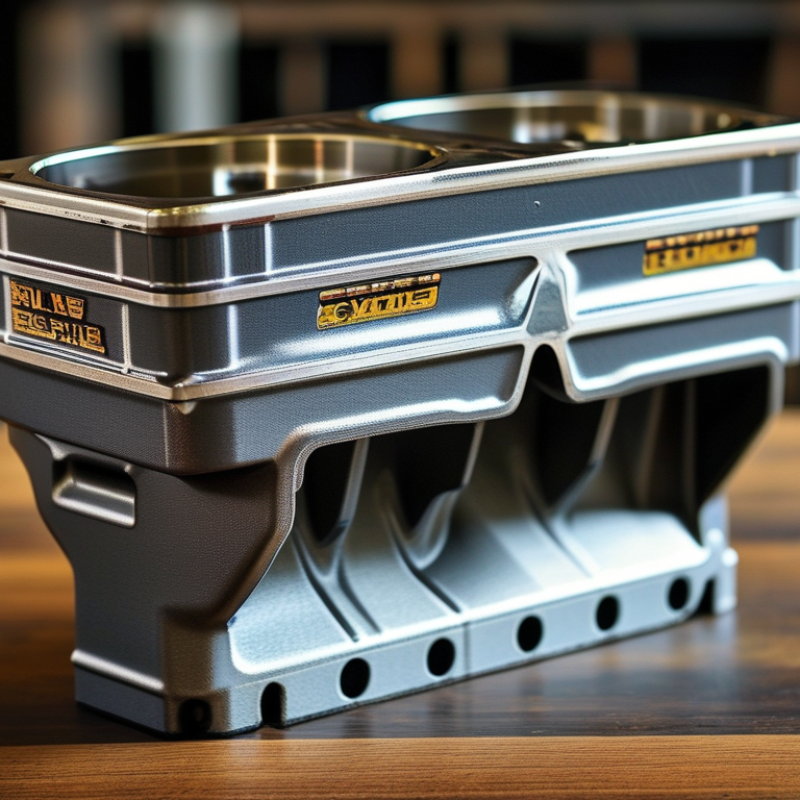
How to Choose the Right Cylinder Head for Your Engine?
Choosing the right Cylinder Head for your engine is crucial for performance. According to expert John Williams, "The cylinder head is the heart of the engine." His insight underscores the significance of this component in maximizing efficiency.
A cylinder head can enhance airflow and combustion efficiency. It directly impacts horsepower and torque. Selecting the wrong head may lead to reduced performance. Each engine requires a specific head design. Factors like engine size, intended use, and desired performance level matter significantly.
It's easy to overlook the importance of a quality cylinder head. Many enthusiasts focus on aesthetics, missing the technical specifications. Researching options can be overwhelming. Yet, understanding the basics may lead to better choices. Make sure to consider how modifications affect your engine’s dynamics. Reflect on your needs and aspirations as an engine owner.
Understanding Cylinder Heads and Their Importance in Engine Performance
Cylinder heads play a crucial role in the overall performance of an engine. They house the intake and exhaust valves, governing the airflow into and out of the combustion chamber. According to a 2021 report by Engine Technology International, the right cylinder head can enhance an engine's efficiency by up to 15%. This means that selecting the appropriate cylinder head is not merely a design choice but a pivotal factor for increased horsepower and torque.
The importance of cylinder head design extends beyond just airflow. Variables such as port shape and volume significantly affect combustion efficiency. A well-optimized design can improve fuel atomization and reduce emissions. Research highlights that engines with modified heads can achieve a 20% increase in power output under specific conditions. However, these modifications also require careful calibration to avoid issues like pre-ignition or reduced engine longevity.
Despite the advancements in cylinder head technology, not every design works universally well. Each engine configuration may respond differently to changes. Some builders may overlook the importance of balancing compression ratios with cylinder head specifications. This oversight can lead to diminished performance or increased wear. Finding the right cylinder head necessitates experience and a deep understanding of engine dynamics.
Key Factors to Consider When Selecting a Cylinder Head
Choosing the right cylinder head is critical for your engine's performance. Key factors include material, design, and intended use. Heads are typically made from aluminum or cast iron. Aluminum is lighter and offers better heat dissipation. However, it can be more expensive and less durable than cast iron. Assess your engine needs before deciding.
The design of the cylinder head impacts airflow and combustion efficiency. Look for features like port size and shape. Larger ports can enhance performance but may sacrifice low-end power. Consider where you drive the most. Race engines prioritize high RPM efficiency, while street engines benefit from improved low-end torque.
Installation and compatibility are also essential. Ensure your selected cylinder head fits well with your engine block and other components. Misalignment can lead to poor performance. It’s crucial to check the specifications. Don’t overlook the importance of expert advice. Consult with professionals if you are unsure.
Types of Cylinder Heads and Their Applications
Choosing the right cylinder head is critical for engine performance. Various types of cylinder heads cater to different applications. For example, a typical cast iron head offers durability. It serves well in diesel engines, where strength is vital. A magnesium or aluminum head, however, is lighter and enhances performance. These materials are common in racing applications, where weight reduction is crucial.
Reports indicate that using an aluminum head can improve thermal efficiency by up to 15%. This increase is significant in high-performance engines. However, aluminum heads may not withstand high temperatures as well as iron heads. The choice largely depends on the intended use of your engine.
Customizing a cylinder head can optimize airflow. Ported heads enhance intake and exhaust efficiency. A 2019 industry survey showed that nearly 40% of aftermarket users prefer modified cylinder heads. Despite this trend, one should consider the compatibility with existing parts. Mismatched components can lead to engine failure. Careful evaluation of your engine's needs is essential for successful outcomes.
Assessing Compatibility with Your Engine's Specifications
Choosing the right cylinder head for your engine can be challenging. Compatibility with your engine's specifications is crucial. Start by analyzing your engine model and the intended performance. Different engines have unique design traits. A mismatch can lead to poor performance or even damage.
Before purchasing, consider the material. Options include aluminum, which is lightweight, and cast iron, known for durability. Each material affects weight, heat dissipation, and overall performance. Check the head's port and chamber designs. They must align with your engine's flow requirements. Pay attention to compression ratios too; they significantly impact power output.
**Tips**: Always consult your engine manual. It offers insights on specifications. Joining forums can help. Engage with experienced builders. Learn from others’ mistakes. Research is key. Make informed decisions. Not all heads are equal. Some may seem appealing but lack the necessary specifications. Take your time to evaluate.
Installation and Maintenance Tips for Optimal Performance
Choosing the right cylinder head requires careful consideration of installation and maintenance. Proper installation can significantly impact engine performance. A study from Engine Builders Association indicates that improper cylinder head installation can reduce engine efficiency by up to 15%. Striking a balance between torque and horsepower is crucial during installation.
Regular maintenance is essential for optimal performance. Check the head bolts for proper torque settings to prevent leaks. Inspect the valve seats and stems for wear. A report by the American Society of Mechanical Engineers highlighted that 30% of cylinder head failures are due to inadequate maintenance practices. Keeping a clean oil supply also mitigates wear. Over time, contaminants can seep into the cylinder head, leading to potential damage.
One common mistake is skipping the break-in period post-installation. Many neglect to allow their new cylinder head the opportunity to align properly with other components. This oversight can lead to uneven wear and reduced performance. Monitoring temperature fluctuations during operation is also pivotal. Large temperature differences can warp the cylinder head, leading to significant issues down the line.
Performance Comparison of Different Cylinder Heads