How to Choose the Right Ball Valve for Your Industry Needs?
Choosing the right Ball Valve for industrial applications can be daunting. Experts emphasize the vital role of understanding specific needs. John Smith, a renowned ball valve specialist, once said, "The right ball valve can make or break a system." His insight reflects the importance of strategic selection in varying contexts.
Manufacturers face unique challenges. The choice of a ball valve impacts efficiency and safety. For instance, industries like oil and gas require valves that can withstand high pressure and corrosive environments. Each option holds distinct features worth considering. Some flow control methods may not be suitable in all scenarios.
A wise approach involves research and consultation with experts. While many options exist, not all perform equally under stress. An informed decision can minimize future complications. A deep understanding of flow rates and materials ensures long-term reliability. Ultimately, the selection process demands attention to detail for optimal outcomes.
Understanding Ball Valve Types and Their Applications
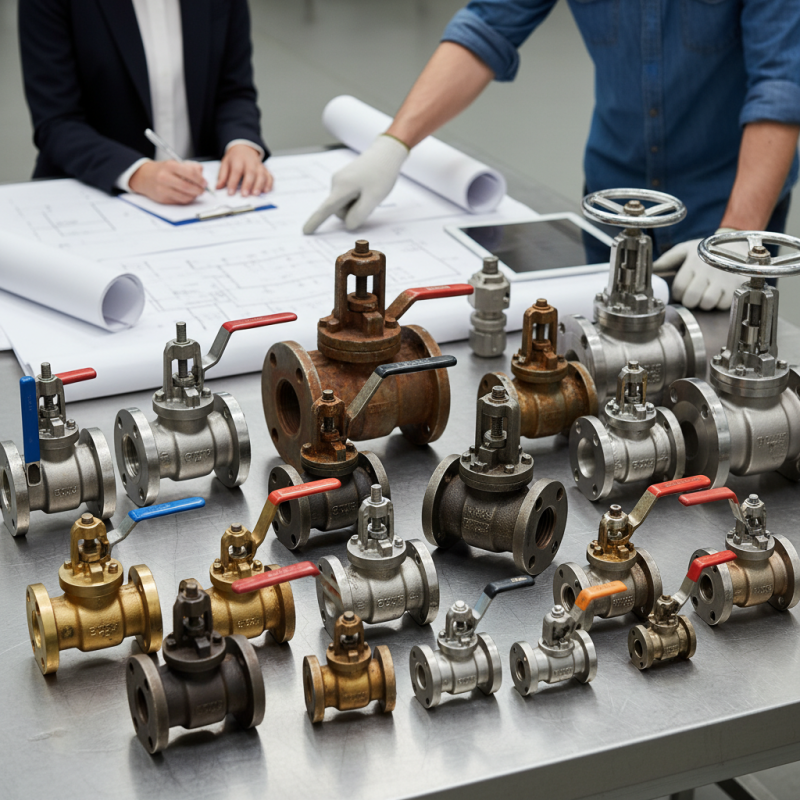
When selecting the right ball valve, it's essential to understand the various types available and how they suit different industry applications. Ball valves come in different designs: full port, reduced port, and V-port. Each serves unique needs across sectors like oil and gas, water treatment, and power generation. According to a recent industry report, full port valves allow for maximum flow and are ideal for applications needing minimal pressure loss.
Choosing the right valve also involves considering material compatibility. Common materials include stainless steel, brass, and plastic. For instance, stainless steel is known for its strength and corrosion resistance, making it suitable for chemical processing. However, it's vital to ensure the material withstands the specific fluid and temperature conditions of your operation.
Tips: Always assess the flow rate and pressure requirements of your system. It’s wise to consult experts when in doubt. Understanding these factors can significantly avoid costly mishaps in the long run. Remember, while performance is critical, initial cost shouldn’t be the sole deciding factor. Make informed decisions to ensure reliability and longevity.
Key Factors to Consider When Selecting a Ball Valve
Selecting the right ball valve is crucial for industrial applications. Several key factors influence this choice. One must consider the valve size. A valve that is too small can restrict flow. A valve that is too large might lead to inefficient operation. Ensure that the dimensions match your piping system for optimal performance.
Material selection is another vital aspect. Different materials withstand various pressures and temperatures. For example, stainless steel is great for corrosion resistance. However, it may not suit all environments. Assess the nature of the fluids involved. In some cases, a plastic valve could be more appropriate.
Finally, think about the valve’s flow characteristics. Different types of ball valves offer varying flow rates. A full-port valve allows for more efficient fluid flow, while a reduced-port valve might save space but reduce capacity. Always reflect on these factors to avoid costly errors. Choose wisely to enhance efficiency and reliability in your operations.
Material Compatibility and Its Importance in Ball Valves
When selecting a ball valve, material compatibility is crucial. Different industries use various fluids, each with unique properties. For example, chemicals can corrode certain metals. This makes choosing the right valve material essential for durability and safety. Stainless steel, PVC, and brass are popular due to their reliability in specific applications. However, not every material suits every fluid. Assessing the chemical characteristics of the fluid will guide your selection process.
Using incompatible materials can lead to significant issues. A valve with poor compatibility may fail quicker than expected. Leaks and system failures could result—not to mention costly repairs. For instance, if a valve meant for water is used for acids, it may corrode rapidly. This situation can create safety hazards and operational downtime.
It’s critical to evaluate the environmental conditions too. Temperature and pressure affect material integrity. For instance, high temperatures can weaken certain plastics, while low temperatures might make metals brittle. Consider the long-term implications of your choice. Proper research and expert guidance can help mitigate risks and enhance your system's performance.
How to Choose the Right Ball Valve for Your Industry Needs? - Material Compatibility and Its Importance in Ball Valves
| Industry | Common Materials | Operating Temperatures (°C) | pH Compatibility | Recommended Valve Type |
| Oil & Gas | Stainless Steel, Carbon Steel | -20 to 200 | 4 to 10 | Floating Ball Valve |
| Water Treatment | PVC, CPVC | 5 to 60 | 6 to 8 | Full Port Ball Valve |
| Pharmaceuticals | 316 Stainless Steel | 0 to 150 | 5 to 9 | Trunnion Ball Valve |
| Food & Beverage | Sanitary Stainless Steel | 0 to 100 | 4 to 7 | 3-Piece Ball Valve |
| Chemical Processing | PTFE, Hastelloy | -50 to 120 | 1 to 14 | High-Performance Ball Valve |
Sizing and Pressure Ratings for Optimal Ball Valve Performance
Choosing the right ball valve requires careful consideration of sizing and pressure ratings. Proper sizing is crucial for efficient flow control. If a valve is too large, it may cause turbulence. A valve that is too small can restrict flow and lead to pressure drops. Understanding the specific requirements of your application helps in selecting the right size.
Pressure ratings are equally significant. They determine how much pressure the valve can withstand without failure. Each industry has different standards. Knowing the operating pressure range is vital. A mismatch can result in leaks or damage. Factors such as temperature and fluid type also influence pressure ratings. Choosing a valve that meets or exceeds these requirements ensures reliability.
In practice, many engineers often overlook specific operating conditions. They sometimes base their choices on standard options rather than analyzing unique needs. This approach can lead to inefficiencies. Taking the time to evaluate both size and pressure ratings will enhance performance. Design flaws can occasionally arise in overlooked elements. It’s essential to reflect on those details for optimal use.
Ball Valve Size and Pressure Ratings
Maintenance and Lifespan Considerations for Ball Valves in Industry
When selecting ball valves, maintenance is crucial. Regular checks can prolong their lifespan significantly. According to industry reports, proper maintenance can enhance valve longevity by 50%. Routine inspections help identify wear and potential leaks early on. Ignoring these factors can lead to costly downtime.
Ball valves often have a lifespan of around 15 to 20 years under optimal conditions. However, this can drop dramatically without proper care. For example, high-temperature applications can accelerate degradation, while valves operating in corrosive environments may fail sooner. Utilizing protective coatings can mitigate these risks.
It’s essential to train staff on proper maintenance procedures. Many organizations report that inadequate training leads to mistakes. Collecting data from maintenance logs can help identify recurrent issues. A reliable approach is always to assess the operating environment regularly. This will ensure any necessary adjustments are made promptly.