How to Choose the Best PV Connector for Your Solar Project?
In the rapidly growing solar industry, selecting the right PV Connector is crucial for system performance and longevity. According to the International Energy Agency (IEA), solar photovoltaic (PV) capacity surpassed 1,000 GW globally in 2020. This surge highlights the importance of reliable components in solar installations. PV connectors serve as a vital link between panels and inverters, ensuring efficient energy transfer.
Choosing the best PV connector involves understanding various factors, such as environmental conditions and compatibility with different models. A report by Bloomberg New Energy Finance noted that substandard connectors could lead to performance losses of up to 5%. This might seem small, but over the lifespan of a solar project, it equates to significant energy output reduction. Therefore, a careful evaluation of quality and suitability is essential.
The need for reliable PV connectors is evident in both residential and commercial projects. With the global push for cleaner energy, the industry demands durable solutions that can withstand harsh weather. Many companies offer connectors with different certifications, but not all meet the rigorous standards needed for optimal performance. In this context, the right choice of PV connectors can either make or break a solar project’s success.
Understanding PV Connectors and Their Importance in Solar Projects
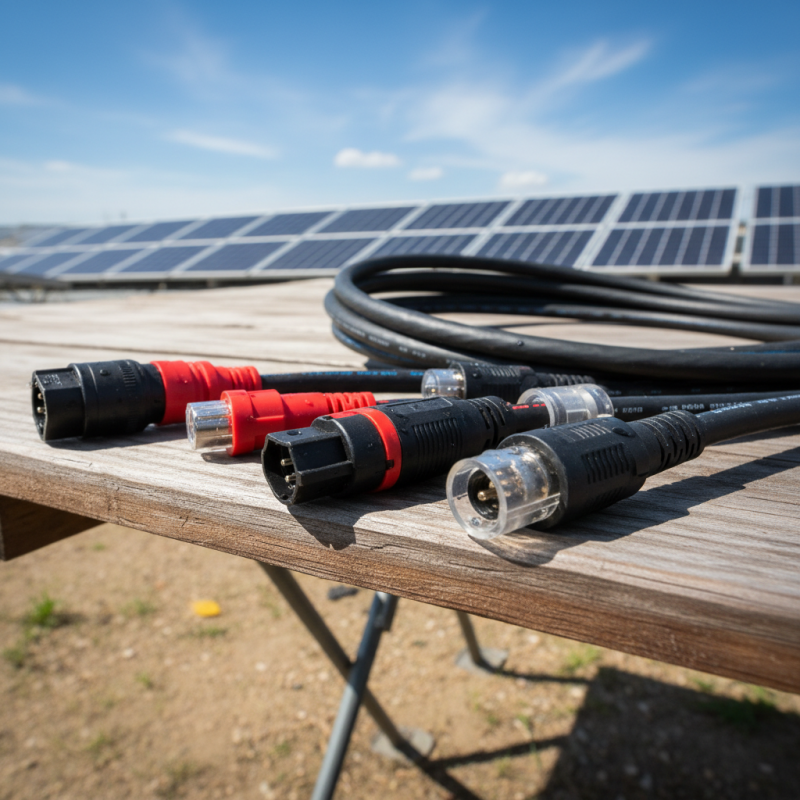
PV connectors play a crucial role in solar projects. They ensure efficient and safe connections between solar panels and electrical systems. According to a report by the International Renewable Energy Agency (IRENA), poor-quality connectors can lead to significant energy losses, reducing overall system efficiency by up to 10%. Selecting high-quality connectors is essential for maximizing energy output.
Understanding the types of PV connectors is vital. The most common types include MC4 and Tyco connectors. MC4 connectors are designed for flexibility and durability. However, they may be prone to wear over time, impacting performance. Tyco connectors, on the other hand, offer robustness, yet they can be more challenging to install. The choice largely depends on specific project needs and environmental conditions. A study from the National Renewable Energy Laboratory (NREL) indicates that connectors that meet industry standards can significantly enhance longevity and reliability in a solar system.
It is essential to consider installation requirements. Some connectors require specific tools for proper installation. Rushing this process can lead to poor connections and potential safety hazards. Experts suggest that proper training and familiarization with each connector type can mitigate risks. Understanding these factors ensures a more reliable and efficient solar installation.
Key Factors to Consider When Selecting PV Connectors
Selecting the right PV connector is crucial for solar projects. One critical factor is the connector's compatibility with the solar panels and system specifications. Ensure the connectors fit well with the panels’ terminals. A perfect match reduces the risk of failure and maximizes efficiency.
Another important consideration is the environmental rating. PV connectors face various conditions, including moisture and UV exposure. Choosing connectors with high ratings for water and dust resistance can increase longevity and reliability. Additionally, connectors should withstand temperature fluctuations.
The wiring gauge and current rating matter too. Ensure the connectors can handle the expected current without overheating. This aspect often gets overlooked, but it is vital for safe operation. Reflecting on these factors will lead to better decision-making in your solar project. Always consult industry guidelines to ensure your choices meet safety standards.
How to Choose the Best PV Connector for Your Solar Project? - Key Factors to Consider When Selecting PV Connectors
| Factor | Description | Recommended Standard | Typical Rating |
| Current Rating | The maximum continuous current the connector can handle without overheating. | IEC 62852 | 20A to 50A |
| Voltage Rating | The maximum voltage the connector can safely carry. | IEC 62852 | 600V to 1500V |
| Mechanical Design | Consideration of how connectors lock together, ease of use and installation. | N/A | Snap-in, screw-type, etc. |
| Environmental Ratings | Protection against dust, moisture, and UV radiation. | IP67, UV resistant | Yes/No |
| Temperature Range | The operational temperature range the connector can withstand without failure. | IEC 62852 | -40°C to +85°C |
Types of PV Connectors and Their Suitability for Different Systems
Selecting the right photovoltaic (PV) connector is crucial for the success of any solar project. Not all connectors are created equal. For example, MC4 connectors are widely used due to their weather resistance and ease of installation. These connectors are suitable for most residential and commercial solar systems. They have a rated current of up to 30A, making them reliable for various configurations.
However, different systems may require different types of connectors. T4 connectors, though less common, can offer enhanced performance in specific environments. They excel under high voltage and extreme temperatures, which makes them ideal for large-scale solar installations. A recent industry report stated that improperly selected connectors can lead to a 10-15% drop in energy efficiency. This highlights the importance of thorough research when choosing connectors.
Moreover, standardization and certification play significant roles in connector selection. Connectors that meet international safety standards ensure reliability and reduce the risk of failure. It is essential for project managers to understand their system's specific requirements. This consideration may reveal that a well-chosen connector could improve longevity and performance. Proper attention to these details can prevent costly setbacks down the line.
Evaluating Connector Quality: Standards and Certifications to Look For
When choosing PV connectors for solar projects, evaluating their quality is critical. Key standards and certifications can guide this process. Look for connectors that comply with international standards such as IEC and UL. These certifications ensure that connectors meet rigorous durability and safety requirements.
In addition to certifications, consider the environmental ratings of the connectors. They should be resistant to UV rays, moisture, and temperature fluctuations. This resistance extends the lifespan of your solar installation. However, not all connectors advertise their environmental ratings clearly. It's important to verify these claims through third-party testing.
Connections in solar setups often face stress from expansion and contraction. This can lead to failure if the connectors are not up to standard. Reliable connectors should demonstrate flexibility under extreme conditions. Engaging with industry reports or forums might reveal real-world experiences. Sometimes, users report unexpected failures. Understanding these nuances can help you make an informed decision.
Installation and Maintenance Tips for Optimal Connector Performance
Connecting PV modules effectively is crucial for any solar project. Proper installation can prevent performance loss and ensure safety. According to a report from the National Renewable Energy Laboratory, improper connector installation can decrease energy output by up to 20%. Using high-quality connectors is just not enough; how they are installed matters significantly.
When using PV connectors, ensure all connections are tight and secure. Loose connections can lead to arcing and overheating. Regular maintenance checks should become routine. Inspections every six months are recommended. Look for signs of wear or corrosion. These factors can drastically reduce the lifespan of connectors. Over time, environmental conditions, such as humidity and temperature changes, can further contribute to connector degradation.
Moreover, training staff on best practices is essential but often overlooked. A poorly trained team may rush installation, leading to mistakes. A study from the Solar Power World indicates that nearly 30% of solar installers reported issues related to improper connector handling. Thorough education can mitigate these risks and enhance overall project reliability. Regular!
Engaging with professionals for a review of installation procedures can also add value. This habit can uncover potential problems before they escalate. Recognizing the importance of optimal installation and maintenance practices guarantees better performance in solar energy systems.