How to Choose the Best Lorry Mechanic Tools?
Choosing Lorry Mechanic Tools is about more than filling a toolbox. A roadside repair may demand a different setup from a workshop service bay. The right ratchet, torque wrench, diagnostic scanner, and lifting equipment can save time. Poor choices can add frustration and create avoidable risks. Small details matter.
The U.S. Bureau of Labor Statistics reported a median annual wage of $60,640 for diesel service technicians and mechanics in May 2023. Its Occupational Outlook Handbook also describes work on trucks and buses as involving inspection, diagnosis, and repair. That context makes durability, accuracy, and fit-for-task important selection criteria. A polished tool set is not automatically a useful one. Weight, grip, storage, and access to replacement parts matter on a busy shift.
This guide will compare Lorry Mechanic Tools by task, build quality, compatibility, and value over time. It will also consider the realities of working beside a large vehicle: cramped access, dirty hands, and tools that must be found quickly. One limitation deserves honesty. No source articles or verifiable expert quotation were supplied, so I will not invent a named expert or attribute an unsourced quote. That matters. A trustworthy buying guide should distinguish documented evidence from shop-floor opinion.
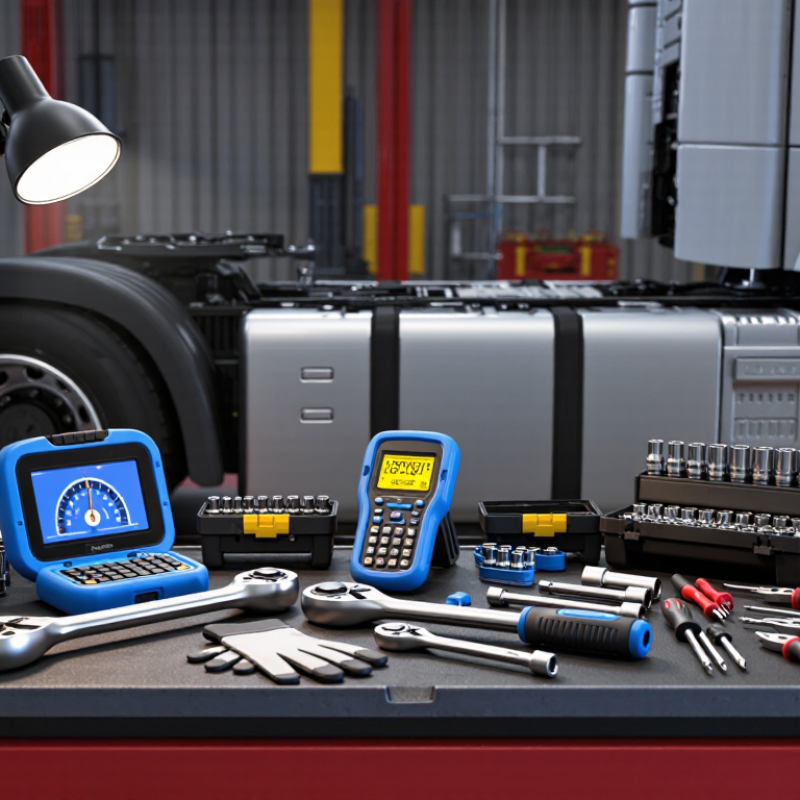
Assess the Lorry Repairs and Systems the Tools Must Support
How to Choose the Best Lorry Mechanic Tools?
Assess the Lorry Repairs and Systems the Tools Must Support
Start with the work. List the repairs your workshop handles most often, such as brake servicing, steering checks, suspension repairs, or engine diagnostics. A lorry’s air brakes need different test equipment from its electrical system. For example, pressure gauges help assess air circuits, while a quality multimeter can trace voltage drops and poor connections. Match each tool to a specific task, not just a general category.
Consider the range of vehicles you service. Some diagnostic tools may not communicate with every lorry model or system, so check compatibility before buying. For routine mechanical work, confirm that sockets, extensions, and torque wrenches suit the fasteners and torque ranges you encounter. Heavy components also require appropriately rated lifting and support equipment. That matters. A tool that fits the job but cannot safely handle its load is not a useful choice.
Look at how tools perform in real workshop conditions. Can technicians read the display under poor lighting? Are replacement parts, calibration, and repair support available? Keep a record of recurring faults and jobs that take too long; it can reveal gaps in your equipment better than a broad shopping list. Not every purchase will prove worthwhile. Review the kit after several months, and be willing to adjust it.
Identify Essential Hand Tools, Diagnostic Equipment, and Lifting Gear
Choosing lorry mechanic tools starts with the work you actually perform. A dependable socket set, combination spanners, screwdrivers, and pliers cover many routine repairs. Add extensions and a breaker bar for awkward fasteners, but use the correct size to avoid rounding them. A calibrated torque wrench matters when refitting wheels or other specified fasteners. Guessing by feel is tempting. It is not reliable.
Diagnostic equipment should help confirm a fault, not encourage parts swapping. A multimeter can check voltage, resistance, and continuity; a compatible scan tool can read vehicle fault codes and live data. Pressure gauges are useful for relevant fuel, air, or hydraulic checks. Compare readings with current service information, and verify a code before replacing a component. One confusing reading can send a repair in the wrong direction.
Lifting gear deserves careful attention. Choose a jack and rated axle stands suited to the vehicle’s weight and approved lifting points. Work on firm, level ground, secure the wheels, and never rely on a jack alone. Inspect stands, pads, and handles for damage before use. The right setup takes extra minutes. That can feel inconvenient, especially during a busy shift, but rushing this check is a poor trade. Keep tools clean and organized; a missing socket can waste more time than expected.
Check Tool Quality, Vehicle Compatibility, and Safety Standards
A lorry mechanic’s tools must withstand repeated force, dirt, and long hours. Look for clean joints, sturdy handles, and clear size markings. A socket that slips on a rusty wheel nut can round its edges and waste valuable time. For torque wrenches, check the range and calibration guidance, not just the price. Small details matter.
Compatibility is just as important. Compare socket sizes, drive types, and tool clearances with the vehicle’s service information. A long handle may provide leverage but fail to fit between a wheel and suspension part. Confirm that lifting and support equipment is rated for the vehicle’s weight. Read tool instructions and check relevant safety markings. Inspect equipment before each job for cracks, loose heads, or worn grips. Honestly, it is tempting to keep using a familiar tool past its best; that habit deserves a second look.
Tips: Keep a short checklist near the workbench. Match each tool to the vehicle, inspect it, and replace damaged items. Wear suitable eye protection and gloves, and secure the lorry before working beneath it. Don’t guess.
Compare Durability, Storage Needs, and Long-Term Cost
Choosing lorry mechanic tools is a lifecycle decision, not a search for the lowest shelf price. A sturdy socket set should tolerate repeated high-torque use, but durability also depends on correct sizing, clean threads, and controlled storage. Inspect ratchets for smooth engagement and sockets for rounded edges. Small failures matter. A slipped socket can damage a fastener and waste workshop time.
Storage affects both tool life and daily workflow. A drawer with fitted trays keeps heavy sockets from knocking together, while a lockable cabinet reduces loss in shared bays. Check the loaded weight and drawer capacity before buying; a mobile chest that is difficult to move may sit unused. The U.S. National Institute for Occupational Safety and Health emphasizes practical workplace organization as part of safer work practices, though it does not prescribe one ideal toolbox. The detail is easy to miss.
Long-term cost deserves equal attention. ATRI’s 2023 An Analysis of the Operational Costs of Trucking reported that repair and maintenance costs rose 18.5% in 2022, reaching 20.3 cents per mile. That figure covers fleet operating costs, not tool prices, but it shows why avoidable downtime is expensive. Compare warranty terms, replaceable parts, and repair options alongside purchase price. Record which tools fail, and when. The record may be messy at first, but it can reveal whether paying more for a durable tool actually reduces replacement and downtime costs.
Build and Maintain a Task-Based Lorry Mechanic Toolkit
Build the toolkit around jobs performed, not a crowded drawer of rarely used tools. For routine servicing, group metric sockets, combination spanners, pliers, screwdrivers, and a calibrated torque wrench together. Keep electrical testing gear and vehicle-specific diagnostic equipment in separate, clearly marked cases. A small tray for fasteners helps prevent dropped bolts from disappearing beneath a chassis. It sounds basic, but it saves time.
For fault-finding, choose a multimeter, suitable test leads, and diagnostic equipment that matches the lorry’s systems. Add an air-pressure gauge and brake-service tools when those tasks are part of the workshop’s work. The U.S. Bureau of Labor Statistics projects 3% employment growth for diesel service technicians and mechanics from 2023 to 2033, with about 28,500 openings annually. That outlook supports investing in adaptable skills and equipment, rather than buying every specialist tool at once.
Set a maintenance routine for the toolkit itself. Check torque-wrench calibration against the manufacturer’s schedule, inspect leads for damaged insulation, and replace sockets with rounded edges. OSHA’s hand and power tool guidance also recommends inspecting tools before use and removing defective ones from service. A paper checklist works. It can still be missed on a rushed shift, so assign checks to a person and record the date. BLS reported a May 2023 median annual wage of $60,640 for diesel service technicians and mechanics; reliable tools protect the quality of skilled work.