How to Choose the Best Alexandrite Laser Machine for Your Clinic?
Choosing the best Alexandrite Laser Machine for your clinic can be a pivotal decision. The demand for effective hair removal and skin treatments using lasers has surged. According to recent industry reports, the global laser aesthetics market is projected to reach $10 billion by 2025. This growth highlights the importance of investing in high-quality equipment.
When selecting an Alexandrite Laser Machine, consider factors like treatment versatility and downtime. Alexandrite lasers are known for their speed and effectiveness on a variety of skin types. Yet, not all machines offer the same features or results. It’s vital to understand your clinic's specific needs and the demographics of your clients.
As you navigate the options available, take time to reflect on your clinic's goals. Have you assessed the training and support you will need? Each machine will have its strengths and weaknesses. By weighing these aspects, you can make an informed decision that enhances your clinic's services and boosts client satisfaction.
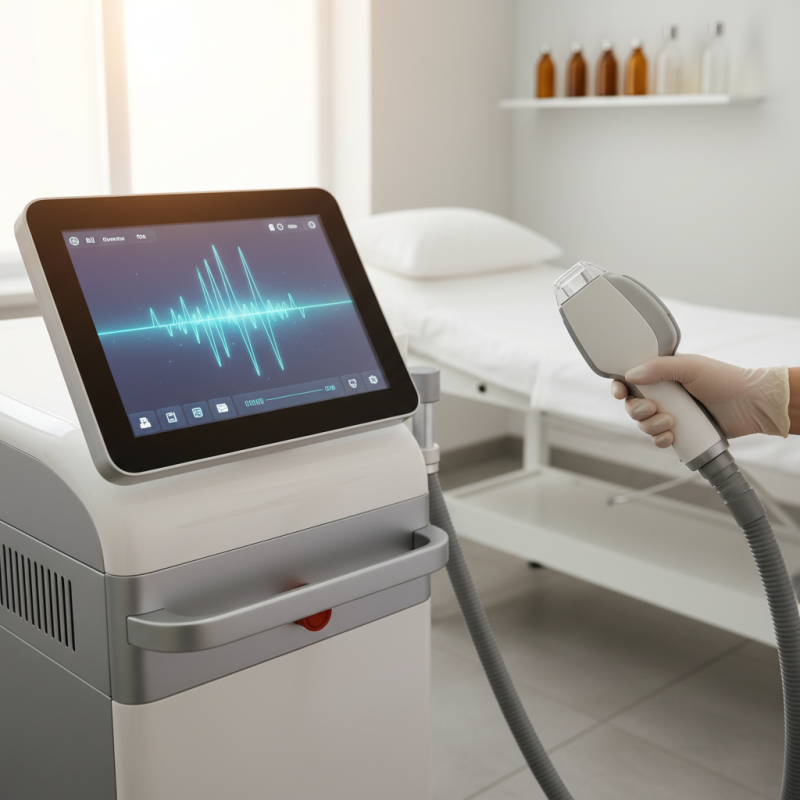
Understanding Alexandrite Laser Technology and Its Applications
Alexandrite laser technology has gained traction in various medical and cosmetic applications. This laser operates at a wavelength of 755 nm, which allows for effective treatment across skin types. According to a report by the American Society for Aesthetic Plastic Surgery, over 1 million laser hair removal procedures were performed in the U.S. in 2022 alone. This reflects a growing trust in laser treatments, highlighting the importance of understanding the underlying technology.
The versatility of Alexandrite lasers extends beyond hair removal. They are used for treating pigmentation, vascular lesions, and even tattoo removal. Recent studies indicate a significant improvement in patient satisfaction, with up to 85% of users reporting positive outcomes. However, not all machines perform equally. Factors such as pulse duration, energy output, and cooling mechanisms can drastically affect treatment efficacy and patient comfort. It’s crucial to critically assess these features while selecting a device.
While Alexandrite technology offers many benefits, potential drawbacks must also be considered. For example, skin types that produce more melanin may be at higher risk for complications. This emphasizes the need for skilled practitioners who can tailor treatments to individual needs. The decision to invest in an Alexandrite laser should not be taken lightly. Ensure careful evaluation of clinical needs and treatment goals before making any choices.
Key Features to Consider When Selecting an Alexandrite Laser Machine
Choosing an Alexandrite laser machine involves more than just the price. Consider the machine's versatility. It should effectively treat various skin types and concerns. This adaptability is essential for clinics that cater to diverse clients. Look for machines that offer multiple wavelengths. The flexibility will enhance treatment options.
Think about the cooling system. Efficient cooling reduces patients' discomfort during procedures. It can also improve treatment outcomes. Review the pulse duration settings as well. Different conditions require varying pulse lengths. Customizable settings can lead to better results and improved patient satisfaction.
Don't overlook the machine's maintenance requirements. Regular upkeep is vital for reliable performance. Check for the availability of certified technicians for repairs. Lastly, consider the warranty and support services. A solid warranty can reflect the manufacturer's confidence in their product. It also ensures peace of mind for your clinic. Balancing these features can guide you in making the right choice for your practice.
Evaluating the Cost and Return on Investment for Your Clinic
When selecting an Alexandrite laser machine, understanding its financial implications is crucial. Many clinics see an average ROI of 30% within the first year of operation. This figure can fluctuate based on various factors. Location, target demographics, and operational costs are all significant. For instance, clinics in urban areas may offer higher treatment volumes, impacting overall ROI positively.
A typical Alexandrite laser machine costs between $60,000 to $150,000. Beyond the initial purchase, maintenance and operational expenses should be factored in. Regular maintenance may account for up to 15% of total costs annually. Additionally, quality training for staff can enhance treatment efficacy. Clinics investing in training typically report fewer complications and improved client satisfaction, enhancing long-term revenue.
Not every clinic will experience the same financial success. Some practices see slower adoption rates. The need for marketing and patient education can further influence this. Data shows that clinics investing in marketing see a 25% increase in patient inquiries. Thus, evaluating both direct and indirect costs is vital. Balancing these elements will ensure the best financial decision for your clinic's Alexandrite laser machine.
Cost and Return on Investment for Alexandrite Laser Machines
This bar chart compares the costs and annual revenues of different Alexandrite laser machines. By analyzing this data, clinics can evaluate the return on investment for each machine option.
Assessing Manufacturer Reputation and Warranty Options
When selecting an Alexandrite laser machine for your clinic, evaluating the manufacturer’s reputation is crucial. A well-established manufacturer typically offers reliable machinery with proven performance. Look for reviews and testimonials from other clinics. These insights provide a glimpse into product quality and customer satisfaction.
Warranty options are equally important. A robust warranty indicates that the manufacturer stands by their product. It also protects your investment. Understand what the warranty covers. Does it include parts, labor, or maintenance? Lengthy warranties often reflect confidence in the product's durability.
Choosing a machine with a short warranty may lead to unexpected costs. It’s essential to weigh these factors carefully. Sometimes, a lower-priced machine may come with less support. This could affect your clinic’s operations in the long run. Make informed decisions based on thorough research and clear, transparent communication with the manufacturer.
Ensuring Compliance with Safety Standards and Regulations
When selecting an Alexandrite laser machine for your clinic, ensuring compliance with safety standards is crucial. The FDA mandates specific guidelines for laser equipment, emphasizing employee training and proper usage protocols. According to a 2021 report by the American Society for Laser Medicine and Surgery, adhering to these standards can reduce incident rates by nearly 30%. Neglecting regulations can result in serious health risks for both staff and patients.
Tips for maintaining compliance include conducting regular safety audits. These audits help identify potential hazards and ensure equipment is in optimal condition. Encourage your staff to participate in safety training programs. Education promotes awareness and fosters a culture of safety. Remember, even minor oversights in safety protocols can lead to significant legal ramifications.
Another critical aspect is understanding the certifications of the machine. Look for devices with International Electrotechnical Commission (IEC) certification, indicating they meet international safety standards. An improperly certified machine can expose your clinic to legal risks. The focus should always be on high-quality equipment that guarantees patient safety, as well as operational safety. Regular reviews of safety protocols are essential to reflect any changes in regulations or technology.
How to Choose the Best Alexandrite Laser Machine for Your Clinic? - Ensuring Compliance with Safety Standards and Regulations
| Feature | Importance | Compliance Standard | Considerations |
| Wavelength | Critical for effective treatment | FDA Approved | Ensure appropriate wavelength for skin types |
| Pulse Duration | Affects efficacy and safety | IEC Standards | Tailor to skin condition |
| Cooling Mechanism | Enhances patient comfort | ISO Safety Standards | Check for effectiveness |
| Portability | Ease of use in different settings | Regulatory Compliance | Facilities planning and layout |
| User Interface | Impact on treatment efficiency | N/A | User training requirements |