2026 How to Choose Plastic CNC Machining for Your Projects?
In the world of manufacturing, choosing the right processes can be daunting. Many project leaders consider plastic CNC machining due to its versatility and precision. Expert John Smith, a leader in the CNC processing industry, emphasizes, “The quality of your project often relies on effective machining choices.” His insights shed light on how important the right selection is.
Plastic CNC machining offers numerous advantages. It can create complex shapes with great accuracy. This method is popular in various sectors, including automotive and medical. However, one must also consider the potential pitfalls. The material's limitations may affect project outcomes. Sometimes, the cost can surpass initial budgets.
Evaluating plastic CNC machining requires understanding both its benefits and its drawbacks. Many companies rush into decisions, leading to regret later. Embracing a thorough analysis can prevent unnecessary waste. Careful planning ensures that projects meet expectations without overspending. Taking time to reflect on available options often yields the best results.
Understanding Plastic CNC Machining: Key Concepts and Applications
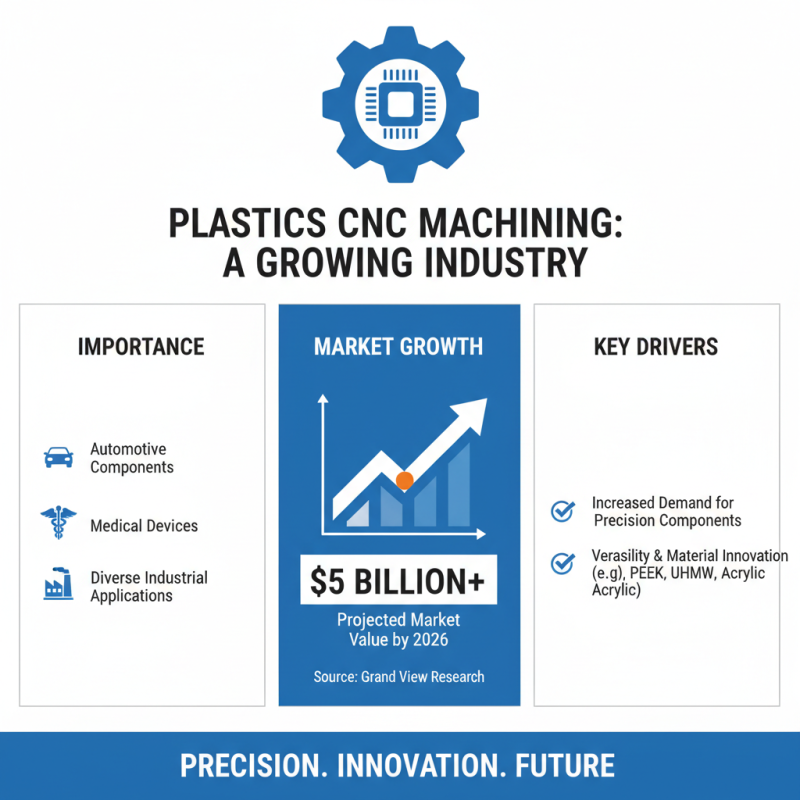
Plastic CNC machining is vital in many industries today. Its applications range from automotive to medical devices. According to a recent report by Grand View Research, the plastic machining market is projected to grow significantly, reaching over $5 billion by 2026. This rapid growth indicates a strong demand for precision components made from various plastics.
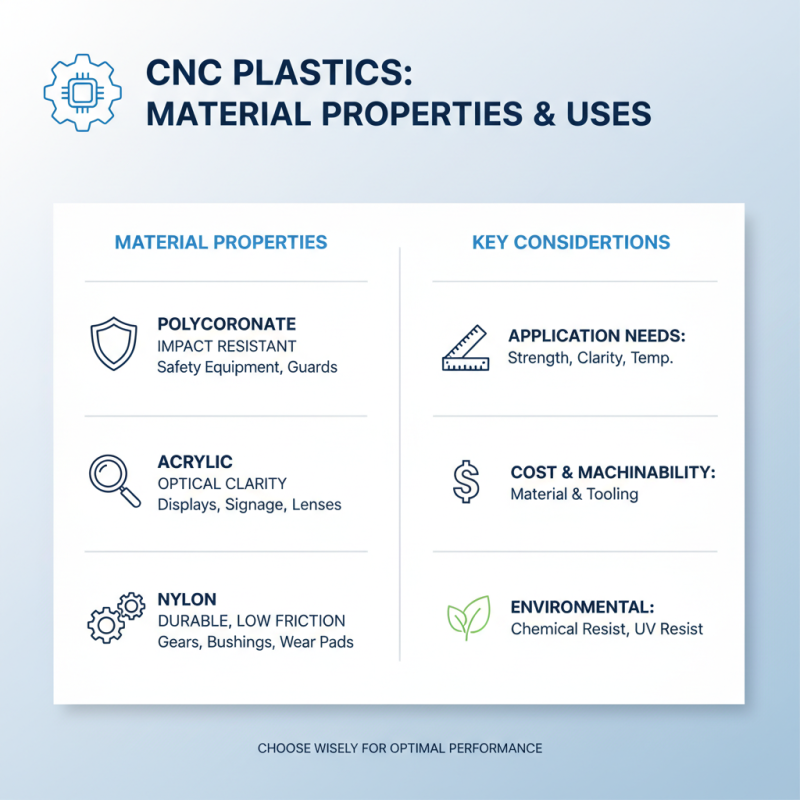
Understanding the key concepts of plastic CNC machining is crucial for project success. The primary materials used include acrylic, nylon, and polycarbonate. Each material has unique properties; for instance, acrylic is lightweight and offers excellent optical clarity. In contrast, nylon is recognized for its durability and resistance to wear. However, choosing the wrong plastic can lead to costly mistakes. For instance, using acrylic in high-stress applications can result in breakage.
Attention to detail is essential in the machining process. Temperature control and cutting speeds can affect the final product quality. Operators must constantly adjust settings to ensure optimal results. Additionally, while many assume CNC machining offers a perfect solution, imperfections can still arise. Minor burrs or surface flaws often require secondary finishing or polishing. Being mindful of these aspects can prevent setbacks and enhance the overall quality of projects.
Evaluating Your Project Requirements for Plastic CNC Machining
When considering plastic CNC machining, evaluating your project requirements is essential. Begin by understanding the type of plastic you need. Different plastics have varied properties, such as strength and temperature resistance. Knowing these specifics can make a significant difference in your results.
Tip: Always test a small sample first. It helps to prevent costly mistakes later. Another important aspect is the complexity of your design. Intricate designs may require advanced machinery, while simpler parts may not.
Consider the tolerances necessary for your project. Tight tolerances can lead to higher costs and longer lead times. Reflect on how crucial precision is for your application. At times, you may need to compromise on some features to remain within budget or timeline.
Tip: Keep communication open with your CNC provider. Clarify any doubts about your requirements. This might save you from unexpected challenges during production. Evaluating these elements will guide you toward successful outcomes in your plastic machining projects.
Evaluation of Project Requirements for Plastic CNC Machining
Selecting the Right Type of Plastic for CNC Machining Needs
When selecting the right type of plastic for CNC machining, it's essential to understand the material properties. Different plastics serve different functions. For instance, polycarbonate is known for its impact resistance, making it ideal for safety equipment. On the other hand, acrylic offers excellent optical clarity, suitable for displays and signage.
Consider the environmental conditions the final product will face. If the part will experience extreme temperatures, materials like PEEK or PTFE might be more suitable. Reports indicate that 63% of manufacturers prioritize heat resistance in their plastic choices. This trend emphasizes the need to select materials based on specific project requirements.
Tip: Always test small samples of your chosen plastic before full-scale production. This helps in identifying any unexpected issues.
Density and weight also matter. Lightweight plastics can reduce shipping costs. However, some projects may require heavier, more durable options. It's a balance that demands careful consideration. Keep in mind that while high-performance plastics often come at a premium, choosing the wrong material can lead to costly mistakes down the line.
Tip: Consult with experienced engineers to refine your material selection process. Having expert input can lead to better outcomes.
Assessing Machinery and Technology for Effective CNC Plastic Machining
When selecting machinery for CNC plastic machining, it’s crucial to consider both the technology and the equipment involved. Precision is key in this field. Look for machines capable of handling various plastic materials, including acrylics and polycarbonates. Choose a CNC machine that offers versatility in speed and cutting capabilities. This will help you achieve a broad range of complex designs.
Understanding the limitations of your chosen technology is important. Not all CNC machines are suitable for every type of plastic. Some machines may struggle with softer plastics. This could lead to uneven cuts or excess material removal. Practical experience with different setups can yield valuable insights into how machine parameters affect finished products. Reflecting on past projects can guide future decisions.
Invest time in evaluating the software used alongside machining equipment. Compatibility and user-friendliness can significantly impact productivity. Choose software that offers robust simulations to minimize errors before cutting begins. Remember, learning from previous mistakes is essential. Engaging with the CNC machining community can provide additional support and ideas for optimizing your workflow.
2026 How to Choose Plastic CNC Machining for Your Projects? - Assessing Machinery and Technology for Effective CNC Plastic Machining
| Criteria |
Description |
Importance (1-5) |
Material Compatibility |
| Machinery Type |
Different types of CNC machines (e.g., milling, turning) affect the precision and capabilities. |
4 |
Acrylic, Polycarbonate |
| Technology Features |
Advanced features like 5-axis capabilities, automated tool changers can enhance efficiency. |
5 |
Nylon, PVC |
| Precision Level |
Required precision for the project, measured in tolerances. |
5 |
Polypropylene, Acetal |
| Cost Efficiency |
Balancing quality and cost to find the best overall value. |
4 |
PETG, PMMA |
| Lead Time |
Time required for machining and delivery; crucial for project timelines. |
3 |
ABS, PEEK |
Cost Considerations and Budgeting for Plastic CNC Machining Projects
When budgeting for plastic CNC machining, consider material costs. Different plastics have varying prices. For example, acrylic is generally cheaper than polycarbonate. Knowing the type of plastic you need can save money. Always ask for quotes from multiple suppliers. It helps identify price differences. Dipping into the details here can lead to better decisions.
Labor costs can fluctuate based on complexity. Some designs take longer to machine. Evaluate the time required for your project. Always factor in potential delays. Unexpected issues can arise in CNC machining. A seemingly simple project can become expensive quickly. Be prepared to adjust your budget accordingly.
Shipping costs may also impact your total spending. If your supplier is far away, the costs rise. Consider local options, as they can cut shipping fees. Review all aspects of the project. Minor details today can become major costs tomorrow. Ensure every aspect aligns with your budget to avoid unpleasant surprises.